
News
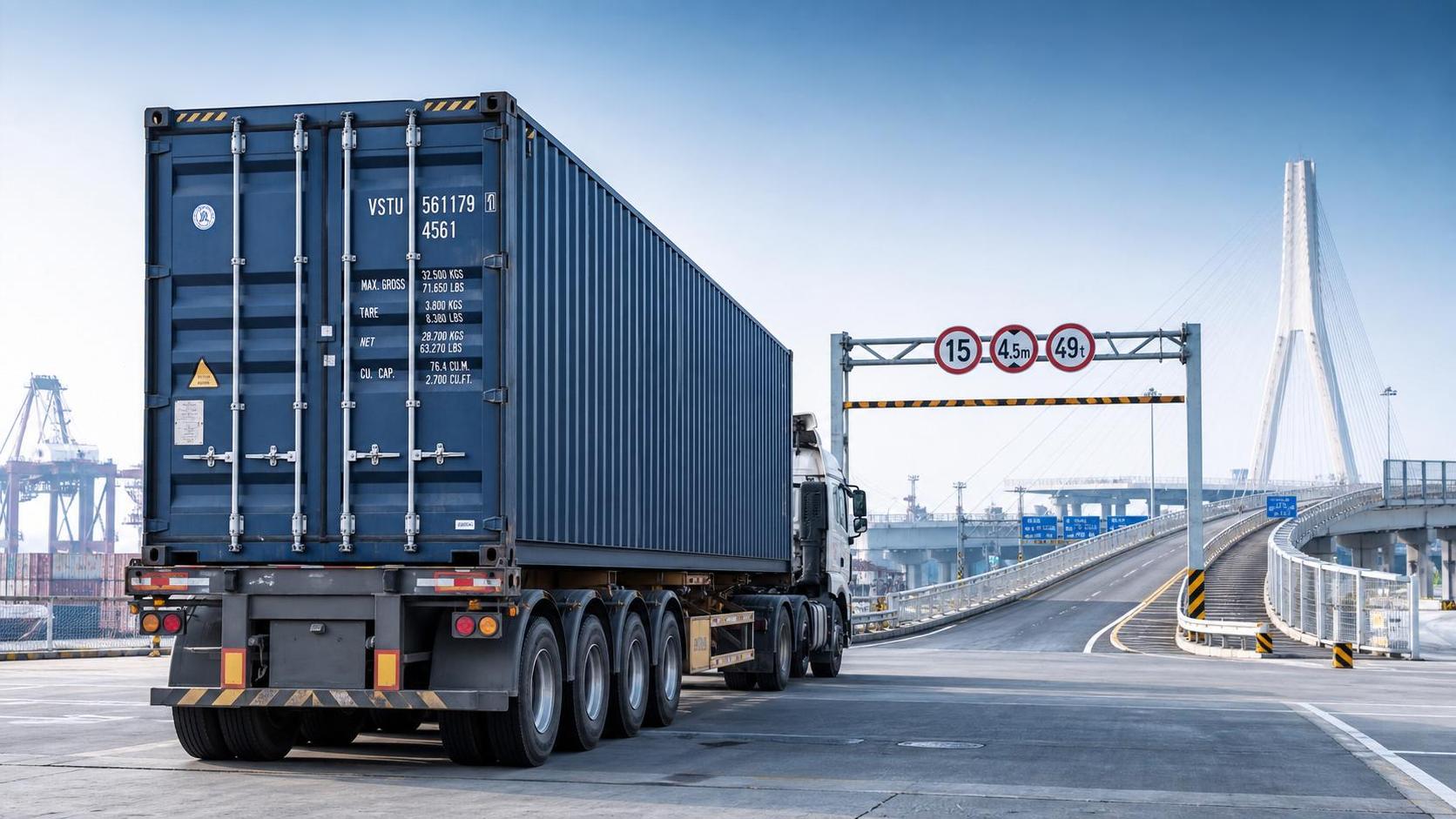
Skeleton Container Semi-Trailer load control is not just a legal checkbox. It shapes cargo safety, route access, equipment life, and delivery reliability across container transport operations.
When weight is uneven, or when route limits are misunderstood, the risks appear quickly. Tire stress rises, braking distance changes, frame fatigue accelerates, and port or highway inspections can stop a trip before it begins.
That is why load limits and route risks deserve closer attention in engineering vehicle logistics. A Skeleton (Container) Semi-Trailer must match the container, tractor, road class, and operating environment as one system.
In practical export and fleet planning, this becomes even more relevant. Companies with stable supply capability, technical support, and full-process delivery coordination can help reduce avoidable mismatches before equipment reaches the job route.
What load limits really mean in daily operation
A Skeleton (Container) Semi-Trailer is designed to carry standardized containers, not just raw tonnage. The true limit depends on trailer structure, axle layout, kingpin load, suspension design, tire rating, and local road law.
In other words, the published payload figure is only a starting point. Safe loading also depends on how the container weight sits over each axle group and how that weight transfers during braking or turning.
A 20-foot loaded container can create a different balance pattern from a 40-foot or 45-foot container. The same Skeleton Container Semi-Trailer may stay within gross weight limits but still exceed a local axle threshold.
This distinction matters because most transport incidents tied to load are not caused by total weight alone. They are caused by distribution, restraint quality, or route conditions that were underestimated.
The main variables behind legal and safe loading
- Trailer tare weight, which affects available payload.
- Number of axles and spacing between them.
- Container size, center of gravity, and cargo density.
- Tractor head specifications and fifth-wheel load share.
- Tire load index, suspension type, and brake performance.
- National or regional bridge formula rules and road restrictions.
Why route risk is becoming a bigger issue
Container transport is moving through more complex corridors than before. Ports, bonded yards, mining roads, industrial parks, urban bypasses, and cross-border highways often apply different control standards.
A route that looks acceptable on distance alone may still create operational risk. Narrow curves, steep ramps, weak bridges, low overhead clearances, and seasonal pavement damage can change the real carrying envelope.
For a Skeleton (Container) Semi-Trailer, route risk is closely linked to container stability. Crosswinds, emergency lane changes, soft shoulders, and sudden elevation transitions can amplify sway and torsional stress.
Inspection intensity is another factor. Some corridors are highly sensitive to overloaded axle groups, missing documents, or non-compliant dimensions. Delays, fines, forced unloading, and detention costs can quickly erase freight margin.
Typical route hazards that deserve pre-dispatch review
Where loading mistakes usually begin
Many issues start before the trailer leaves the yard. The container may be legal for maritime shipment, yet poorly suited to the selected road chassis or the planned inland route.
A common mistake is treating all containerized loads as equivalent. Dense cargo such as metal products, stone materials, or machinery parts can push axle concentration beyond safe levels even inside a standard box.
Another problem appears when lock positions, landing gear clearance, or frame length do not align well with the container type. That creates instability, poor load transfer, and unnecessary structural stress during acceleration and braking.
The Skeleton Container Semi-Trailer should also be reviewed together with tractor matching. If the tractor is underpowered, badly balanced, or fitted with unsuitable tires, the whole combination becomes less predictable on difficult routes.
Warning signs before dispatch
- Visible rear-heavy or front-heavy stance after loading.
- Twist lock engagement that feels uneven or incomplete.
- Tire sidewall compression beyond normal working appearance.
- Estimated axle values based on guesswork rather than weighing.
- Route approval based only on prior experience, not current road status.
How to assess a Skeleton (Container) Semi-Trailer more effectively
A useful assessment method combines hardware review, document review, and route review. Looking at one side alone often misses the source of risk.
Start with the trailer itself. Check rated payload, axle specification, suspension condition, brake readiness, tire compliance, and lock integrity. Then compare those values with the actual container and the expected road profile.
Next, verify whether local limits are based on gross combination mass, single axle, tandem axle, length, or bridge formula. Different jurisdictions can approve the same vehicle under very different conditions.
It is also worth reviewing maintenance records. Repeated overload history often appears as cracked welds, uneven tire wear, distorted cross members, or declining brake consistency.
A practical review framework
The business value of getting it right
Better control of Skeleton (Container) Semi-Trailer load limits improves more than safety. It helps preserve delivery schedules, reduce roadside intervention, and protect the service life of both tractor and trailer assets.
For international trade operations, consistency matters even more. Equipment selection, documentation, customs timing, and inland logistics need to work together, especially when containers move across multiple control points.
This is where experienced commercial vehicle supply support can make a practical difference. Shandong Livol Truck International Trade Co., Ltd. works with FOTON, SHACMAN, and SINOTRUK resources, along with domestic and overseas dealership support.
That background helps when buyers need stable inventory, chassis matching, export documentation, customization, and logistics coordination rather than a simple unit transaction. In container transport, those details often decide whether the trailer fits the real route.
What to review before the next container movement
Before dispatching a loaded Skeleton Container Semi-Trailer, it is worth building a short decision routine. The goal is not more paperwork. The goal is fewer surprises on the road.
- Confirm actual container weight, not only declared cargo weight.
- Check axle distribution with a reliable weighing process.
- Match trailer configuration to container length and density.
- Review route restrictions, seasonal conditions, and inspection points.
- Verify locks, brakes, tires, and maintenance status before release.
- Align tractor choice with terrain, gross mass, and stopping demand.
A well-selected Skeleton (Container) Semi-Trailer should make route compliance easier, not harder. When load limits, road risks, and equipment matching are reviewed together, container transport becomes more predictable and more defensible in daily operation.
The next useful step is to compare current trailer specifications against actual route profiles and container patterns. That simple review often reveals whether the existing setup is adequate, underutilized, or carrying hidden risk.
Search Starts Here