
News
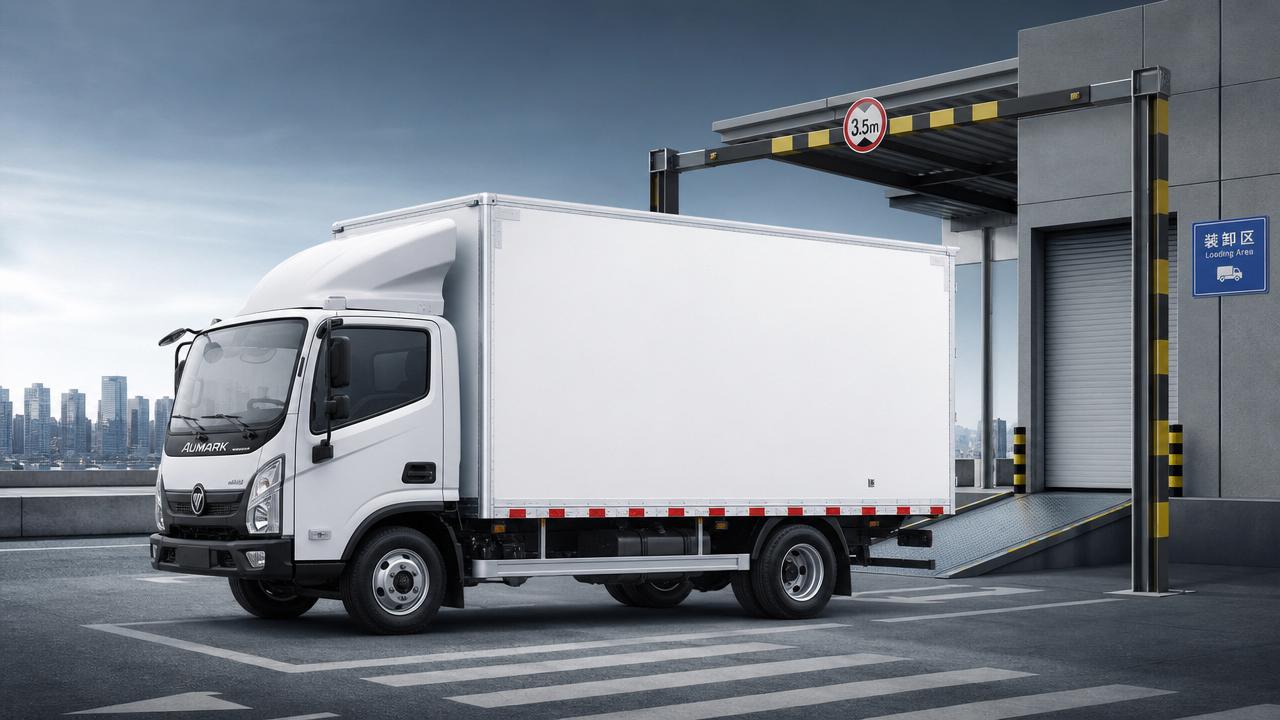
Before investing in a 4_2 Cargo Truck for urban delivery, operators need to look beyond price and focus on payload, maneuverability, fuel efficiency, maintenance support and compliance with local road limits. The right truck can improve delivery speed, reduce operating costs and handle daily city routes more reliably. This guide explains the key points to check so you can choose a practical and durable vehicle for demanding urban transport tasks.
For most operators, the best urban truck is not the biggest or cheapest one. It is the truck that fits city roads, carries enough legal payload, turns easily in tight streets, loads and unloads efficiently, and stays on the road with minimal downtime. If a truck looks attractive on paper but struggles with turning radius, service support or local compliance, it can quickly become an expensive problem.
What urban delivery operators are really trying to avoid
When people search for advice before buying a 4_2 Cargo Truck, they usually want to avoid making a costly mistake. They are not only comparing brands. They want to know whether a truck will work well in actual city conditions: narrow roads, frequent stops, loading dock pressure, traffic restrictions and high daily mileage.
The main worries are practical. Will the truck carry enough cargo without exceeding legal weight? Can it enter busy urban zones or low-clearance streets? Is the cab comfortable enough for long stop-and-go routes? Will fuel consumption stay under control? Can parts and service be found quickly if something fails?
That means the most useful buying guide should focus less on marketing claims and more on daily operating reality. For an end user or operator, the right decision comes from matching the truck to route conditions, cargo type, legal limits and maintenance resources.
Start with payload, body size and real delivery needs
The first thing to check before buying a 4_2 Cargo Truck is whether its carrying capacity truly matches your delivery task. Many buyers focus on engine power or selling price first, but payload and cargo body dimensions usually affect profitability more directly in urban delivery.
Look at the goods you move every day. Are they heavy, light, bulky, palletized, boxed, refrigerated or mixed? A truck used for beverages, hardware or packaged food may need stronger payload support. A truck used for e-commerce parcels may need larger cargo volume more than high tonnage.
Do not rely only on the advertised gross vehicle weight. Check the curb weight, legal payload, cargo box dimensions and axle rating. A truck may seem large enough, but if the body is oversized relative to chassis capacity, you risk poor balance, overloading and higher wear on tires and suspension.
Urban delivery often involves repeated loading and unloading. That means body design matters too. Check floor height, rear door opening, side access, tail lift compatibility and internal cargo securing points. A practical cargo body can save time on every stop and reduce operator fatigue over months of use.
If possible, calculate your average daily load, peak load and seasonal load changes. Buying too small creates constant overloading risk. Buying too large can mean higher fuel use, harder parking and unnecessary purchase cost. The ideal specification is the one that covers your route demand with a useful safety margin, not the one with the largest numbers.
Make sure the truck can handle tight city roads
For urban work, maneuverability is one of the most important factors. A 4_2 Cargo Truck may have the right payload, but if it cannot turn easily in residential areas, commercial streets or warehouse entrances, delivery efficiency will suffer every day.
Check the wheelbase carefully. A shorter wheelbase usually improves turning performance and makes parking easier, while a longer wheelbase may provide better cargo body length and straight-line stability. The right choice depends on your route. Dense city centers usually favor compact dimensions. Mixed urban and suburban routes may allow a slightly longer setup.
Also examine turning radius, overall width, overall height and front overhang. These details matter when entering underground loading areas, narrow lanes or crowded market streets. Even mirror position and cab corner visibility can affect confidence and safety in frequent low-speed maneuvers.
If the truck will operate in areas with bridge restrictions, low canopies or underground docks, measure height with the intended body installed, not just the bare chassis data. Many buyers overlook the final working height after body conversion, and that can create serious route limitations later.
Ground clearance and suspension behavior are worth checking as well. Urban roads are not always smooth. Speed bumps, ramps and uneven loading bays can affect underbody contact, cargo stability and driver comfort. A truck that handles rough urban surfaces calmly is often more productive in real use than one that only performs well in brochure specifications.
Check engine, gearbox and fuel economy for stop-and-go operation
Urban delivery is different from long-haul transport. A city truck spends more time accelerating, braking, idling and moving through traffic. Because of this, the best powertrain for a 4_2 Cargo Truck is not necessarily the highest-horsepower option. It is the one that balances low-speed response, fuel efficiency and reliability.
Focus on torque delivery in the low and medium speed range. In city use, strong low-end torque often matters more than top speed. It helps the truck move smoothly from traffic lights, climb ramps with load and reduce gear hunting in busy streets.
Ask about the gearbox ratio and driving feel under load. A well-matched transmission can improve fuel use and reduce driver fatigue. If the route includes heavy traffic and frequent stops, some operators may prefer a transmission setup that makes shifting easier and smoother. Ease of operation has a direct effect on long working days.
Fuel consumption figures should also be treated carefully. Brochure numbers are useful, but real city fuel economy depends on traffic density, load weight, route slope, idling time and driver habits. Ask for real-world operating feedback from similar applications whenever possible.
Engine emissions compliance is another essential point. Make sure the truck meets the emission rules in your target market and city zones. A truck that cannot legally operate in low-emission or regulated urban areas may become unusable even if the purchase price is attractive.
Do not ignore braking, visibility and driver comfort
Urban delivery trucks work in environments with pedestrians, motorcycles, bicycles, parked cars and constant road interruptions. For this reason, safety and driver comfort are not secondary issues. They affect both accident risk and operating efficiency.
Check braking performance carefully, especially when fully loaded. Ask about brake type, stability systems and downhill control features if your routes include slopes or ramps. In stop-and-go traffic, dependable braking reduces stress and improves control.
Cab visibility is equally important. A good urban truck should provide a clear forward view, helpful mirror coverage and minimal blind spots. Entry and exit convenience also matters because city drivers may leave the cab many times per shift. A low and accessible cab can make a noticeable difference in daily fatigue.
Inside the cab, look at seat support, steering adjustment, air conditioning performance, storage, instrument visibility and noise level. Operators spend long hours inside the vehicle. A truck that is physically tiring to drive often leads to lower concentration, rougher handling and reduced productivity.
If multiple drivers will use the vehicle, simple and intuitive controls are especially valuable. Urban delivery often depends on consistency. A truck that is easy for different operators to handle safely can reduce training time and operating errors.
Confirm road legality, axle limits and city access rules
One of the most common mistakes before buying a 4_2 Cargo Truck is checking the truck specification but not checking local operating rules. A vehicle may be technically capable, yet still be a poor fit if it conflicts with road laws, axle restrictions or city access regulations.
Start with gross vehicle weight limits, axle load limits and body size regulations in the areas where the truck will work. Some urban routes have strict limits on truck length, width, height or loaded weight. These rules may vary between cities, districts and industrial zones.
Also review time-based truck access rules. Many cities restrict delivery vehicles during peak traffic hours or in central commercial areas. If your planned truck size places it in a more restricted category, operational flexibility may be reduced.
Loading method can also affect compliance. If the body conversion changes dimensions or weight distribution, it may influence legal approval. Always verify the final built vehicle, not just the original chassis specification. This is especially important for box vans, insulated bodies, special shelving or tail-lift installations.
Before purchase, it is wise to prepare a simple compliance checklist that includes emissions standard, licensing category, axle weight, body dimensions, route restrictions and any cargo-specific rule. This step can prevent expensive surprises after delivery.
Evaluate chassis durability and maintenance access
Urban trucks face frequent starts, stops, curb approaches and repeated loading cycles. That puts constant stress on the clutch, brakes, suspension, tires and frame. So before choosing a 4_2 Cargo Truck, inspect whether the chassis is built for intensive city work rather than occasional transport.
Look at frame strength, suspension type, axle quality and wheel configuration. Ask how the truck performs under repeated urban duty, not only highway use. Components that wear quickly in stop-start operation can increase downtime and service costs over time.
Maintenance access is another major point. Can technicians easily reach filters, belts, battery and common service parts? Trucks that are easier to service usually spend less time in the workshop. For operators, that means more available working days and lower labor cost.
Pay attention to tire size and availability as well. A truck may use a tire specification that performs well, but if replacements are hard to source locally, routine maintenance becomes more complicated. The same logic applies to brake parts, filters, sensors and electrical components.
If you are buying for regular commercial use, ask about service intervals and common wear parts. Lower purchase cost does not always mean lower total cost. A more durable chassis with strong parts support often saves more money during actual operation.
After-sales support may matter more than the purchase price
Many buyers spend weeks comparing truck prices but much less time checking service support. For an operator, this can be a costly mistake. A 4_2 Cargo Truck that stops working is not only a repair issue. It can also mean delayed deliveries, customer complaints and lost income.
Before buying, confirm whether there is dependable after-sales support in your market. Check spare parts supply, technical response speed, warranty policy and service network coverage. If the truck is used every day, even a small parts delay can create serious disruption.
This is where working with an experienced exporter or authorized dealer becomes important. Suppliers with established brand authorization, stable inventory and export experience can usually provide better documentation accuracy, faster logistics coordination and more reliable post-sale communication.
For example, companies with access to official brands such as FOTON, SHACMAN and SINOTRUK, plus authorized store networks and export teams, can often support customers more effectively through vehicle selection, customization, shipping documents and after-sales follow-up. That support is especially valuable for overseas buyers who need a smoother purchasing process.
When comparing offers, ask not only “What is the truck price?” but also “What happens if I need parts in three months?” and “Who will support me if a specification issue appears after arrival?” These questions are often more important than a small discount at the start.
Inspect body configuration and loading efficiency
The chassis is only part of the decision. The body setup determines how efficiently the truck performs in actual delivery work. A well-chosen 4_2 Cargo Truck should be configured for your cargo flow, loading equipment and stop frequency.
For general urban distribution, check cargo box material, interior layout, door design and weather protection. Lightweight body materials may improve payload, while stronger structures may suit tougher goods handling. The best choice depends on what your team loads every day.
If you use pallets, verify internal width, forklift access and floor strength. If deliveries are hand-loaded, side doors, step access and door opening convenience become more important. If goods are sensitive, insulation or ventilation may be necessary.
Tail lifts, tie-down points, internal partitions and anti-slip flooring can all improve real working efficiency. These are not minor details. In urban delivery, where the truck may stop many times in one shift, small loading improvements can save meaningful labor and time over the long term.
It is also useful to think about future flexibility. If your business may expand into different cargo categories, a body design with broader usability may protect your investment better than an overly specialized setup.
Use a practical pre-purchase checklist before making the final decision
To avoid a poor purchase, operators should compare trucks using a practical checklist instead of relying on a sales conversation alone. The best 4_2 Cargo Truck for urban delivery is the one that performs well across the full working cycle, not just in one specification category.
Your checklist should include: legal payload, cargo body size, turning radius, vehicle height, engine torque, gearbox match, fuel economy in urban use, brake performance, cab visibility, operator comfort, service interval, parts availability, road compliance and body loading efficiency.
Then compare those factors against your real route profile. How many stops per day? What is the average trip distance? How tight are the access roads? Are there loading docks, steep ramps or low-clearance entries? Is the cargo heavy, fragile or high-volume? The clearer your route picture, the easier the truck selection becomes.
If possible, ask for photos, technical drawings, loading dimensions and application advice from the supplier. A trustworthy commercial vehicle exporter should be able to help match configuration to use case rather than pushing a generic model.
Buying a truck is not only a product decision. It is an operating system decision. The right truck helps the driver work more comfortably, the business deliver more reliably and the fleet control costs more effectively.
Conclusion: choose the truck that fits the job, not just the budget
Before buying a 4_2 Cargo Truck for urban delivery, the smartest approach is to check fit-for-purpose factors in this order: payload and body size, maneuverability, legal compliance, fuel economy, safety, durability and after-sales support. These are the issues that most directly affect daily performance and long-term cost.
For urban operators, a good truck should move efficiently through tight city routes, carry legal and useful loads, keep drivers comfortable and remain easy to maintain. A low purchase price can be attractive, but it should never outweigh route suitability and service reliability.
If you evaluate the truck based on real operating conditions rather than brochure claims, you will make a much safer investment. The right vehicle will not only complete deliveries. It will help you do them faster, more safely and with better cost control over the life of the truck.
Search Starts Here