
News
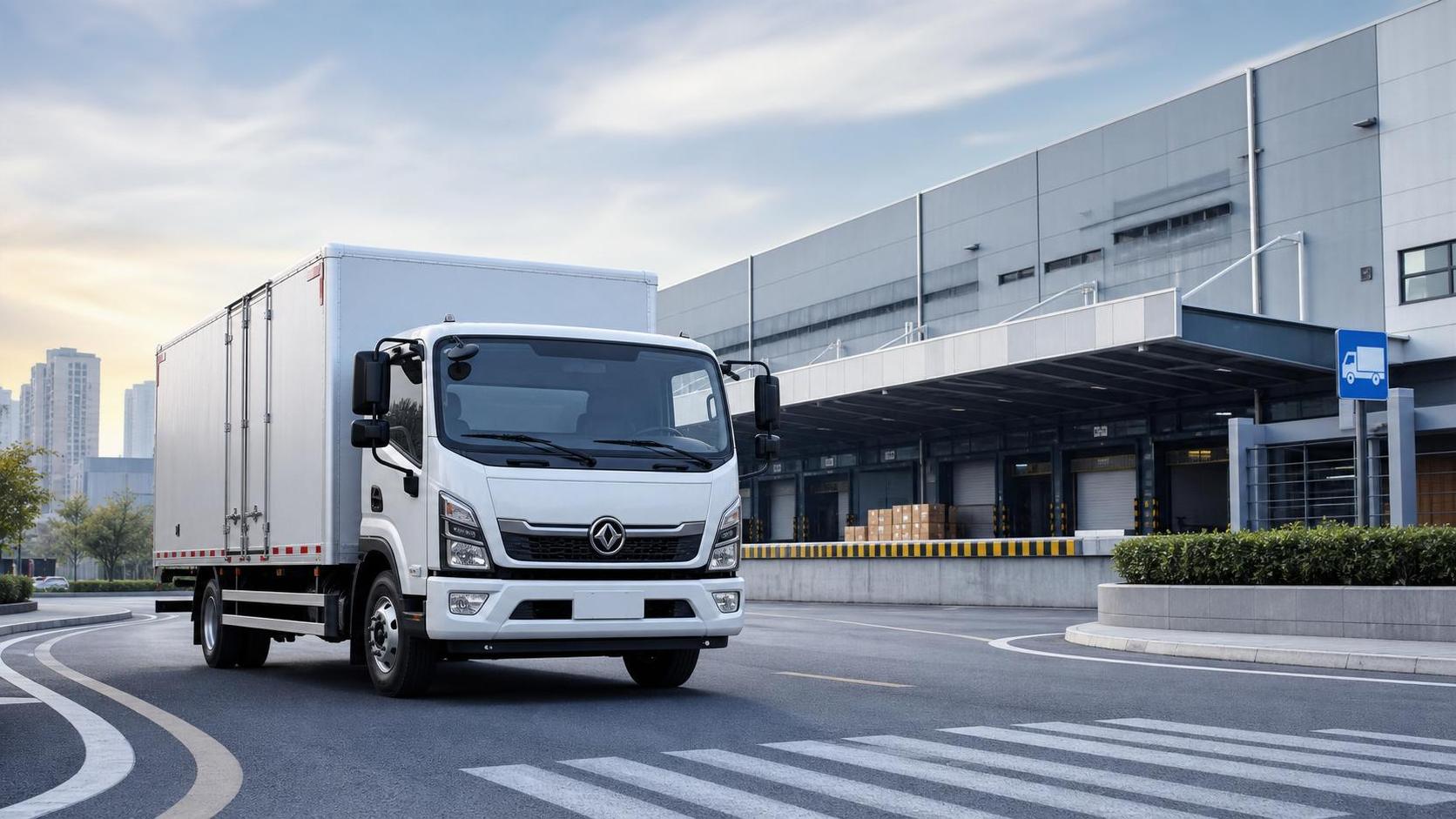
Choosing a 4_2 Cargo Truck for city distribution is rarely a simple price comparison. In urban logistics, the right truck affects route efficiency, fuel use, unloading speed, driver comfort, and the number of deliveries completed in a day.
That matters even more now, as delivery networks face tighter schedules, denser traffic, stricter emission rules, and rising maintenance expectations. A well-matched 4_2 Cargo Truck helps balance payload and agility without creating unnecessary operating pressure later.
For buyers comparing engineering and commercial vehicle options, the goal is not only to find available stock. It is to select a truck that fits the road environment, body configuration, service plan, and long-term fleet strategy.
Why the 4x2 configuration fits urban delivery
A 4x2 Cargo Truck uses one driven axle and one steering axle. In practical terms, this layout is widely used for medium-duty and light-to-medium urban transport because it keeps the vehicle structure efficient and easier to maneuver.
Compared with heavier axle arrangements, a 4_2 Cargo Truck often offers a better turning radius, lower curb weight, and simpler maintenance. These advantages are valuable in narrow streets, crowded loading zones, and multi-stop delivery routes.
From an engineering vehicle perspective, the platform is also flexible. It can support box bodies, stake bodies, refrigerated units, insulated compartments, and other specialized cargo structures for different urban applications.
What should be evaluated before comparing brands
Truck selection becomes clearer when the operating profile is defined first. Without that step, even a high-quality 4_2 Cargo Truck may be oversized, underpowered, or poorly matched to daily use.
Payload and cargo volume
Start with actual payload rather than advertised capacity. Urban distribution often involves mixed goods, return loads, and uneven loading patterns. The chosen truck should carry the real working load without regularly operating at its limit.
Body volume matters just as much. Parcel delivery, beverages, retail replenishment, and cold-chain transport all create different cube requirements. A truck that runs out of cargo space before reaching payload is not efficient.
Route conditions and access limits
City routes are shaped by bridge limits, underground parking heights, curb access, and low-speed congestion. That means wheelbase, overall height, and body length should be checked against actual route conditions, not only against warehouse preferences.
In dense areas, a shorter or more compact 4_2 Cargo Truck may deliver more efficiently than a larger model because it reduces turning difficulty and parking time.
Powertrain suitability
Engine output should support stop-and-go transport, not just highway cruising. Frequent starts, low-speed acceleration, and repeated loading dock movements demand strong low-end torque and a transmission ratio suited to urban work.
Underpowered trucks increase fuel consumption and mechanical strain. Overpowered trucks may raise procurement and service costs without adding measurable route value.
The cost picture goes beyond the purchase price
A competitive quotation is only one part of the decision. Urban fleets usually feel the bigger impact through fuel economy, tire wear, brake life, downtime, and parts availability.
This is where a structured comparison helps. A lower initial price can become expensive if service intervals are short or replacement parts are difficult to source.
When a 4_2 Cargo Truck is expected to run daily in a busy city, lifecycle cost is usually a more reliable guide than invoice price alone.
Vehicle details that improve daily efficiency
Small specification choices often create large operational differences. In city logistics, these details directly affect loading time, route consistency, and driver fatigue.
- Cab visibility should be clear enough for frequent lane changes, reversing, and curbside positioning.
- Door opening angle and step height should support repeated entry and exit during multi-stop routes.
- Suspension tuning should match typical road quality and cargo sensitivity.
- Brake performance should remain stable under repeated urban stops.
- Body access design should reduce unloading delays at retail and warehouse points.
- Telematics compatibility can help monitor route efficiency, idle time, and maintenance planning.
A 4_2 Cargo Truck that looks similar on paper may perform very differently once it enters a real urban workload. That is why operational details deserve more attention during procurement review.
Matching the truck to the delivery scenario
Not every city logistics task needs the same truck body or chassis setup. A better decision comes from pairing the 4_2 Cargo Truck with the specific delivery pattern.
Retail and supermarket replenishment
These routes often involve palletized cargo, time windows, and medium-distance urban travel. Good tail access, stable suspension, and practical body dimensions are more important than maximum payload alone.
Express and parcel distribution
This segment usually values cargo volume, low loading height, and route flexibility. A lighter 4_2 Cargo Truck with efficient fuel consumption may outperform a larger unit that carries unused capacity.
Cold-chain transport
Refrigerated bodies add weight and energy demand. In this case, buyers should evaluate axle loading, insulation quality, refrigeration integration, and engine performance under auxiliary equipment use.
Construction-related urban supply
Engineering vehicle fleets serving urban projects may transport tools, packaged materials, or equipment between warehouses and work zones. Here, chassis strength and route adaptability can matter more than cosmetic features.
Why supply capability and support matter in export purchasing
Truck quality is essential, but reliable supply and execution are just as important in cross-border procurement. Delays in documentation, specification errors, or weak after-sales coordination can damage project timelines.
This is one reason experienced exporters play a practical role in the process. Shandong Livol Truck International Trade Co., Ltd. works as an authorized domestic and overseas dealer for FOTON, SHACMAN, and SINOTRUK, with broad 4S store resources and stable inventory support.
That kind of structure helps when the selection process includes model comparison, body customization, paperwork, customs coordination, and shipping arrangements. It also reduces uncertainty when a 4_2 Cargo Truck must be delivered within a specific operational window.
For many buyers, the value is not only access to brands. It is the ability to move from specification review to delivery and after-sales follow-up with fewer gaps in communication.
A practical checklist before making the final decision
Before selecting a 4_2 Cargo Truck, it helps to compare each option against the same decision framework rather than relying on brochures or isolated quotations.
- Confirm average payload, route distance, stop frequency, and body volume needs.
- Check wheelbase, turning radius, and height against urban access limits.
- Review engine torque, transmission matching, and urban fuel performance.
- Assess service access, spare parts support, and maintenance intervals.
- Verify delivery time, export documentation, and customization feasibility.
- Compare lifecycle cost, not only purchase price.
The best choice is usually the one that fits the delivery pattern with the fewest compromises. A capable 4_2 Cargo Truck should support route efficiency today while remaining practical to maintain over the years ahead.
If the next step is model evaluation, start by mapping real operating conditions, then compare available configurations from proven brands against those needs. That approach leads to a clearer and more confident decision.
Search Starts Here