
News
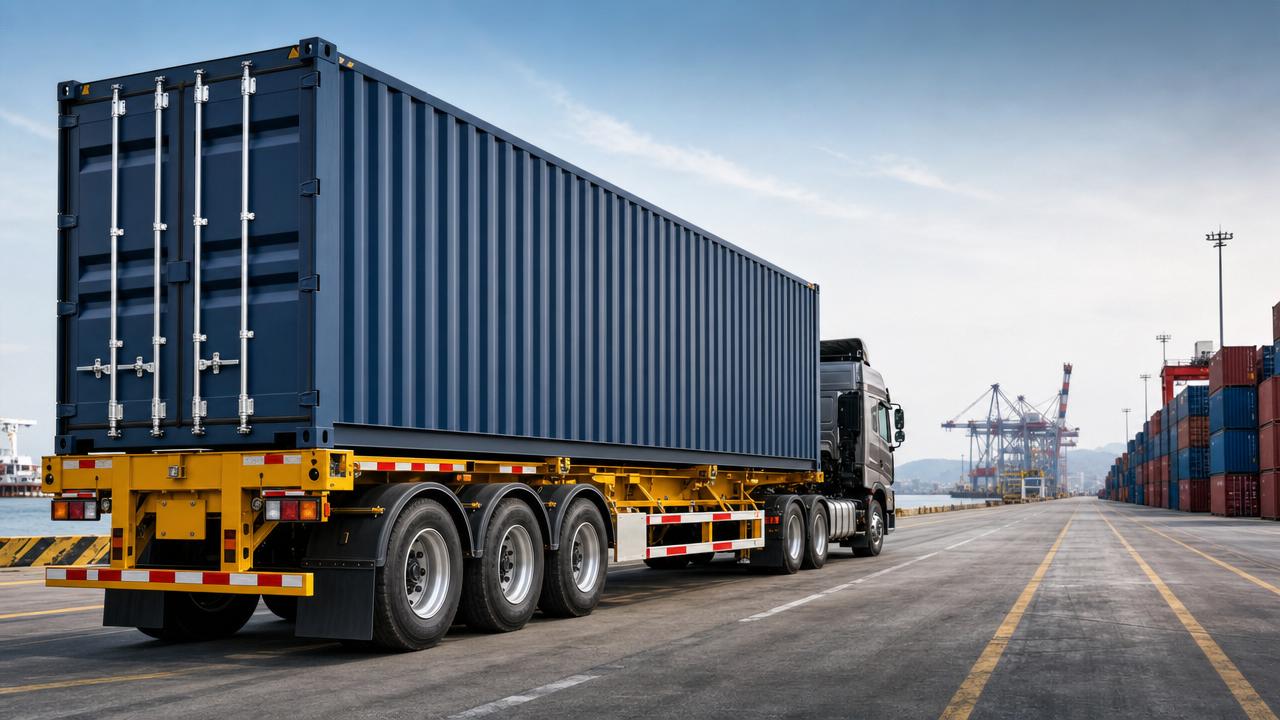
Skeleton Container Semi-Trailer: Key Specs to Check Before Fleet Use
Before adding a Skeleton (Container) Semi-Trailer to fleet operations, technical evaluation now needs to go beyond rated payload.
Container routes are changing, cargo cycles are tighter, and compliance pressure is rising across cross-border and port-linked transport.
A reliable Skeleton (Container) Semi-Trailer must balance frame strength, axle layout, twist-lock accuracy, braking response, and maintenance efficiency.
The right specification improves container stability, reduces downtime, and supports long-term return on investment in demanding engineering vehicle operations.
Container Transport Is Moving Toward Higher Utilization
Ports, inland depots, mining logistics, construction material supply, and industrial zones are pushing trailers through longer operating hours.
This trend increases stress on every Skeleton (Container) Semi-Trailer, especially under mixed road conditions and frequent loading cycles.
Older selection habits often focus on nominal capacity only. That approach no longer fits modern container transport.
Fleet use now requires closer attention to fatigue resistance, axle load distribution, suspension reliability, and component interchangeability.
A Skeleton (Container) Semi-Trailer that performs well in catalog data may fail early if road, cargo, and duty cycle are underestimated.
Key Trend Signals Behind Specification Upgrades
Several market signals explain why technical specifications are becoming more important for container semi-trailer selection.
These changes mean each Skeleton (Container) Semi-Trailer should be reviewed as part of a complete transport system.
Tractor power, route grade, pavement quality, cargo weight, and container type all influence the final configuration.
Frame Strength Is Becoming the First Technical Filter
The chassis frame carries the main load path. It is the core structure of a Skeleton (Container) Semi-Trailer.
High-strength steel, proper beam height, and optimized web thickness help resist bending and torsional stress.
For engineering vehicle applications, frame inspection should include welding continuity, cross-member spacing, and reinforcement around twist-lock positions.
A lighter frame may improve fuel economy. However, excessive weight reduction can weaken fatigue life under rough road operation.
- Check main beam material grade and certified mechanical properties.
- Confirm reinforcement design for 20-foot, 40-foot, and 45-foot containers.
- Inspect welding appearance, penetration consistency, and anti-rust treatment.
- Match frame design with road condition and expected operating frequency.
Axle Configuration Shows How the Trailer Will Behave
Axle layout affects load distribution, tire wear, braking balance, and legal road compliance.
A Skeleton (Container) Semi-Trailer commonly uses three axles, but spacing, rated capacity, and brand quality still matter.
Heavy-duty container routes may require stronger axle ratings or regional configurations based on local road regulations.
Incorrect axle selection can cause overload penalties, uneven tire wear, suspension damage, and unstable handling during braking.
Twist-Lock Layout Must Match Real Container Work
Twist locks secure the container to the trailer and directly influence transport safety.
A Skeleton (Container) Semi-Trailer should support the container sizes actually used on target routes.
Poorly positioned twist locks increase loading time and may create unsafe force concentration during sudden braking.
The locking mechanism should operate smoothly, resist corrosion, and remain accessible after repeated port and yard operations.
- Verify compatibility with 20-foot, 40-foot, and 45-foot containers.
- Check lock material, handle clearance, and locking feedback.
- Review reinforcement plates around lock mounting points.
- Confirm drainage and anti-corrosion design near lock locations.
Braking and Suspension Are Now Compliance-Critical
As routes become faster and more regulated, braking performance is no longer a secondary detail.
A Skeleton (Container) Semi-Trailer should have a braking system matched with tractor specifications and regional safety standards.
ABS, reliable air chambers, quality valves, and protected air pipelines improve safety under emergency braking conditions.
Suspension choice also affects tire life, cargo stability, and driver comfort over uneven roads.
Mechanical suspension is robust and familiar. Air suspension improves load protection and ride control on high-value routes.
Operational Impact Extends Across the Whole Fleet
The specification of a Skeleton (Container) Semi-Trailer influences more than one transport task.
It affects tractor matching, maintenance scheduling, tire inventory, route planning, and safety inspection preparation.
A trailer with standardized components can reduce downtime when operating across remote construction or industrial supply routes.
A non-standard configuration may appear cheaper, yet create higher lifetime cost through parts delays and complex repairs.
For container logistics, stable utilization depends on predictable performance rather than the lowest initial price.
Specification Priorities to Watch Before Fleet Use
A practical evaluation should rank specifications according to real operating risk and maintenance consequences.
- Confirm gross vehicle weight, payload range, and legal axle load limits.
- Review main beam design, steel grade, and structural reinforcement.
- Check twist-lock compatibility with all planned container sizes.
- Match suspension type with route roughness and cargo sensitivity.
- Verify braking system compatibility with the selected tractor unit.
- Assess anti-corrosion treatment for ports, humidity, and coastal routes.
- Evaluate spare parts support and after-sales service capability.
This checklist helps prevent specification gaps before the Skeleton (Container) Semi-Trailer enters heavy daily use.
How Export Experience Supports Better Configuration Decisions
Global container transport requirements vary by road law, port practice, climate, and maintenance resources.
This makes supplier experience important when selecting a Skeleton (Container) Semi-Trailer for overseas projects.
Shandong Livol Truck International Trade Co., Ltd. is based in Shandong, China.
The company exports commercial vehicles and supports customers with vehicle selection, customization, documentation, customs clearance, and logistics.
As an authorized dealer for FOTON, SHACMAN, and SINOTRUK, it maintains strong supply capability and practical industry resources.
For trailer-related projects, export knowledge can help align technical configuration with tractor matching and destination regulations.
Recommended Evaluation Path Before Procurement
A phased review reduces risk and makes the final Skeleton (Container) Semi-Trailer specification easier to justify.
This process turns trailer selection into an engineering decision rather than a simple price comparison.
Final Outlook: Reliability Will Define Container Trailer Value
Container transport is becoming more time-sensitive, more regulated, and more demanding on equipment durability.
A well-specified Skeleton (Container) Semi-Trailer supports stable loading, safer braking, efficient yard handling, and lower maintenance exposure.
The best configuration should reflect payload, container size, road environment, legal requirements, and service capability.
Before final selection, request detailed drawings, component brands, axle data, suspension options, and compliance documents.
For projects requiring commercial vehicles and export coordination, Shandong Livol Truck International Trade Co., Ltd. can support practical next steps.
Share route conditions, container types, payload targets, and destination rules to receive a suitable Skeleton (Container) Semi-Trailer configuration plan.
Search Starts Here