
News
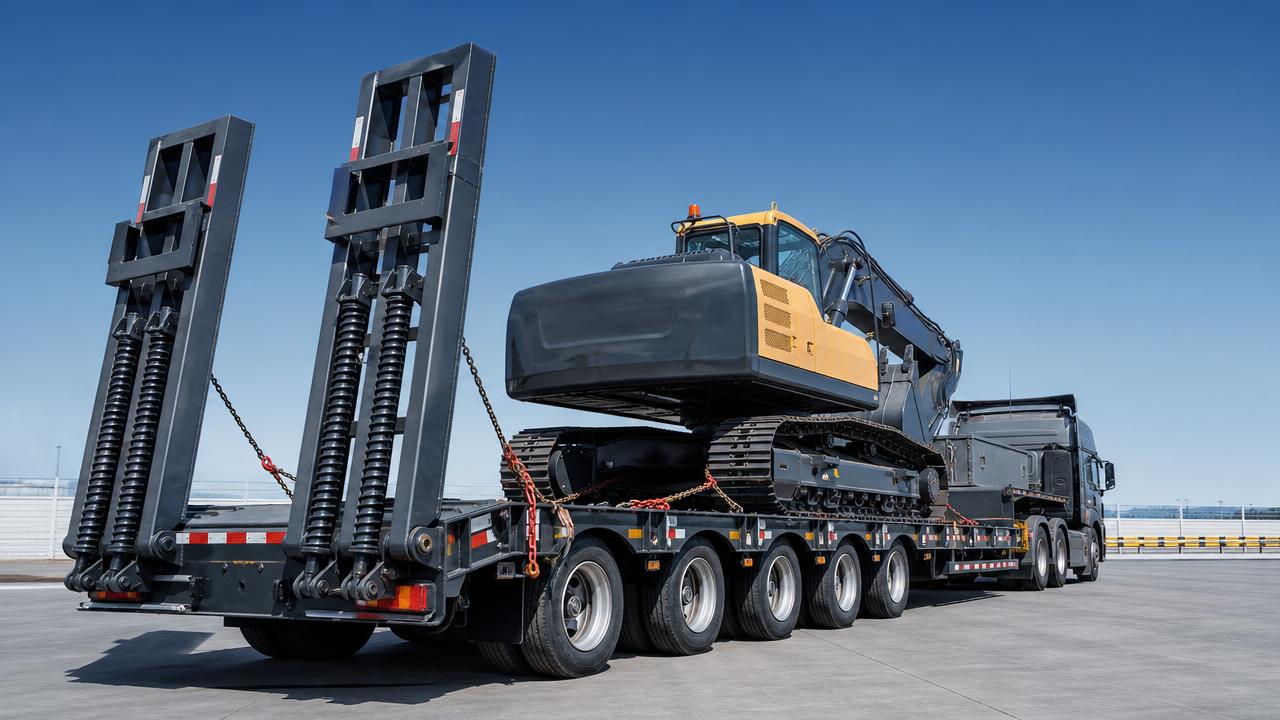
When transporting oversize machinery, every Low Plate trailer must pass strict safety checks before departure. For quality control and safety managers, a reliable inspection process reduces load shift risk, prevents equipment damage, and supports legal compliance. This guide explains the most important Low Plate inspection points for engineering vehicle transport, helping each movement stay stable, efficient, and ready for demanding road conditions.
What should be checked first on a Low Plate trailer before loading?
Start with the trailer structure. A Low Plate unit carries concentrated weight, so frame condition directly affects transport safety.
Inspect the main beam, cross members, gooseneck, deck plate, and welding lines. Look for cracks, rust expansion, bending, or impact deformation.
Check whether the loading platform is level. Uneven deck height can create poor weight distribution during machinery loading.
Review all visible fasteners. Loose bolts around suspension mounts, landing gear, ramps, and side protection parts need immediate correction.
The kingpin area also matters. Excessive wear in the coupling zone can increase sway and affect the connection with the tractor head.
- Frame straightness and weld integrity
- Deck plate damage or weak sections
- Ramp hinge movement and locking condition
- Landing gear stability
- Kingpin wear and coupling security
A Low Plate trailer used for excavators, rollers, or pavers should never be loaded before these structural checks are completed.
How do tires, axles, and suspension affect Low Plate transport safety?
Running gear defects are a common cause of roadside failure. On a Low Plate trailer, tire and axle condition strongly influence stability.
Check all tires for cuts, exposed cords, abnormal shoulder wear, and sidewall bulges. Tire pressure must match the actual axle load.
Mixed tire wear across one axle often signals alignment or suspension problems. Do not ignore uneven patterns.
Inspect wheel nuts and hub temperatures before and after short test movement. Overheating can point to bearing or brake drag issues.
Axles must show no visible oil leakage, housing cracks, or bent components. Suspension equalizers, leaf springs, and air bags require close attention.
If the Low Plate uses air suspension, confirm air lines are intact and ride height is balanced on both sides.
- Measure tire pressure when cold.
- Compare tread wear across each axle line.
- Inspect hub seals for leakage.
- Check suspension pins, bushings, and brackets.
- Test brake response during a short yard move.
For engineering vehicle logistics, these checks help the Low Plate remain controllable on rough roads, slopes, and long-distance routes.
How can load securement be verified for oversize machinery on a Low Plate?
Securement is more than adding chains. It means controlling forward, rearward, sideways, and vertical movement during braking and turning.
Begin with cargo weight and center of gravity. The machinery should sit where axle loads remain legal and steering remains stable.
Use designated lashing points only. A Low Plate trailer must have sound anchor points with no distortion or cracking.
Chains, binders, and straps must match the machinery type. Heavy tracked equipment usually requires chains instead of textile straps.
Check the working load limit on every securement device. Damaged hooks, stretched links, and bent binders should be removed from service.
Excavator booms, blades, buckets, and attachments need separate restraint if they can move independently during transport.
Anti-slip mats, timber blocking, and wheel chocks can improve Low Plate load stability, especially on steel deck surfaces.
A properly secured Low Plate load should be rechecked after the first short distance because settling can reduce chain tension.
Which braking, lighting, and hydraulic systems require attention?
Oversize machinery transport depends on more than structure and tie-downs. Operational systems must also work without delay.
Test service brakes, parking brakes, and emergency air line functions. Air leaks, slow pressure build, or weak response require immediate service.
Electrical connectors should be clean and firmly connected. Faulty wiring can disable stop lamps, indicators, or side markers.
A Low Plate trailer often carries oversize loads at dawn, dusk, or on restricted routes. Lighting visibility is critical for road safety.
Inspect reflective tape, warning boards, and if required, escort signage and rotating beacons. These support safer engineering equipment movement.
If the Low Plate includes hydraulic ramps or steering systems, inspect cylinders, hoses, valves, and locking devices for leaks or pressure loss.
- Brake chamber condition
- Air hose sealing and coupling
- ABS or electrical warning status
- Ramp lifting and locking reliability
- Full lamp and reflector visibility
Reliable systems keep the Low Plate compliant and reduce unplanned stoppage during long-haul machinery delivery.
What paperwork and route checks are needed before a Low Plate move?
A safe trip can still fail if documents or route planning are incomplete. Oversize transport requires administrative checks before departure.
Confirm cargo dimensions, total combination weight, axle loads, and loaded height. These values guide permit applications and route selection.
Review bridge limits, tunnel clearances, slope sections, turning radius constraints, and local movement time restrictions.
A Low Plate trailer carrying construction machines may need escort vehicles, warning markings, or special operating windows.
Keep inspection records, securement photos, maintenance logs, and permit copies together. Clear documentation supports traceability and faster inspections.
Before departure, verify communication procedures for loading teams, drivers, escort units, and unloading points.
What mistakes often reduce Low Plate safety during machinery transport?
One frequent mistake is focusing only on visible damage. Many failures begin with hidden wear in suspension, brake lines, or fastening points.
Another error is loading by habit instead of weight calculation. Different machinery models can shift axle loads significantly.
Using insufficient securement devices is also risky. A Low Plate carrying crawler equipment needs restraint based on real transport forces.
Teams sometimes skip the post-loading recheck. Yet chain settling and tire compression can change the securement condition quickly.
Ignoring route-specific hazards causes avoidable delays. Low bridges, poor shoulders, and tight jobsite access roads must be identified early.
Finally, poor supplier support can create parts delays or uncertain documentation. Stable supply and technical service improve transport continuity.
Quick FAQ summary
A dependable Low Plate transport process combines equipment inspection, proper securement, route planning, and complete documentation. Each step protects machinery value and supports safer engineering vehicle delivery.
Shandong Livol Truck International Trade Co., Ltd., based in Shandong, China, provides reliable commercial vehicle export support with strong industry resources and global trade experience.
As an authorized dealer for FOTON, SHACMAN, and SINOTRUK, the company offers stable supply, customization, documentation assistance, logistics coordination, and professional after-sales service.
For projects involving engineering vehicles, transport equipment, or export solutions, a well-prepared Low Plate inspection checklist is the practical next step toward safer and more efficient machinery movement.
Search Starts Here