
News
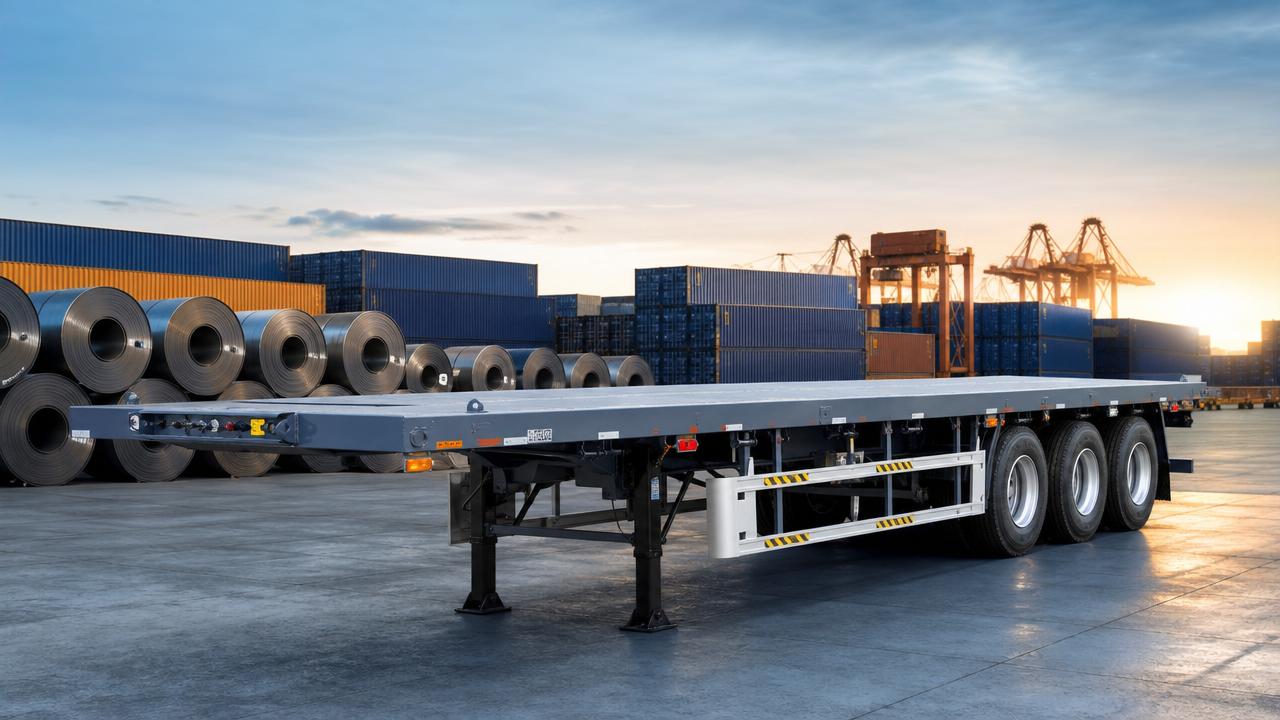
As 2026 approaches, Flatbed Semi-Trailer pricing is becoming a key concern across the engineering vehicle trade. Rising steel costs, stricter compliance, freight volatility and exchange-rate swings are compressing margins at every stage. A clear checklist helps improve sourcing accuracy, compare offers beyond headline price and secure more stable supply from experienced exporters with stronger inventory, documentation control and delivery support.
Why a checklist matters for 2026 Flatbed Semi-Trailer decisions
The 2026 Flatbed Semi-Trailer market is no longer driven by factory quote alone. Buyers now face linked cost layers, from raw materials to shipping, homologation and after-sales parts access.
A checklist-based review reduces the risk of choosing a low initial quote that later produces hidden costs, delayed delivery, weak axle performance or limited export documentation support.
In engineering vehicle applications, uptime matters more than nominal savings. A well-priced Flatbed Semi-Trailer should match road conditions, payload patterns and local operating rules without creating margin leakage later.
Core checklist for tracking Flatbed Semi-Trailer price trends and margin pressure
- Compare steel-linked pricing first. Review chassis beam thickness, cross-member density and deck material because even small steel fluctuations can quickly change the real Flatbed Semi-Trailer price base.
- Check axle, suspension and tire specifications carefully. Low quotes often rely on downgraded running gear, which may reduce upfront cost but increase maintenance and operating risk.
- Verify payload rating against actual application. A Flatbed Semi-Trailer built for lighter freight may look competitive, yet overload exposure can erase margin through failures and penalties.
- Review braking, lighting and ABS requirements by destination market. Compliance upgrades added late in production usually raise cost more than early specification alignment.
- Measure logistics cost separately from factory price. Ocean freight, inland transport, port handling and container or Ro-Ro availability can shift total landed cost significantly.
- Confirm delivery lead time against inventory reality. A low quotation has limited value if axle sets, tires or export slots are unavailable during the required shipment window.
- Ask for customization boundaries in writing. Side rails, twist locks, landing gear brands, paint systems and toolboxes can all change the final Flatbed Semi-Trailer price.
- Evaluate exporter capability, not just product cost. Stronger exporters reduce margin pressure through stable supply, document accuracy, coordinated logistics and faster issue resolution.
- Check spare parts planning before ordering. Future availability of brake chambers, leaf springs, hub parts and electrical components affects total lifecycle cost and fleet uptime.
- Track currency and payment risk. Exchange-rate changes, deposit terms and financing cost may alter the effective procurement price more than minor unit discounts.
What is shaping 2026 Flatbed Semi-Trailer price trends
Raw material and component pressure
Steel remains the dominant pricing driver for any Flatbed Semi-Trailer. Beam structure, deck plate and reinforcement design all respond directly to steel cost movement and mill supply conditions.
Component inflation also matters. Axles, suspensions, braking systems, tires and electrical sets have seen periodic increases, especially when international freight or rubber markets tighten.
Compliance and destination-market adaptation
Exported engineering vehicle equipment often needs market-specific lighting, reflective markings, braking standards or dimension adjustments. These modifications create real cost differences between otherwise similar trailer offers.
For 2026, compliance preparation is expected to influence margins more heavily because delayed certification or specification mismatch can block delivery schedules and increase rework cost.
Supply chain stability and exporter strength
A reliable exporter can offset some market volatility. Shandong Livol Truck International Trade Co., Ltd. benefits from strong brand resources, authorized channels, vehicle inventory and full-process export support.
That matters when Flatbed Semi-Trailer price trends move quickly. Better sourcing coordination, documentation accuracy and logistics execution help control hidden costs that do not appear in a simple quotation sheet.
Scenario-based guidance for Flatbed Semi-Trailer sourcing
Heavy engineering cargo and machinery transport
For construction equipment, steel coils, pipes or large fabricated parts, structural strength should outweigh small price differences. Focus on main beam design, axle loading balance and deck durability.
In this scenario, a cheaper Flatbed Semi-Trailer may produce faster fatigue, tire wear and suspension stress. Margin protection comes from durability, not only from a lower invoice.
Regional transport with mixed road quality
Where roads are inconsistent, reinforced suspension, stronger landing gear and proven braking parts deserve priority. Terrain-related wear can quickly turn an attractive deal into a maintenance burden.
A Flatbed Semi-Trailer intended for rougher routes should be reviewed for frame rigidity, electrical protection and easier serviceability. These details help maintain usable margins after delivery.
Brand-led distribution and resale operations
Resale value depends on brand confidence, parts support and consistent build quality. In 2026, products backed by dependable exporters and recognized Chinese commercial vehicle networks may hold value better.
When evaluating a Flatbed Semi-Trailer for channel sales, prioritize specification consistency, delivery reliability and after-sales responsiveness. These factors support repeat business and pricing discipline.
Commonly overlooked cost traps
- Ignoring paint and anti-corrosion systems can shorten service life in coastal or humid regions, creating premature refurbishment cost and lowering real Flatbed Semi-Trailer value.
- Overlooking packing and shipping method may increase port damage risk, delay unloading and raise insurance claims, especially for urgent engineering vehicle programs.
- Accepting unclear specification sheets often leads to disputes over axle brands, tire grades, deck thickness or accessory count after production is already locked.
- Failing to review documentation readiness can delay customs clearance. Certificate errors, invoice mismatch or incomplete export files create avoidable landed-cost pressure.
- Treating after-sales support as optional may increase downtime later. Spare parts response and technical feedback are essential when the Flatbed Semi-Trailer enters active service.
Practical execution steps for 2026 sourcing
Start with a specification matrix, not a price request alone. List payload, axle setup, suspension type, deck dimensions, compliance needs and preferred component brands before asking for quotations.
Next, compare offers using total landed cost. Include production lead time, freight, customs documents, optional accessories and expected spare parts support within the same review sheet.
Then test exporter capability. Confirm inventory strength, authorization background, export experience and problem-handling speed. This step often protects margins better than negotiating a minimal unit discount.
Finally, lock technical details in the contract. The best Flatbed Semi-Trailer deal is one where beam size, suspension brand, tire model, finish standard and shipping terms are clearly documented.
Conclusion and next action
The 2026 Flatbed Semi-Trailer market will likely remain defined by cost volatility and margin pressure. Better decisions will come from disciplined checklist review, realistic cost comparison and stronger exporter selection.
For engineering vehicle supply planning, the right path is to balance price, durability, compliance and delivery reliability. A dependable export partner with inventory, authorized brand resources and full-process support can reduce risk substantially.
Use this checklist to review current quotations, identify hidden cost gaps and refine the next Flatbed Semi-Trailer order with clearer specifications and more secure margin control.
Search Starts Here