
News
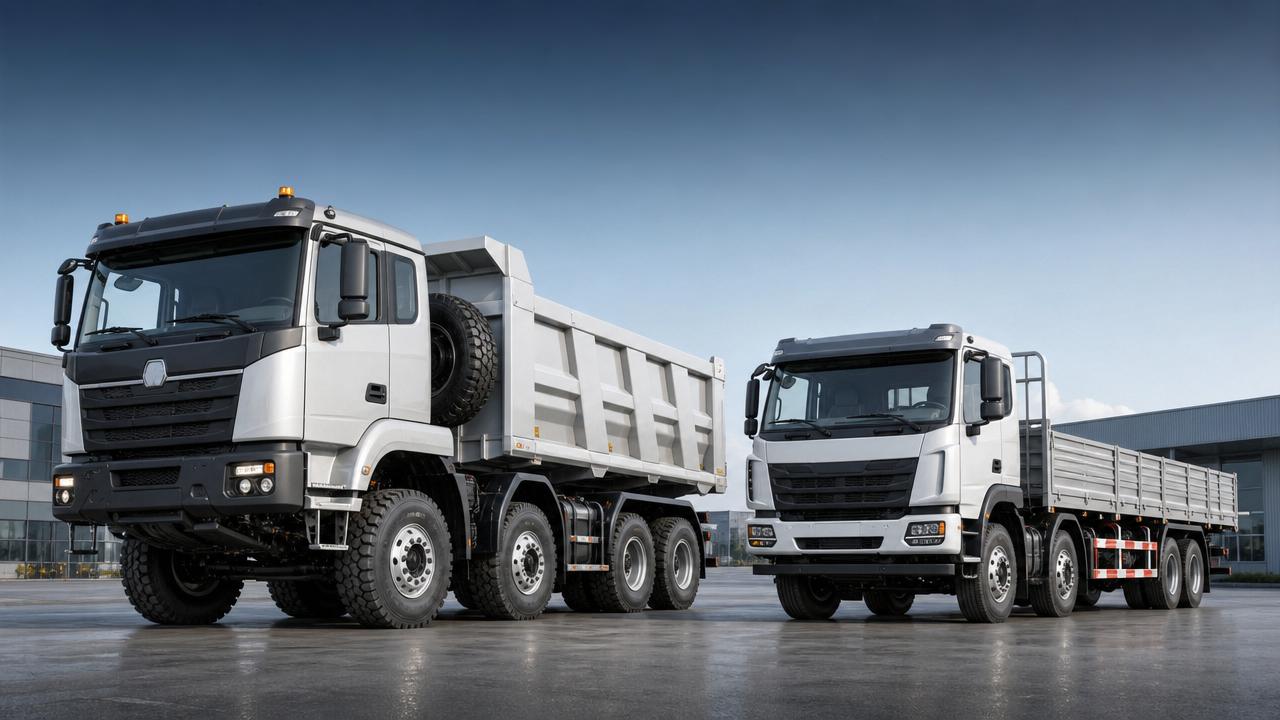
For fleet buyers and operational decision-makers, the Cangshan Vehicle Configuration List is more than a technical reference—it is a practical tool for evaluating performance, payload, fuel efficiency and long-term operating cost. Understanding these key specifications helps businesses compare vehicle options with greater confidence and build a fleet plan that supports efficiency, reliability and scalable growth.
Why the Cangshan Vehicle Configuration List Matters in Fleet Planning
In engineering vehicle operations, a wrong configuration decision can increase fuel use, reduce uptime and limit route flexibility. That is why the Cangshan Vehicle Configuration List should be reviewed before any model comparison.
A complete list turns scattered specifications into a decision framework. It helps verify whether a vehicle matches site conditions, legal payload limits, maintenance capacity and expected service life.
For dump trucks, cargo trucks, mixers and other commercial engineering vehicles, configuration details directly affect productivity. Engine output, axle ratio and body dimensions all shape how the fleet performs in real work.
Core Checklist: Key Specs to Review First
Use the Cangshan Vehicle Configuration List as a structured inspection tool. Review these points in order, and compare every candidate vehicle against the same baseline.
- Check engine power, torque curve and emission standard to confirm the vehicle can handle gradeability, heavy loads and local compliance without sacrificing fuel economy.
- Verify transmission type, gear ratio range and clutch durability to ensure smooth operation in stop-start construction routes and uneven off-road jobsite conditions.
- Review axle capacity, axle ratio and suspension design to match payload demand, road surface quality and expected frequency of overloading risk.
- Confirm wheelbase, overall dimensions and turning radius to avoid access problems at loading yards, tunnels, urban sites and restricted work zones.
- Measure cargo body volume, material thickness and hydraulic system specification to determine whether carrying capacity supports operational targets and body durability.
- Inspect tire size, ply rating and tread pattern to reduce puncture rate, improve traction and maintain stable performance on mixed terrain.
- Assess fuel tank volume and actual consumption range to estimate route coverage, refueling intervals and total operating cost per shift.
- Check braking system, retarder options and safety electronics to improve downhill control, reduce wear and support safer heavy-duty operations.
- Review cabin layout, visibility, air conditioning and seat design because operator comfort strongly affects fatigue, attendance and driving consistency.
- Confirm spare parts availability, service intervals and maintenance access points to reduce downtime and simplify workshop planning across the fleet lifecycle.
How to Read the Cangshan Vehicle Configuration List by Operating Scenario
Construction Site Haulage
On rough sites, the Cangshan Vehicle Configuration List should be read with special focus on chassis strength, ground clearance and suspension durability. These items affect survival in mud, gravel and uneven loading zones.
Higher torque at low rpm is usually more valuable than maximum top speed. A robust drivetrain often lowers failure risk when vehicles repeatedly start under full load.
Urban Material Delivery
For urban engineering transport, compact dimensions and turning efficiency matter more. The Cangshan Vehicle Configuration List should highlight wheelbase, blind spot control and braking responsiveness.
Fuel efficiency also becomes critical in dense traffic. Models with matched transmission ratios and lighter curb weight may deliver better cost performance over frequent short trips.
Long-Distance Bulk Transport
For intercity routes, compare fuel tank capacity, cruise efficiency and cabin comfort first. The Cangshan Vehicle Configuration List helps identify which vehicles can sustain longer duty cycles with fewer interruptions.
Reliability indicators become more important on long runs. Easy maintenance access and stable parts supply can save more money than a lower initial purchase price.
Mining and Heavy-Duty Applications
Heavy-duty work requires close attention to reinforced frame structure, axle load margin and tire specification. The Cangshan Vehicle Configuration List should be reviewed against the harshest expected load cycle.
Cooling performance is another key point. In high-temperature or high-load operations, inadequate cooling can quickly damage engines, transmissions and hydraulic systems.
Commonly Overlooked Items in the Cangshan Vehicle Configuration List
Body material thickness: Payload numbers look attractive on paper, but thin body construction may reduce service life. Wear resistance matters when hauling stone, sand or demolition debris.
Axle ratio matching: Some fleets focus only on horsepower. If the axle ratio is poorly matched to the route profile, fuel use and drivability can both suffer.
Hydraulic component quality: In dump applications, cylinder performance and sealing reliability influence unloading speed, stability and maintenance frequency.
Legal dimension compliance: A vehicle may carry well, but body length, height or axle distribution can create registration and route approval issues in some markets.
Service network realism: A specification sheet is incomplete without support planning. Parts lead time and technician coverage should be checked before final selection.
Practical Steps for Using the Cangshan Vehicle Configuration List
- Define route conditions, average load, annual mileage and work cycle before comparing any vehicle model.
- Build a side-by-side table from the Cangshan Vehicle Configuration List for engine, axle, body and safety items.
- Score each specification by operational importance instead of giving equal value to every parameter.
- Request confirmation of optional configurations, because brochure data may differ from delivered units.
- Estimate total cost using fuel, tires, preventive maintenance, downtime risk and expected resale value.
- Align the final configuration with local regulations, climate conditions and after-sales support capacity.
Why Supplier Capability Also Affects Configuration Decisions
The Cangshan Vehicle Configuration List is most useful when paired with reliable delivery and support. In export trade, configuration accuracy must be matched by documentation control, logistics execution and spare parts planning.
Shandong Livol Truck International Trade Co., Ltd. provides integrated support across vehicle selection, customization, documentation, customs clearance and logistics. With authorized resources for FOTON, SHACMAN and SINOTRUK, plus broad 4S coverage and stable inventory, the company helps reduce delays between specification approval and fleet deployment.
This matters because the right engineering vehicle is not only the one with the best paper specs. It is the one delivered correctly, supported consistently and configured for the actual operating environment.
Conclusion: Turn the Cangshan Vehicle Configuration List into an Action Tool
A strong fleet plan starts with disciplined specification review. The Cangshan Vehicle Configuration List helps connect technical details with payload, uptime, fuel cost and lifecycle value.
Use it to compare models by real operating needs, not by headline numbers alone. Focus on drivetrain matching, body durability, compliance, maintenance support and scenario fit.
The next step is simple: collect the latest Cangshan Vehicle Configuration List, build a comparison sheet and verify each item against route, load and service conditions before placing an order.
Search Starts Here