
News
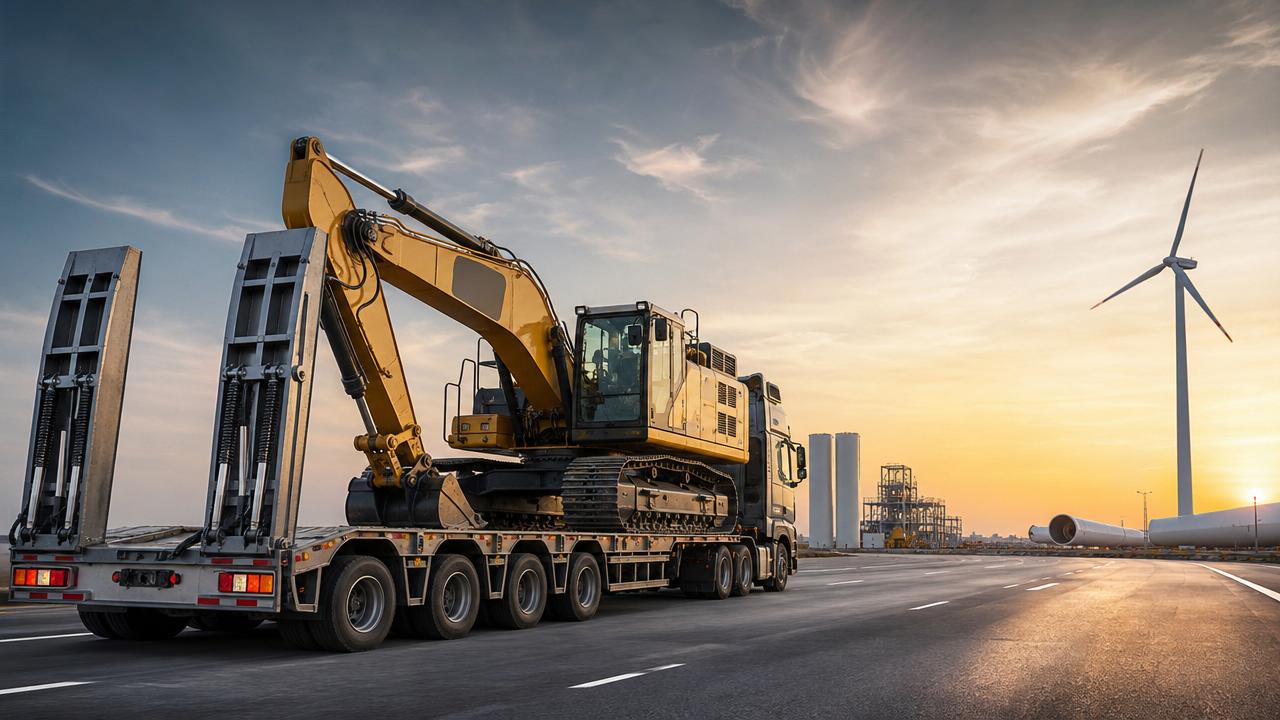
As infrastructure, energy, and heavy-equipment transport projects expand in 2026, Low Plate trailer demand is becoming a practical indicator for market planning. Capacity supply, project timing, and transport regulation are moving together. This creates both opportunity and uncertainty for cross-border sourcing, fleet renewal, and pricing decisions in the engineering vehicle sector.
In heavy transport, a Low Plate trailer is valued for its lower deck height, stable center of gravity, and strong suitability for large machinery. In 2026, demand is expected to rise in project corridors linked to construction, mining, power, and logistics upgrades. Understanding project pipelines, production lead times, and cost drivers will help buyers act with greater confidence.
What Low Plate Means in Engineering Vehicle Transport
A Low Plate trailer is a heavy-duty transport platform designed for oversized or high-weight cargo. Common loads include excavators, road rollers, cranes, transformers, and industrial modules.
Compared with standard flatbed equipment, a Low Plate structure lowers cargo height. This improves route clearance and loading stability. It also supports safer transport for large equipment over long distances.
In engineering vehicle operations, trailer selection is not only about tonnage. It also depends on axle layout, deck length, suspension type, ramp design, and road compliance in the target market.
- Lower loading height for oversized machinery
- Improved transport stability on mixed road conditions
- Flexible use in construction, mining, and energy projects
- Better fit for export markets with strict route restrictions
Key Market Signals Behind Low Plate Demand in 2026
The 2026 outlook for Low Plate demand is shaped by several linked market signals. Project financing is improving in some regions. Equipment replacement cycles are also accelerating after delayed procurement in previous years.
Another factor is the changing structure of equipment transport. More projects now require movement of larger machines between temporary sites. That increases the need for durable and quickly available trailer capacity.
Regional variation will remain important. Fast-growing demand is likely in markets investing in roads, ports, utilities, and industrial zones. Areas with active quarry, mining, and oilfield work may also lift Low Plate trailer orders.
Project categories driving volume
- Highway and bridge construction packages
- Wind, solar, and substation development
- Mining expansion and equipment relocation
- Industrial plant installation and module transport
- Municipal engineering and public works logistics
Capacity Availability and Supply Dynamics
Demand growth alone does not define the market. Low Plate availability depends on steel cost trends, factory scheduling, axle and tire supply, and export logistics capacity.
In 2026, buyers may face uneven lead times. Standardized configurations could remain more available. Customized units may require longer production windows because of technical confirmation and compliance review.
Supply reliability matters especially when project start dates are fixed. A supplier with broad domestic resources, vehicle inventory, and integrated export coordination can reduce delivery risk.
Shandong Livol Truck International Trade Co., Ltd. brings relevant strength in this area. Based in Shandong, China, the company is a professional commercial vehicle exporter with strong industry resources and global trade experience.
As the official authorized domestic and overseas dealer for FOTON, SHACMAN, and SINOTRUK, Livol operates many authorized 4S stores across China. This supports stable supply, verified vehicle sources, and faster delivery coordination.
Its export team also supports full-process service, including selection, customization, documentation, customs clearance, and logistics. For Low Plate sourcing, this reduces communication gaps and helps maintain schedule control.
Pricing Trends for Low Plate Trailers in 2026
Pricing for a Low Plate trailer in 2026 will likely move within a moderate but sensitive range. It will not depend only on base manufacturing cost.
The most important price factors include raw materials, axle specification, hydraulic or mechanical ramp systems, braking standards, tire brand, and destination compliance requirements.
Main cost drivers
- Steel plate and chassis material fluctuation
- Axle count and load-bearing configuration
- Suspension type and structural reinforcement
- Custom dimensions for local road rules
- Freight, insurance, and port-related charges
Price comparisons should therefore focus on total delivered value, not only factory quotation. A lower headline price may hide weaker materials, unsuitable specifications, or additional compliance costs after arrival.
Business Value of Low Plate Planning for 2026
A timely Low Plate procurement decision can improve project readiness and reduce transport bottlenecks. This is especially true when multiple heavy machines must move between sites under tight deadlines.
Well-matched trailer capacity also lowers operational inefficiency. Over-specification increases acquisition cost. Under-specification can create loading risk, route limitations, and maintenance stress.
From a financial view, early evaluation of Low Plate demand supports better budget control. It helps compare stock units against customized builds and allows freight planning before seasonal pressure rises.
- Supports project startup without transport delays
- Improves utilization of engineering machinery assets
- Reduces risk of unsuitable trailer selection
- Strengthens control over lifecycle operating cost
Typical Low Plate Application Scenarios
Not every project needs the same Low Plate specification. Matching the trailer to the transport task is essential for safety, compliance, and return on investment.
Practical Sourcing Recommendations
For 2026 planning, Low Plate sourcing should combine technical review with market timing. Waiting too long may narrow availability during peak project seasons.
Recommended actions before order confirmation
- Define cargo dimensions, weight, and loading method clearly.
- Check local transport regulations and registration requirements.
- Compare standard and customized Low Plate options.
- Review lead time, parts support, and export documentation capacity.
- Confirm total landed cost, not only ex-factory price.
It is also useful to evaluate supplier coordination ability. In heavy transport, delays often come from missing paperwork, unclear specifications, or weak logistics follow-up rather than production alone.
A supplier with organized after-sales support and quality control can help reduce downtime after delivery. That matters when the Low Plate trailer is expected to serve multiple sites continuously.
Next-Step Considerations for 2026 Procurement
The 2026 market for Low Plate trailers will be influenced by project expansion, capacity discipline, and specification-driven pricing. Buyers that prepare earlier can respond better to both demand peaks and supply constraints.
A practical next step is to map expected cargo types, route limits, and delivery deadlines. Then compare available trailer configurations against real project use, not generic assumptions.
For stable sourcing support, Shandong Livol Truck International Trade Co., Ltd. offers integrated commercial vehicle export solutions backed by authorized brand resources, strong supply capability, and experienced global service execution.
With a clear plan, the right specification, and dependable delivery coordination, Low Plate procurement in 2026 can create stronger operational resilience and better long-term value in engineering vehicle transport.
Search Starts Here