
News
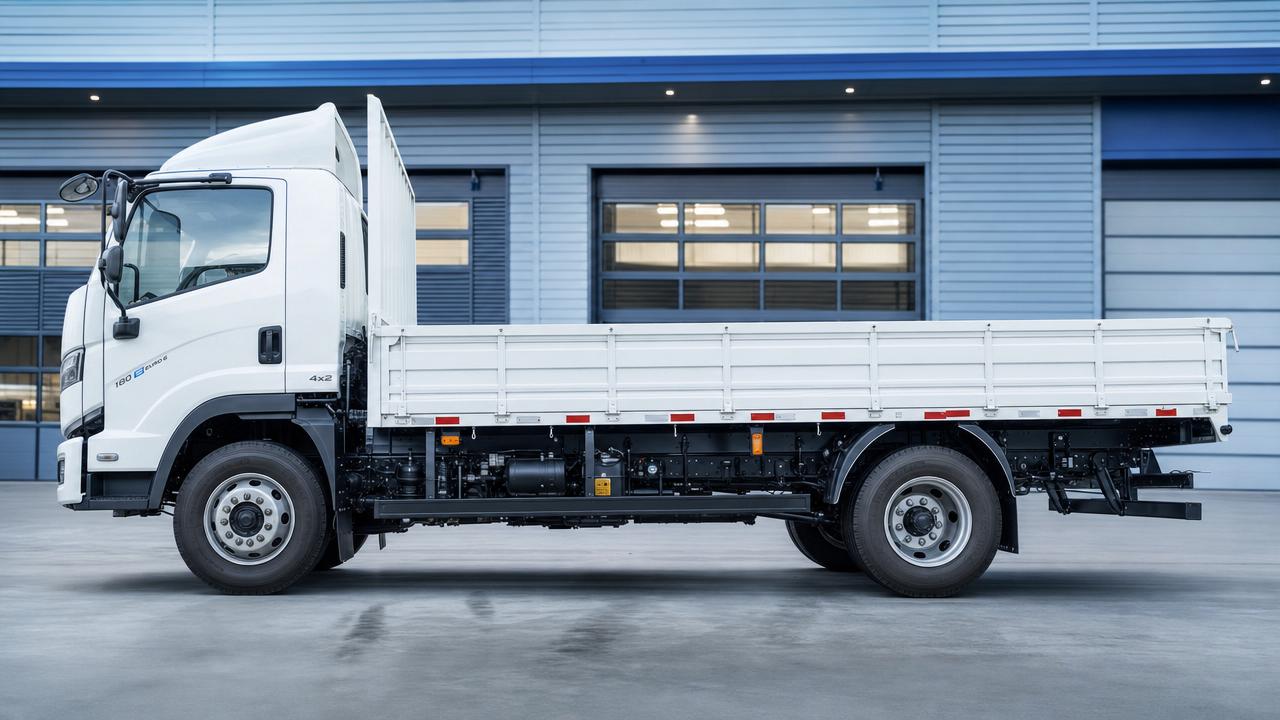
Keeping a 4_2 Cargo Truck on the road starts with smart maintenance that prevents small issues from becoming costly breakdowns. For after-sales service teams, understanding the key inspection and service points can greatly reduce downtime, improve vehicle reliability, and support long-term operating efficiency. This guide highlights practical maintenance priorities that help ensure every truck performs safely and consistently.
Why does 4_2 Cargo Truck maintenance matter so much in engineering vehicle operations?
In engineering-related transport work, a 4_2 Cargo Truck often runs on mixed routes, carries fluctuating loads, and faces tight dispatch windows. That means small failures can quickly affect project schedules, spare vehicle planning, and service costs.
For after-sales maintenance personnel, the challenge is not only fixing faults after they appear. The more valuable task is creating a preventive routine that keeps vehicles available, safe, and easier to diagnose.
This is especially important for fleets using Chinese commercial vehicle brands in regional distribution, site support, municipal work, and material movement. In these cases, uptime directly influences contract performance and customer satisfaction.
- Unexpected downtime often begins with overlooked basics such as lubrication neglect, air leaks, loose fasteners, or delayed filter replacement.
- Poor maintenance records make repeat failures harder to trace, especially when several drivers and service shifts share the same truck.
- Irregular parts supply can extend repair time, so maintenance planning must connect with spare parts stocking and delivery coordination.
What makes maintenance different for engineering vehicle support fleets?
A 4_2 Cargo Truck serving engineering projects may alternate between paved roads, temporary site roads, and stop-and-go urban traffic. This combination increases wear on suspension, tires, clutch systems, brakes, and cooling components.
Dust exposure, idling time, and overload risk also change service priorities. A maintenance schedule based only on calendar intervals is usually not enough. Usage intensity must be considered in every inspection plan.
Which maintenance points reduce 4_2 Cargo Truck downtime the most?
After-sales teams usually get the best downtime reduction by focusing on systems that fail frequently, affect safety, or trigger secondary damage. The table below highlights core maintenance points for a 4_2 Cargo Truck in practical service conditions.
These areas deserve priority because they can stop a 4_2 Cargo Truck immediately or create major repair bills if left untreated. For maintenance teams, early detection here usually brings the highest return in uptime.
1. Fluids, filters, and contamination control
Oil, coolant, fuel, and air filtration are the foundation of commercial vehicle reliability. In dusty engineering environments, blocked air filters and contaminated fuel filters can reduce power, increase smoke, and put extra stress on injectors and turbo-related components.
A good rule for after-sales teams is to inspect filter condition based on route environment, not just standard mileage. Trucks serving quarry access roads, construction support, or bulk material transfer may need shorter intervals.
2. Brake air system stability
Brake complaints often begin with slow air pressure build-up, moisture in the system, worn linings, or minor leaks at connectors. These issues may seem small during yard checks but can lead to dangerous downtime on the road.
Drain air reservoirs regularly, verify compressor response, and check for pressure loss after parking. For engineering fleets that frequently stop and start, this inspection point should never be delayed.
3. Suspension, chassis, and fastener checks
A 4_2 Cargo Truck working in uneven terrain experiences more vibration than a highway-only vehicle. That means U-bolts, spring components, anti-roll hardware, and chassis fasteners require scheduled torque verification and visual checks for cracking or movement.
Loose chassis hardware can create tire wear, steering drift, body instability, and long-term structural damage. This is a classic source of avoidable downtime because symptoms often appear gradually.
4. Driver feedback and fault pattern logging
Many workshop delays come from poor information at handover. If the driver only reports that the truck “feels weak” or “sounds strange,” diagnosis takes longer. A structured reporting form saves hours over the life of the fleet.
- Record when the fault happens: cold start, hill climb, braking, turning, or idling.
- Record whether the 4_2 Cargo Truck was loaded, partially loaded, or empty at the time.
- Record dashboard warnings, smoke color, abnormal vibration, or unusual air pressure behavior.
How should after-sales teams build an effective inspection schedule?
A practical inspection plan for a 4_2 Cargo Truck should combine daily checks, periodic workshop servicing, and condition-based intervention. The goal is to detect deterioration before it becomes a breakdown event.
The table below provides a simple maintenance rhythm that many service teams can adapt according to road condition, load profile, and operating hours.
The value of this schedule is consistency. When every 4_2 Cargo Truck follows a documented service rhythm, parts planning improves, labor allocation becomes easier, and repeat failures become more visible.
A simple execution process for maintenance teams
- Classify trucks by route severity, payload pattern, and average daily distance.
- Set baseline service intervals from the manufacturer guidance, then shorten them for dusty or overloaded use.
- Use a checklist with sign-off fields so inspection quality does not depend on memory alone.
- Track replaced parts and repeated defects to identify weak links in operation or training.
- Review downtime cases monthly to decide whether process, stocking, or driver behavior needs correction.
What spare parts and service planning decisions affect uptime most?
Downtime is not only a maintenance problem. It is also a supply chain problem. A 4_2 Cargo Truck can stay off the road far longer than necessary when common wear parts are unavailable or when parts identification is delayed.
For after-sales personnel, the best approach is to separate fast-moving maintenance parts from low-frequency repair parts. That improves budget control while still protecting availability.
Recommended spare parts stocking logic
- Keep high-turn items such as filters, brake consumables, belts, bulbs, hoses, and common seals ready for immediate replacement.
- Maintain accurate axle, engine, and brake system configuration records so each 4_2 Cargo Truck can be matched with the right parts quickly.
- For mixed fleets, standardize selected consumables where possible to reduce storage complexity and picking errors.
- Review lead times for less common items such as electrical modules, body-related parts, or driveline components before peak operating periods.
Why exporter and dealer support matters in after-sales work
When fleets source FOTON, SHACMAN, or SINOTRUK units for international use, after-sales success depends on more than the truck itself. It also depends on documentation accuracy, parts access, and coordinated service communication.
Shandong Livol Truck International Trade Co., Ltd. supports this process through authorized dealer resources, broad vehicle inventory, and export experience across selection, customization, logistics, and after-sales coordination. For buyers and service teams, this helps shorten response time when parts confirmation or delivery planning is urgent.
How can maintenance teams choose the right 4_2 Cargo Truck setup for easier service?
Maintenance results improve when truck selection matches the job. A poorly matched 4_2 Cargo Truck may suffer chronic clutch wear, brake overheating, suspension fatigue, or underpowered operation, even if the workshop performs correctly.
The comparison table below helps connect application scenarios with maintenance considerations during selection and replacement planning.
This comparison shows why procurement and after-sales teams should work together early. Correct selection reduces long-term service pressure and improves the total operating value of the 4_2 Cargo Truck fleet.
Questions to confirm before ordering
- Will the truck operate mainly on paved roads, rough site roads, or mixed conditions?
- Is the real payload stable, or does it vary significantly by project or season?
- Will maintenance be done in-house, through local partners, or through cross-border parts support?
- Are there local compliance, lighting, emission, or documentation requirements that affect configuration?
Common mistakes that increase 4_2 Cargo Truck downtime
Many downtime problems are not caused by rare failures. They come from routine errors that repeat across fleets. Recognizing these patterns helps after-sales teams reduce avoidable workshop hours.
Mistake 1: treating all trucks the same
A 4_2 Cargo Truck working in a dusty construction support route should not follow the same practical service interval as one operating on cleaner urban roads. Uniform plans often create over-servicing for some units and under-servicing for others.
Mistake 2: focusing only on repair, not root cause
If the same hose, brake item, or electrical connector fails repeatedly, simply replacing it is not enough. The team should check routing, vibration, heat exposure, contamination, and operating habits.
Mistake 3: weak communication between procurement and service
When parts planning is disconnected from actual fleet operation, even simple repairs may wait too long. Strong exporters and authorized dealers can help align vehicle configuration, stock planning, and documentation from the start.
Mistake 4: ignoring compliance and documentation needs
For export and cross-border use, vehicle paperwork, customs details, and specification consistency matter. A mismatch can delay delivery, registration, or spare parts identification, indirectly increasing downtime after arrival.
FAQ: what do after-sales teams often ask about 4_2 Cargo Truck maintenance?
How often should a 4_2 Cargo Truck be inspected in demanding engineering use?
Daily pre-trip checks are essential, but that is only the first layer. In dusty or rough-road conditions, weekly chassis, brake, and filtration reviews are also important. Monthly or mileage-based workshop inspections should then confirm wear trends and upcoming replacement needs.
Which failures usually cause the longest downtime?
Brake system faults, overheating-related engine issues, electrical no-start problems, and parts-delay cases often create the longest interruptions. The impact becomes greater when diagnosis records are incomplete or the correct replacement parts are not available locally.
What should maintenance personnel check before peak project seasons?
Review cooling performance, battery condition, tire wear, brake reserves, common spare parts stock, and service documentation. If several 4_2 Cargo Truck units will be deployed intensively, prepare a preventive parts package in advance rather than waiting for failure.
Can exporter support really help reduce after-sales delays?
Yes, especially when support includes model confirmation, configuration matching, spare parts coordination, logistics planning, and documentation handling. For fleets using FOTON, SHACMAN, or SINOTRUK products, an authorized and experienced exporter can simplify these steps and reduce response time.
Why choose us for 4_2 Cargo Truck supply and after-sales coordination?
For buyers, fleet managers, and after-sales maintenance teams, vehicle uptime depends on more than purchase price. It depends on choosing the right specification, receiving stable supply, and getting professional support when parts, delivery, or documentation questions appear.
Shandong Livol Truck International Trade Co., Ltd. is based in Shandong, China, and serves as an official authorized domestic and overseas dealer for FOTON, SHACMAN, and SINOTRUK. With authorized 4S store resources, sufficient vehicle inventory, and an experienced export team, we support customers through vehicle selection, customization, paperwork, customs clearance, logistics, and after-sales coordination.
If you are evaluating a 4_2 Cargo Truck for engineering-related transport, you can contact us to discuss practical service topics before ordering. That includes parameter confirmation, application-based model selection, spare parts planning, delivery cycle review, certification or compliance considerations, customization details, and quotation communication.
- Need help matching a truck to urban delivery, site support, or mixed-road duty?
- Need confirmation on configuration, serviceability, or wear-part planning?
- Need an estimate for delivery timing, export process, or documentation support?
- Need a tailored solution for fleet procurement and after-sales preparation?
Share your operating scenario, target market, and service expectations with us. We can help you evaluate a suitable 4_2 Cargo Truck solution that supports reliable operation and more manageable downtime control over the long term.
Search Starts Here