
News
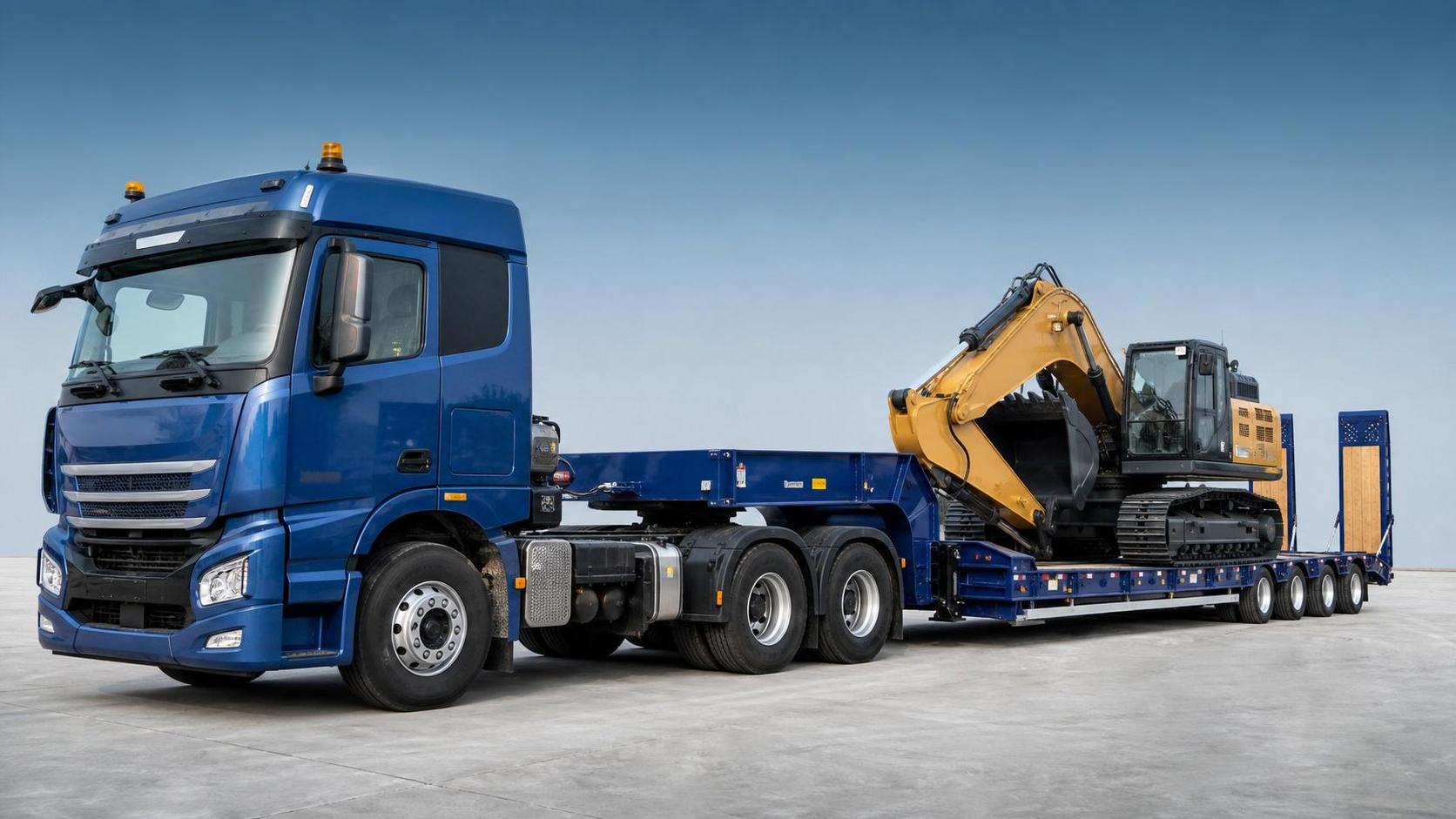
Low Plate Trailer Buying Guide: Key Checks Before You Compare Quotes
Comparing prices is only one part of a smart Low Plate purchase.
The bigger cost often appears later.
A low quote can hide weak steel, poor axle matching, or missing export documents.
In real projects, those gaps lead to delays, overload risks, and higher maintenance bills.
That is why a Low Plate buying process should start with technical checks, not price comparison alone.
This guide focuses on the key points that protect budget, uptime, and compliance.
It also helps you compare Low Plate quotes on a like-for-like basis.
Start With the Actual Transport Task
Before asking for a quotation, define what the Low Plate trailer must carry.
This sounds basic, but many sourcing problems begin here.
A Low Plate for excavators is not always suitable for bulldozers, rollers, or oversized components.
The deck height, ramp angle, loading length, and ground clearance all affect daily use.
A practical requirement sheet should include:
- Typical cargo type and machine dimensions
- Maximum payload and average operating weight
- Road condition, slope, and site access limits
- Required loading frequency and trip distance
- Local transport regulations and axle limits
Once these details are clear, Low Plate suppliers can recommend a realistic configuration.
This also reduces the risk of receiving attractive but unusable quotes.
Check Load Capacity Beyond the Nameplate
A Low Plate trailer may be labeled 40 ton, 60 ton, or 80 ton.
That number alone is not enough for a buying decision.
You need to confirm how the capacity is achieved.
Ask about main beam size, web thickness, flange thickness, cross beam spacing, and reinforcement zones.
A strong Low Plate is designed for concentrated weight, not only evenly distributed cargo.
This matters when tracked equipment loads onto one section first.
Useful verification questions include:
- What is the rated payload under real operating conditions?
- Is the design based on static weight or dynamic transport stress?
- Which parts use high-strength steel?
- Are stress points reinforced around the neck and ramp area?
- Can the supplier provide load drawings or calculation support?
A cheaper Low Plate may save money upfront, but structural fatigue can erase that advantage quickly.
Review Axle Configuration and Suspension Carefully
Axles are central to safety, durability, and total operating cost.
When buying a Low Plate, check more than axle quantity.
The axle brand, rating, brake system, and suspension type all matter.
For heavy and uneven routes, mechanical suspension may offer stronger durability and easier service.
For road-sensitive applications, air suspension may improve cargo protection and ride stability.
At this stage, compare these points:
- Axle tonnage and compatibility with payload target
- Leaf spring thickness or airbag specification
- Brake chamber quality and spare parts availability
- Wheelbase distribution and turning performance
- Maintenance access for hubs, linings, and seals
A well-matched axle setup helps a Low Plate perform reliably for years.
It also makes your quote comparison more accurate, because not all axle packages are equal.
Inspect Material Quality and Manufacturing Details
Material quality is one of the easiest areas to overlook.
It is also one of the biggest factors behind long-term cost.
Ask what steel grade is used in the main frame and deck.
Then ask how welding quality is controlled during production.
A Low Plate used in mining, construction, or cross-border transport needs consistent build quality.
Pay special attention to:
- Main beam straightness and weld uniformity
- Anti-slip deck plate thickness
- Ramp strength, hinge design, and lifting method
- Paint process, blasting quality, and rust protection
- Electrical harness routing and lamp protection
From a cost perspective, stronger materials often reduce repair frequency.
That means a better Low Plate can lower total ownership cost even if the unit price is higher.
Confirm Compliance Documents Before Negotiating Final Price
Documentation problems can stop a shipment faster than any technical issue.
That is why export compliance should be checked early.
Depending on your market, a Low Plate order may require certification, inspection records, and customs paperwork.
If the supplier responds vaguely, treat that as a warning sign.
Before comparing final quotes, verify:
- Commercial invoice and packing list support
- Certificate availability for target destination requirements
- VIN or chassis identification consistency
- Inspection records before loading and dispatch
- Clear lead time for customs clearance and shipping
In actual business, document readiness is part of supplier capability.
A reliable Low Plate exporter should handle the full process without confusion or repeated corrections.
Evaluate Delivery Reliability and Inventory Strength
Price loses meaning if delivery misses the project window.
This is especially true when equipment mobilization is already scheduled.
A serious Low Plate supplier should explain stock status, production time, and shipping plan clearly.
More importantly, they should prove they can deliver consistently.
This is where supplier background matters.
Shandong Livol Truck International Trade Co., Ltd. brings practical value here.
Based in Shandong, China, the company is a professional and reliable commercial vehicle exporter.
It is the official authorized domestic and overseas dealer for FOTON, SHACMAN, and SINOTRUK.
With many authorized 4S stores and sufficient vehicle inventory, supply remains more stable.
For Low Plate sourcing, that means better delivery confidence and faster response to urgent orders.
Do Not Ignore After-Sales Support and Spare Parts Access
A Low Plate is not a one-time transaction.
It is a working asset that must stay available under pressure.
If a ramp system fails or brake parts are hard to source, downtime becomes expensive very quickly.
That is why support terms should be part of every Low Plate quote review.
Ask suppliers these practical questions:
- Which spare parts are stocked regularly?
- How are warranty claims handled for export orders?
- Can technical drawings or repair guidance be provided quickly?
- Is online troubleshooting available after delivery?
- What is the response time for urgent parts requests?
An experienced export team usually performs better here.
Shandong Livol Truck International Trade Co., Ltd. supports the full process from selection to logistics and after-sales coordination.
Use a Like-for-Like Quote Comparison Method
Now you can compare quotes properly.
Without a standard checklist, Low Plate pricing can be misleading.
One supplier may quote a lower number by reducing steel thickness, changing axle brand, or excluding key accessories.
A simple comparison table can make hidden differences visible.
This method helps you choose the best Low Plate value, not just the lowest opening price.
Final Decision: Focus on Total Cost and Risk Control
A smart Low Plate purchase is really a risk-control exercise.
The right trailer should match payload needs, road conditions, delivery timing, and service expectations.
When those factors are checked first, quote comparison becomes faster and more meaningful.
For buyers looking at cost and reliability together, Low Plate sourcing should include technical review, document review, and supplier review.
That approach reduces surprises after payment and improves fleet performance over time.
If you are preparing a new Low Plate inquiry, start with a specification checklist before requesting offers.
Then compare suppliers on structure, compliance, delivery strength, and after-sales support.
That is the most practical way to control total cost and secure a dependable Low Plate solution.
Search Starts Here