
News
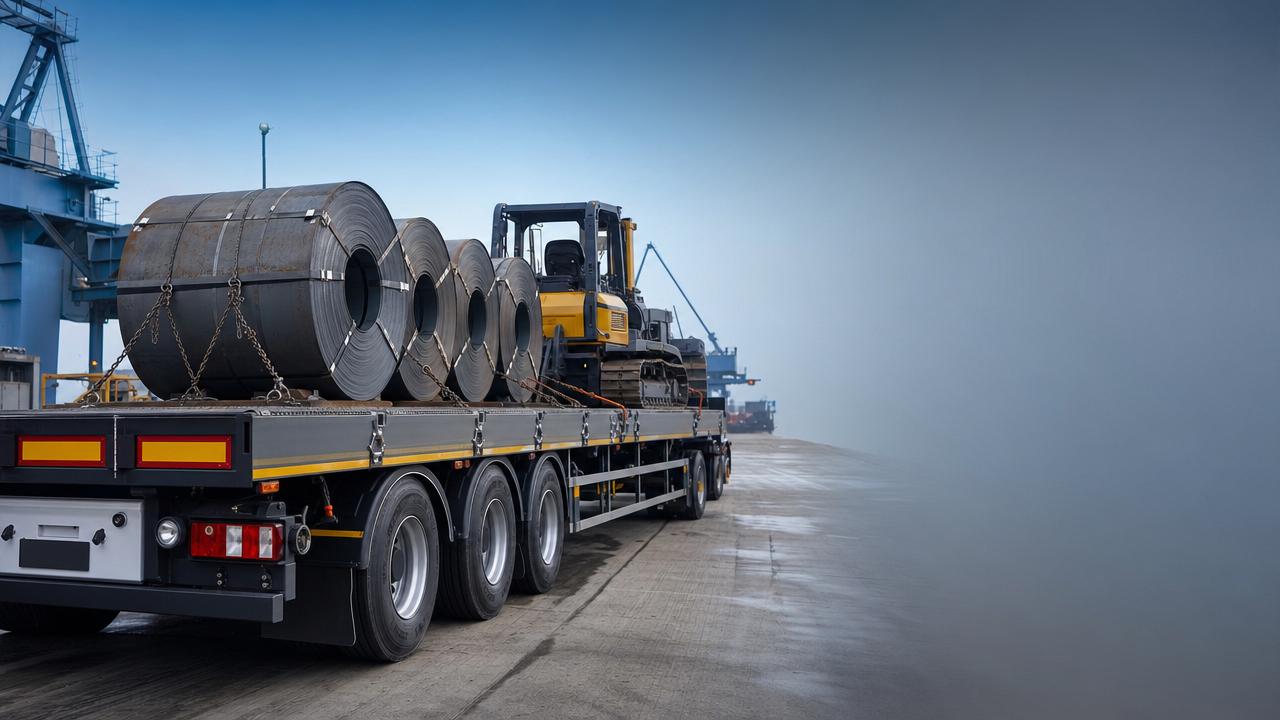
Choosing the right Flatbed Semi-Trailer requires more than checking dimensions or price. For technical evaluation, load rating, deck structure, axle layout, and frame strength must be reviewed together. A trailer that looks similar on paper can perform very differently under concentrated equipment loads, rough site access, or long-distance highway operation. This guide explains how to compare a Flatbed Semi-Trailer in a practical way, so the final decision supports safety, transport efficiency, and long service life in engineering vehicle applications.
Why a Checklist Matters When Comparing a Flatbed Semi-Trailer
A structured checklist reduces errors caused by focusing on one visible specification. Maximum payload alone does not show whether the deck can handle point loads, whether the suspension matches road conditions, or whether the kingpin area has enough reinforcement.
In engineering transport, a Flatbed Semi-Trailer often carries steel, machinery, precast elements, pipes, or containers. These cargo types create different force paths. Good comparison must link cargo shape, loading method, and route conditions with trailer design.
A checklist also improves supplier communication. It turns a general inquiry into measurable questions about beam section, floor thickness, axle brand, landing gear capacity, tire specification, and legal gross combination limits.
Core Checklist for Load Capacity and Deck Design
- Define the real cargo profile first, including total weight, load concentration, center of gravity, loading equipment, and whether cargo sits evenly or creates heavy point pressure.
- Check the rated payload against axle arrangement, tire load index, suspension type, and local road regulations, not only the catalog number printed for the Flatbed Semi-Trailer.
- Measure deck length, usable width, deck height, and rear overhang to confirm loading clearance, bridge access, and stability during turns or uneven ground entry.
- Review main beam dimensions, flange thickness, web thickness, and steel grade because beam structure determines fatigue resistance and bending performance under repeated heavy transport cycles.
- Inspect crossmember spacing and floor support density to verify whether the deck can resist local deformation from forklifts, tracked equipment, or narrow-base industrial machinery.
- Compare deck material options such as checkered steel plate, hardwood, or mixed structures based on abrasion resistance, repair convenience, cargo grip, and moisture exposure.
- Confirm whether the deck is straight, drop-side compatible, or fitted with stake pockets and lashing rings for flexible securing of engineering cargo with different geometries.
- Examine the kingpin area, gooseneck structure, and front bolster reinforcement because these zones face high stress during braking, cornering, and poor-road articulation.
- Verify axle capacity, brake chamber configuration, ABS availability, and suspension equalization to ensure the Flatbed Semi-Trailer remains stable when fully loaded on mixed roads.
- Assess tire size and wheel specification together with expected route temperature, road surface, and service distance to avoid under-specification in heavy-duty engineering transport.
- Inspect landing gear rating and frame attachment strength because loaded parking, side slope support, and frequent uncoupling can damage weak front support systems.
- Request welding details, corrosion protection process, and paint or blasting standard since structural quality and rust resistance strongly affect lifecycle cost and resale value.
How to Read Load Capacity Correctly
Load capacity should be read as a system value. It depends on trailer tare weight, axle group rating, tire limits, fifth wheel compatibility, and legal operating rules. A higher nominal figure does not always mean higher usable payload.
The key technical question is how weight is distributed. A 30-ton evenly spread cargo is different from a 30-ton excavator with track contact concentrated on short deck zones. The second case requires stronger local deck support.
How Deck Design Changes Performance
Deck design affects loading speed, cargo securing, frame stress, and operating safety. A lower deck improves stability and loading convenience, but it can reduce ground clearance for rough access roads and construction entrances.
For a Flatbed Semi-Trailer, deck strength is not only about floor thickness. Crossmember layout, beam tie-in, and side rail reinforcement decide whether the platform remains flat after years of repeated loading cycles.
Application-Based Comparison Points
Steel, Pipe, and Structural Materials
Long steel products create line loads and require stable longitudinal support. In this scenario, compare side rail strength, anti-twist behavior, and the number and position of lashing points across the deck.
If loading is frequent by crane, deck surface damage and edge impact become common. A robust steel deck with reinforced outer frame often provides better durability than lighter configurations designed only for general freight.
Construction Machinery and Equipment
Machinery transport places concentrated loads under wheels, pads, or tracks. Compare floor plate thickness, crossmember spacing, and beam reserve strength carefully. These factors matter more than simple platform dimensions.
A Flatbed Semi-Trailer used for machinery should also be reviewed for approach angle, optional ramps, anti-slip deck finish, and suspension behavior when the machine climbs onto the platform.
Mixed Engineering Logistics
When cargo types change often, flexibility matters. Stake pockets, twist lock options, removable side protection, and multiple lashing arrangements make one trailer suitable for pallets, bundles, equipment, and site materials.
In this case, choose balanced specification rather than chasing the heaviest build. Excessive tare weight reduces legal payload and increases fuel use, especially on long international or regional transport routes.
Commonly Overlooked Risks When Evaluating a Flatbed Semi-Trailer
Ignoring Point Load Effects
Some comparisons use only total cargo mass. This can hide local deck overstress. Forklift wheels, stabilizer pads, and machine tracks can exceed floor support capacity even when total payload remains within rating.
Overlooking Route and Road Conditions
A trailer built for paved highways may fail early on quarry roads, construction detours, or port yards. Suspension travel, beam fatigue resistance, and underbody clearance must match the real operating environment.
Comparing Price Without Lifecycle Factors
Lower price may mean thinner beams, lighter crossmembers, weak paint treatment, or lower-grade components. For a Flatbed Semi-Trailer, these differences can raise repair frequency and downtime over the service period.
Missing Compliance and Compatibility Checks
Axle spacing, lighting standards, reflective markings, braking systems, and kingpin compatibility can affect registration and operation. Export projects should confirm destination rules before finalizing technical configuration.
Practical Execution Steps Before Final Selection
- List the top three cargo types and record actual unit weights, contact points, loading tools, and route conditions for each transport task.
- Request detailed drawings or specification sheets showing beam sections, floor structure, axle brand, suspension type, and lashing arrangement.
- Ask for tare weight and legal payload calculations under the destination market’s regulations instead of relying on generic export descriptions.
- Compare at least two deck designs under the same cargo scenario to identify trade-offs between flexibility, durability, and operating efficiency.
- Review after-sales support, spare parts availability, delivery lead time, and documentation capability for cross-border project execution.
A reliable export partner adds value during this stage. Shandong Livol Truck International Trade Co., Ltd. provides commercial vehicle export support with inventory resources, customization coordination, documentation handling, logistics planning, and after-sales assistance for international delivery.
With authorized access to leading Chinese commercial vehicle resources including FOTON, SHACMAN, and SINOTRUK, technical matching can be handled more efficiently when trailer and tractor requirements need to be aligned for engineering transport use.
Conclusion and Next Action
To compare a Flatbed Semi-Trailer effectively, focus on real load behavior, deck support structure, beam strength, axle and tire limits, and route-specific durability. The best choice is the trailer that matches cargo reality, not just the highest published number.
Start with a technical checklist, confirm drawings and compliance details, then compare options using actual engineering transport scenarios. That approach leads to a safer, more durable, and more cost-effective Flatbed Semi-Trailer selection.
Search Starts Here