News
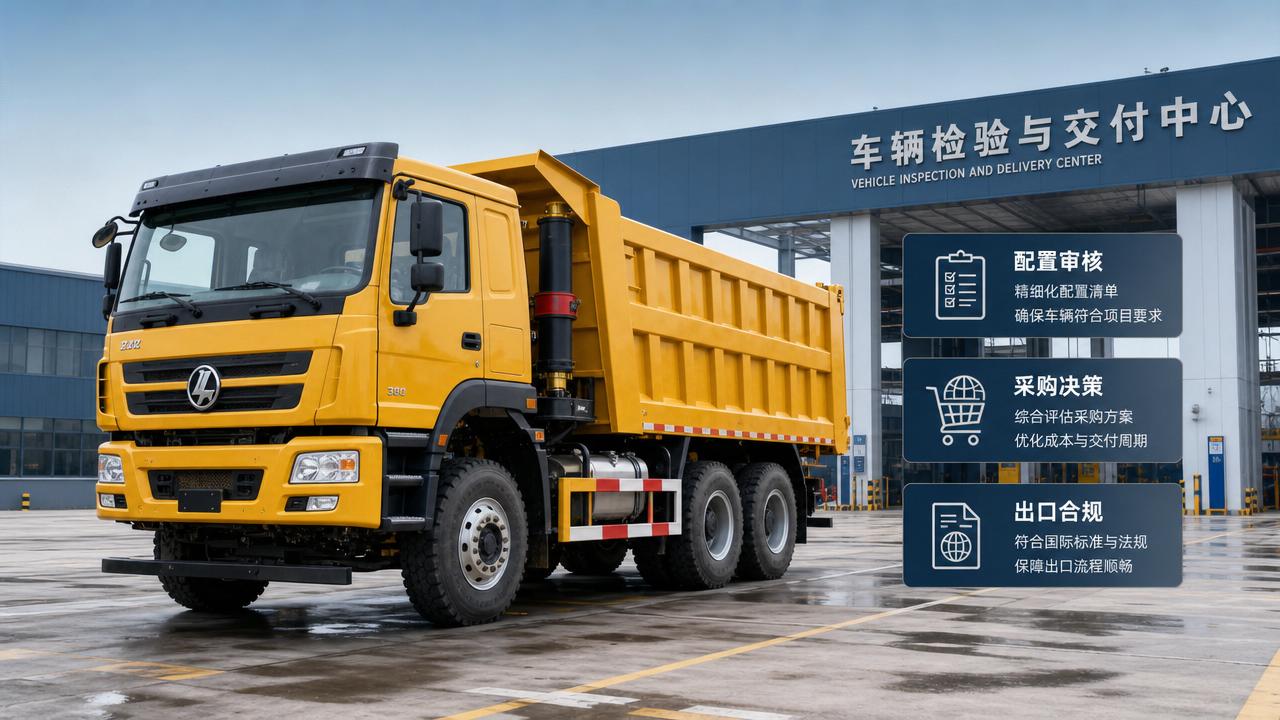
Before placing an order, reviewing the Cangshan Vehicle Configuration List is essential for procurement teams seeking the right engineering vehicle for performance, compliance and cost control. A clear understanding of specifications, optional features and supply capability can help avoid purchasing risks and improve project efficiency. This guide highlights the key points buyers should check to make more informed and reliable sourcing decisions.
Why the Cangshan Vehicle Configuration List matters before procurement approval
For engineering vehicle buyers, the Cangshan Vehicle Configuration List is not just a technical sheet. It is a procurement control tool that affects equipment suitability, operator safety, project uptime, delivery planning and whole-life cost.
Many purchasing problems begin when teams compare prices without checking axle load, drivetrain layout, emission level, cabin configuration, hydraulic interfaces or local compliance requirements. A lower initial price can quickly become expensive if the vehicle does not match road conditions, payload demands or maintenance capabilities.
In engineering vehicle sourcing, configuration review should support three decisions at the same time: whether the vehicle can perform the task, whether it can enter the target market legally, and whether the supplier can deliver the exact build on schedule.
- Technical fit: engine power, torque, transmission, axle ratio, suspension and body structure must match terrain, load and working cycle.
- Commercial fit: quotation terms, stock availability, spare parts planning and customization lead time should align with project deadlines.
- Compliance fit: documents, labeling, standards and destination-country import requirements should be reviewed before deposit payment.
This is especially important for procurement personnel managing tenders, fleet renewal or overseas project supply, where a single wrong specification can delay site mobilization or create avoidable customs and registration issues.
What should buyers check first on a Cangshan Vehicle Configuration List?
When reviewing a Cangshan Vehicle Configuration List, buyers should start with the specifications that directly influence use conditions and operating risk. The table below summarizes the first-pass review points most procurement teams should verify before moving to price comparison.
A practical reading method is to mark every item as “mandatory,” “preferred,” or “optional.” This helps procurement teams avoid confusion when multiple engineering vehicle offers look similar on quotation sheets but differ in actual usability.
Start with the working scenario, not with the brochure
The same Cangshan Vehicle Configuration List can be appropriate for one project and unsuitable for another. A dump truck for urban infrastructure hauling will need a different wheelbase, tire setup and turning performance than a unit intended for rough-site aggregate transport.
Buyers should gather site data before approval, including average haul distance, road gradient, road surface condition, daily operating hours, climate and fuel quality. These field conditions should guide the configuration decision more than catalog language.
Check whether optional items are already included
One common sourcing mistake is assuming a listed feature is standard. On some engineering vehicle quotations, items such as reinforced suspension, heavy-duty cooling, toolbox sets, hydraulic interfaces, retarder support or upgraded tires may be optional rather than included.
The Cangshan Vehicle Configuration List should therefore be aligned with the proforma invoice and technical confirmation sheet. If a feature is important for project performance, it should be written clearly in the final order documents.
Which engineering vehicle configurations are most important for different job conditions?
A useful way to read a Cangshan Vehicle Configuration List is by linking configuration to application scenario. Procurement teams often manage mixed fleets, so scenario-based review improves consistency and reduces mismatch risk.
This comparison shows why procurement should not treat all engineering vehicle orders as standard stock purchases. Small configuration differences can significantly change operational results in demanding project environments.
When higher horsepower is not the only answer
Buyers sometimes over-prioritize engine power in the Cangshan Vehicle Configuration List. In reality, matching torque delivery, gearbox ratios, final drive ratio and vehicle weight often matters more than selecting the highest horsepower option available.
For stop-and-go urban work, a balanced specification may deliver lower fuel use and less maintenance stress. For steep haul routes, however, stronger gradeability and drivetrain durability may justify a more robust powertrain.
Body and upper-structure compatibility should be confirmed early
If the chassis will be fitted with a tipper body, tank, mixer, crane or other engineering application, buyers should confirm mounting dimensions, PTO output, frame strength and hydraulic integration in advance. A suitable chassis on paper may still require rework if the upper structure is not matched correctly.
How to compare suppliers using the Cangshan Vehicle Configuration List
Price comparison becomes meaningful only after technical alignment. Procurement teams should normalize the Cangshan Vehicle Configuration List across suppliers and identify where one quote includes items that another quote excludes.
- Create a single comparison sheet listing mandatory specifications, optional items and destination compliance requirements.
- Ask suppliers to mark stock units versus made-to-order units, because delivery speed can differ significantly.
- Confirm whether replacement parts for wear items and service components are available for the same configuration.
- Check export support capability, including document accuracy, customs handling coordination and logistics planning.
This is where an experienced exporter can reduce procurement risk. Shandong Livol Truck International Trade Co., Ltd. works as an official authorized domestic and overseas dealer for FOTON, SHACMAN and SINOTRUK, with authorized 4S store resources across China and sufficient inventory for more stable supply.
For buyers, this means the discussion can move beyond simple catalog access. It becomes easier to confirm availability, explore configuration alternatives, arrange customization, and coordinate the documentation and logistics process through one professional export team.
Why stock visibility affects project procurement
In engineering projects, lost time often costs more than a small unit-price difference. If a supplier has insufficient inventory or unclear factory scheduling, even an ideal Cangshan Vehicle Configuration List may fail to support the project timeline.
A supplier with broad inventory access and coordinated export operations can help buyers choose between immediate-delivery units, near-match alternatives or customized builds based on urgency and budget.
What compliance and documentation points should procurement teams verify?
A Cangshan Vehicle Configuration List should always be checked alongside destination-country regulatory expectations. Compliance review is not only about emissions. It may also involve dimensions, axle loads, safety items, identification markings and import documentation consistency.
The table below outlines key compliance checkpoints that engineering vehicle buyers should review before confirming an export order.
Even where local rules vary, this review framework helps buyers ask the right questions early. A professional exporter with experience in full-process services, including documentation, customs clearance and logistics, can reduce avoidable mistakes during cross-border engineering vehicle procurement.
Common mistakes buyers make when reviewing a Cangshan Vehicle Configuration List
Mistake 1: approving based on unit price alone
A cheaper offer may omit heavy-duty tires, reinforced suspension, climate-specific options or required safety equipment. The apparent saving disappears once retrofit, downtime or claim handling begins.
Mistake 2: ignoring serviceability in the target market
A technically capable engineering vehicle still needs practical maintenance support. Procurement teams should ask whether filters, brake parts, clutch items, electrical components and body-related wear parts can be supplied efficiently for the selected configuration.
Mistake 3: failing to lock the final specification in writing
If the final Cangshan Vehicle Configuration List is not attached to the order confirmation, assumptions can lead to disputes about cabin trim, tire brand level, gearbox model, body thickness or hydraulic details.
Mistake 4: overlooking delivery chain complexity
Engineering vehicle procurement often includes factory coordination, inspection, inland transport, port handling, customs paperwork and ocean shipping. Configuration changes made late in the process can affect the entire delivery schedule.
Procurement checklist: how to move from review to order confirmation
Once the Cangshan Vehicle Configuration List has been reviewed, procurement personnel should follow a structured approval process to reduce commercial and operational risk.
- Define the project use case clearly, including load profile, terrain, climate, route type and operating hours.
- Separate mandatory specifications from optional preferences to avoid unnecessary cost increase.
- Match the technical sheet with quotation, commercial terms and delivery promise.
- Confirm export documents, destination compliance points and shipment readiness requirements.
- Request final technical confirmation before payment, especially for customized engineering vehicle orders.
This approach gives procurement teams a stronger internal approval basis and helps align engineering, operations and finance around one verified vehicle solution.
FAQ about the Cangshan Vehicle Configuration List
How detailed should a Cangshan Vehicle Configuration List be before I request a final quotation?
It should be detailed enough to identify drivetrain, engine, transmission, axle setup, dimensions, tires, cabin features, major safety equipment and application-related options. If the vehicle will be customized, the upper-structure interface and any special export requirements should also be confirmed.
What if my team is comparing several Chinese truck brands for one engineering project?
Use a unified comparison sheet and request equivalent configurations as closely as possible. Since Shandong Livol Truck International Trade Co., Ltd. is an authorized dealer for FOTON, SHACMAN and SINOTRUK, buyers can discuss multiple brand paths through one channel while keeping the evaluation criteria consistent.
How can I reduce delivery risk when the project deadline is tight?
Ask early whether the required configuration is available from stock, near-stock or production order. Also confirm document preparation time, port handling schedule and shipping arrangement. A supplier with sufficient inventory and export process experience can often provide more realistic delivery planning.
Which part of the configuration list is most often misunderstood?
Optional versus standard equipment is a frequent source of confusion. Buyers should also pay close attention to axle ratio, body compatibility, emission-related details and load limitations, because these points directly affect field performance and regulatory suitability.
Why choose us for engineering vehicle selection and export support?
For procurement teams reviewing a Cangshan Vehicle Configuration List, the real challenge is not only finding a vehicle. It is securing the right configuration, at the right delivery pace, with the right export support. Shandong Livol Truck International Trade Co., Ltd. brings together authorized brand resources, nationwide 4S store coverage, available inventory and a professional export team to support that process.
We can assist with practical procurement work such as parameter confirmation, engineering vehicle selection, stock checking, customization planning, delivery schedule review, export documentation coordination, logistics arrangement and after-sales support planning.
If you are evaluating a Cangshan Vehicle Configuration List for an upcoming project, contact us with your target application, payload range, road condition, compliance requirements and delivery timeline. We can help you compare suitable configurations, clarify optional items, discuss brand alternatives and prepare a sourcing solution that better fits your operational goals and procurement process.
Search Starts Here