
News
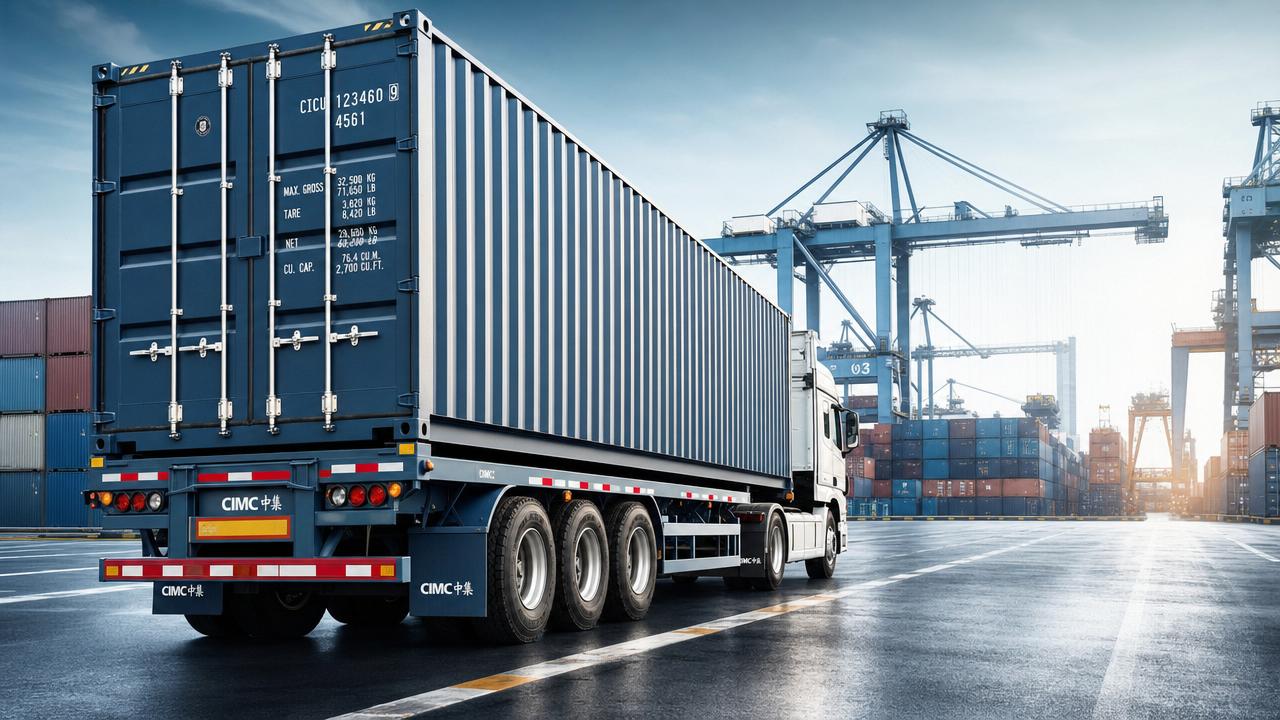
Choosing the right Skeleton (Container) Semi-Trailer is essential for efficient, safe, and cost-effective port container haulage. For procurement decisions, price alone never shows the full picture.
A trailer working between terminals, depots, highways, and inland yards faces constant loading cycles, tight schedules, and harsh operating conditions. The wrong specification can increase fuel use, tire wear, downtime, and cargo risk.
This guide explains how to evaluate a Skeleton (Container) Semi-Trailer from structure, axle layout, container compatibility, durability, and support service perspectives. The goal is better long-term fleet value, not just lower initial cost.
Basic Understanding of a Skeleton (Container) Semi-Trailer
A Skeleton (Container) Semi-Trailer is designed to transport ISO containers efficiently. Instead of a full deck platform, it uses a reinforced frame structure to support container corner castings.
This design reduces self-weight and improves payload efficiency. It also allows faster loading and unloading in ports where cranes, reach stackers, and terminal systems handle standard containers daily.
Common trailer lengths support 20ft, 40ft, 45ft, or mixed container transport. Twist locks, cross members, landing gear, suspension, and braking systems must all work together under repeated heavy-duty service.
For port operations, the ideal Skeleton (Container) Semi-Trailer should balance strength, low tare weight, maneuverability, and maintenance simplicity. That balance directly affects fleet utilization and operating margins.
Current Requirements in Port Container Haulage
Port container transport has become more demanding. Traffic congestion, tighter compliance rules, faster turnaround targets, and rising maintenance costs all influence trailer selection.
A suitable Skeleton (Container) Semi-Trailer must perform reliably under short shuttle movements and longer inland routes. The operating profile should guide every specification choice.
Core Selection Criteria for a Skeleton (Container) Semi-Trailer
Load Capacity and Structural Strength
Start with actual cargo patterns, not theoretical maximums. Container gross weight, route distance, and loading frequency determine the frame strength and axle rating needed.
Check the main beam design, steel grade, cross member spacing, and reinforcement around locking points. A stronger chassis reduces deformation, fatigue cracking, and misalignment over time.
Axle Configuration
Two-axle and three-axle designs are common for a Skeleton (Container) Semi-Trailer. The best option depends on legal payload limits, road conditions, and turning requirements.
- 2 axles: lighter, simpler, suitable for lower payload or shorter routes.
- 3 axles: better load distribution, stronger heavy-duty capability.
- Lift axle options: useful for reducing tire wear in variable load conditions.
Container Compatibility
Not every trailer suits every container combination. Confirm whether the chassis supports one 40ft container, two 20ft containers, or 45ft units where local rules permit.
Twist lock placement is critical. Poor lock geometry can slow terminal handling and create safety risks during acceleration, braking, or cornering.
Suspension and Braking System
Mechanical suspension offers durability and cost control. Air suspension can improve ride quality, reduce cargo shock, and help protect the trailer structure on uneven surfaces.
Reliable braking matters in stop-and-go port traffic. Inspect brake chamber quality, ABS compatibility, air line layout, and ease of maintenance access.
Weight Optimization
A lighter Skeleton (Container) Semi-Trailer can improve payload efficiency. However, excessive weight reduction may compromise durability if the design ignores fatigue stress and torsional loads.
Choose optimized engineering, not just thinner steel. Long service life usually delivers better total cost results than chasing the lowest tare weight.
Business Value of the Right Trailer Specification
The right Skeleton (Container) Semi-Trailer supports more than transport capacity. It improves operational stability across scheduling, maintenance planning, fuel control, and compliance management.
- Higher uptime through stronger frame integrity and dependable components.
- Lower repair frequency from better suspension, axle, and lock quality.
- Safer container retention during terminal transfer and highway movement.
- Better fuel economy when chassis weight and alignment are optimized.
- Improved fleet standardization for parts stocking and technician training.
For international buyers, supplier reliability also affects business value. Stable production, accurate documentation, and export experience reduce delays and hidden transaction costs.
Shandong Livol Truck International Trade Co., Ltd. offers integrated export support for commercial vehicles and trailer solutions. Strong supply capability and professional service can simplify cross-border procurement execution.
Typical Configuration Choices by Operating Scenario
Different haulage patterns call for different Skeleton (Container) Semi-Trailer specifications. Matching configuration to route reality prevents under-specification and over-spending.
Practical Checks Before Finalizing the Order
Before selecting a Skeleton (Container) Semi-Trailer, confirm technical details in writing. A clear specification sheet prevents disputes and avoids costly mismatch after delivery.
- Verify container sizes, gross weights, and annual operating distance.
- Check local axle-load regulations and roadworthiness standards.
- Review steel grade, beam dimensions, and welding quality records.
- Confirm axle brand, suspension type, brake specification, and tire model.
- Inspect anti-rust coating, especially for coastal and humid environments.
- Ask for spare parts availability and after-sales response commitments.
- Evaluate delivery timing, export documents, and logistics coordination ability.
Corrosion resistance deserves special attention in port service. Salt air, standing water, and frequent washing can shorten trailer life if coating quality is poor.
It is also wise to review weld finishing, hose routing, lamp protection, and rear underrun structure. These small details often reveal the true manufacturing standard.
Next Step for a Better Fleet Decision
A well-chosen Skeleton (Container) Semi-Trailer should fit actual route conditions, legal requirements, and container patterns while supporting low lifecycle cost. The best choice is always specification-driven.
When comparing suppliers, look at engineering strength, stock availability, export coordination, and after-sales capability together. These factors strongly affect delivery certainty and long-term operating performance.
Shandong Livol Truck International Trade Co., Ltd., based in Shandong, China, provides commercial vehicle export solutions backed by strong supply resources, professional service, and broad industry experience.
If you are planning a port container transport project, prepare your route data, target payload, and container mix first. Then request a matched Skeleton (Container) Semi-Trailer configuration for practical evaluation.
Search Starts Here