News
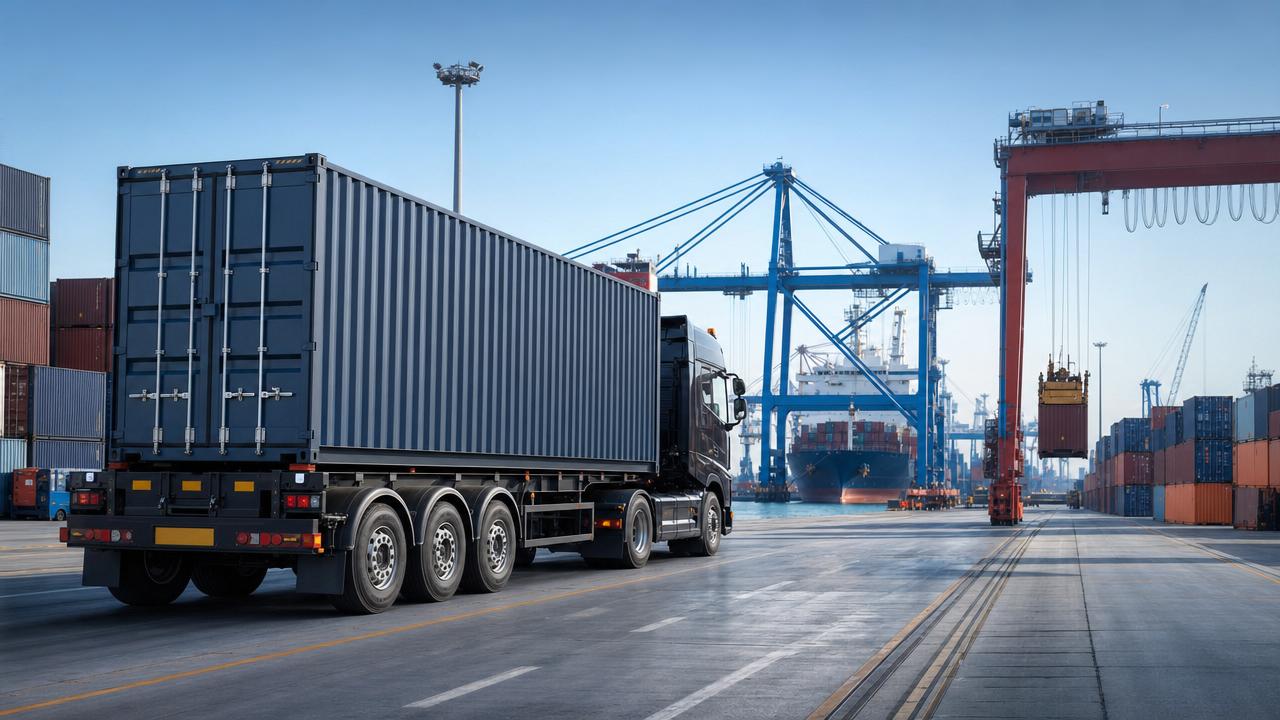
Choosing the right Skeleton (Container) Semi-Trailer is essential for efficient, safe, and cost-effective port container haulage. For procurement professionals, the ideal trailer must match container types, port operating conditions, payload requirements, and long-term maintenance expectations. This guide outlines the key factors to evaluate so you can make a reliable purchasing decision and secure equipment that supports stable transport performance and business profitability.
What should procurement teams evaluate first in a Skeleton (Container) Semi-Trailer?
A Skeleton (Container) Semi-Trailer is designed to carry ISO containers with a stripped-down frame structure rather than a full deck. In port container haulage, that structure reduces tare weight, improves loading efficiency, and supports faster turnaround between terminal, yard, warehouse, and inland destination.
For buyers in the engineering vehicle sector, the first question is not simply price. It is fit for operation. A trailer that looks cost-effective on paper can create downtime, overloading risk, poor container locking performance, and expensive axle or suspension wear within the first year.
Procurement decisions should start with three realities: what containers will be moved most often, what road and port conditions the unit will face, and what maintenance capabilities are available locally. These factors shape the correct frame design, axle arrangement, and component specification.
- Container profile: 20ft, 40ft, 45ft, empty repositioning, or mixed operations all require different layout priorities.
- Route profile: smooth terminal roads, rough access roads, steep ramps, and congestion zones place different demands on suspension and braking.
- Fleet strategy: high-frequency shuttle work needs durability and serviceability, while seasonal operations may prioritize acquisition budget.
Why the wrong specification increases hidden cost
Many procurement teams focus on nominal payload and overlook lifecycle cost. An underspecified Skeleton (Container) Semi-Trailer may suffer frame stress, twist-lock misalignment, tire irregular wear, and brake maintenance issues. These failures directly affect uptime, driver confidence, and port scheduling reliability.
In container logistics, every delay has a ripple effect. Missed loading windows, demurrage exposure, and emergency repair expenses often cost more than the original price difference between a basic trailer and a properly specified one.
Which trailer configuration suits port container haulage best?
There is no single best Skeleton (Container) Semi-Trailer for every port operation. The right choice depends on container mix, legal axle load limits, yard maneuvering space, and expected trip distance. Procurement teams should compare configurations based on actual dispatch patterns, not generic catalogs.
The table below outlines common trailer selection paths for port container haulage and shows how operating conditions can influence purchasing priorities.
The comparison shows that trailer selection must follow the operating scene. A multi-purpose fleet may benefit from flexible lock layouts, while dedicated haulage routes often justify a more specialized and durable design for repeatable performance.
2-axle or 3-axle: which one makes sense?
A 2-axle Skeleton (Container) Semi-Trailer may support lighter duty work, empty container repositioning, or regions with different legal load structures. A 3-axle unit is more common in mainstream port-to-road container transport because it offers better load distribution and wider compliance adaptability.
However, more axles do not automatically mean better procurement value. If routes are short, cargo weights are moderate, and maneuverability is critical, over-specification can increase tire and maintenance cost without improving return on investment.
Which technical parameters matter most before you place an order?
Technical review should go beyond brochure claims. Procurement teams need a structured checklist to compare Skeleton (Container) Semi-Trailer options from different suppliers. The most important parameters are the ones that influence legal use, container compatibility, durability, and service cost.
The table below summarizes key technical points that buyers should confirm during quotation comparison and factory communication.
This parameter review helps buyers ask better questions. It also reduces the risk of comparing quotations that look similar but are based on different structural assumptions, component grades, or maintenance expectations.
Mechanical suspension or air suspension?
Mechanical suspension is widely chosen for demanding road conditions and cost-sensitive fleets. It is simpler, more familiar to many workshops, and often easier to maintain in regions where spare parts support for advanced systems is limited.
Air suspension can improve ride quality, cargo stability, and certain regulatory or operational requirements, especially on higher-standard roads. But procurement teams should only select it when route quality, maintenance capability, and total ownership planning support that decision.
How do port conditions and compliance requirements change trailer selection?
Port container haulage is not just a transport question. It is an operating environment question. Tight turning space, frequent docking, stop-start movement, salt exposure, uneven pavement, and local transport regulations all influence the most suitable Skeleton (Container) Semi-Trailer specification.
- If port roads are congested and drivers must reverse frequently, trailer geometry and lock visibility become practical safety factors.
- If the region has strict axle load enforcement, load distribution planning must be built into the selection stage, not handled later.
- If the operating zone has corrosive coastal conditions, paint process, anti-rust treatment, and exposed component protection deserve closer review.
What standards and documents should buyers check?
Requirements vary by destination market, but procurement teams typically need to review dimensions, axle ratings, braking configuration, lighting compliance, and registration suitability. Container trailer buyers should also confirm documentation support for export, customs processing, and destination clearance.
A capable exporter can make a major difference here. Shandong Livol Truck International Trade Co., Ltd. supports customers through vehicle selection, customization, documentation, customs clearance, and logistics coordination, helping reduce delays caused by mismatched specifications or incomplete shipping paperwork.
How can procurement teams compare cost beyond the purchase price?
The acquisition price of a Skeleton (Container) Semi-Trailer is only one part of the budget. Serious procurement analysis should include maintenance frequency, tire consumption, brake wear, expected service life, dispatch flexibility, and downtime cost during peak operations.
The table below offers a practical cost comparison framework that buyers can use when discussing quotations with suppliers and internal management teams.
This comparison highlights a key procurement principle: low purchase price does not automatically mean low total cost. For port fleets working under time pressure, a better-matched Skeleton (Container) Semi-Trailer can produce stronger long-term value through stability and reduced disruption.
When is customization worth considering?
Customization becomes valuable when standard specifications do not fully match route restrictions, container mix, tractor head pairing, or local compliance needs. It may involve lock arrangement, frame reinforcement, axle brand preference, lighting layout, or corrosion protection measures.
For procurement personnel, customization should remain practical and measurable. Every change should answer a real operational problem, reduce risk, or improve lifecycle efficiency. Unnecessary changes can slow delivery and complicate after-sales parts support.
What common purchasing mistakes should buyers avoid?
Even experienced buyers can make avoidable errors when sourcing a Skeleton (Container) Semi-Trailer, especially when they rely too heavily on generic specifications or price-only comparison. Port haulage has enough operational complexity that shortcuts often become expensive later.
- Ignoring local axle load rules and registration requirements before finalizing the configuration.
- Choosing a lock layout that does not fit the actual ratio of 20ft and 40ft containers in daily operations.
- Overlooking service parts supply for axles, brakes, suspension components, and landing gear.
- Assuming all skeleton trailers with similar dimensions have the same frame durability and corrosion resistance.
- Failing to align delivery schedule with shipping, customs documents, and project startup deadlines.
A disciplined procurement process should include technical clarification, commercial review, document confirmation, and delivery planning. This is especially important in international purchasing, where a delay in one link can affect the entire equipment deployment schedule.
FAQ about buying a Skeleton (Container) Semi-Trailer
How do I know whether I need a standard or customized Skeleton (Container) Semi-Trailer?
Start with your container mix, road condition, legal load limit, and tractor head pairing. If standard dimensions and lock positions already match your operation, a standard unit may be enough. If you face route restrictions, unusual cargo frequency, or specific market compliance needs, customization is usually justified.
What should be prioritized for port container haulage: lower tare weight or stronger structure?
It depends on the duty cycle. Lower tare weight can improve payload efficiency, but only if the frame still handles repetitive loading and road stress. For high-frequency port operations, structural balance is usually more important than chasing the lowest possible empty weight.
What is the most practical way to compare suppliers?
Compare them on technical clarity, component transparency, export handling capability, delivery coordination, and after-sales response, not only unit price. A supplier that can support specification review, documentation, customs procedures, and logistics often reduces overall procurement risk.
Why does exporter capability matter when buying trailers?
A strong exporter helps connect factory production, inventory planning, document accuracy, shipping arrangements, and destination communication. This matters when procurement deadlines are tight or when multiple vehicle and trailer units must arrive in sequence for project deployment.
Why work with Shandong Livol Truck International Trade Co., Ltd. for your trailer sourcing plan?
For procurement professionals, supplier strength is part of equipment quality. Shandong Livol Truck International Trade Co., Ltd., based in Shandong, China, brings practical export capability, stable supply support, and experience in commercial vehicle coordination. This is valuable when your Skeleton (Container) Semi-Trailer purchase must align with project timing and operational accuracy.
As the official authorized domestic and overseas dealer for FOTON, SHACMAN, and SINOTRUK, and with a large number of authorized 4S stores across China, the company is positioned to support customers with reliable vehicle resources and inventory-based delivery responsiveness. That supply foundation helps reduce uncertainty in commercial vehicle procurement planning.
Its professional export team provides full-process support covering vehicle and trailer selection, customization discussion, documentation preparation, customs clearance, and logistics arrangement. For buyers managing container transport projects, this integrated process can simplify coordination and lower execution risk.
- Need help confirming the right Skeleton (Container) Semi-Trailer configuration for 20ft, 40ft, or mixed container transport?
- Need to compare structural options, suspension types, or route-based specifications before requesting quotation?
- Need clarification on delivery lead time, export documents, customs coordination, or logistics planning?
- Need to discuss customization, spare parts planning, or matching solutions with tractor units from major Chinese commercial vehicle brands?
If these points match your current sourcing task, contact Shandong Livol Truck International Trade Co., Ltd. with your target container type, operating route, expected payload, destination market, and timeline. A focused discussion around parameters, configuration, delivery schedule, compliance needs, and quotation details will help you move from broad comparison to a purchase decision that supports real port haulage performance.
Search Starts Here