
News
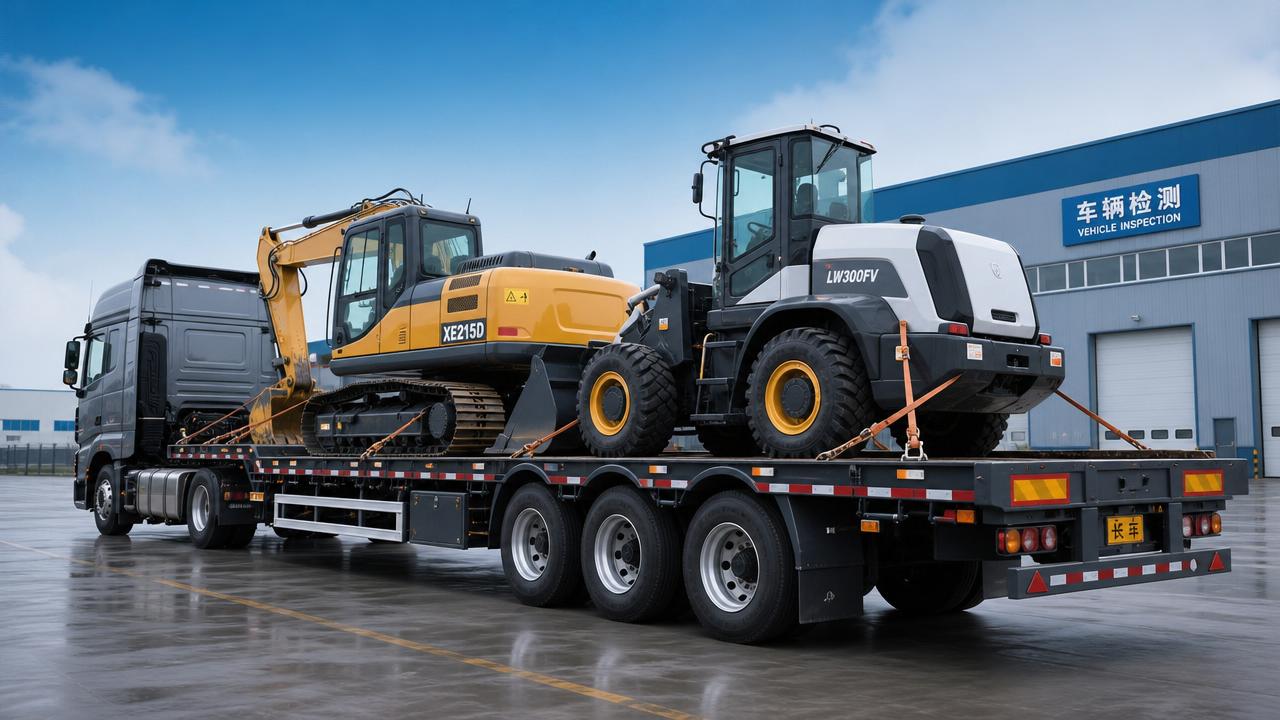
For quality control and safety management teams, understanding Flatbed Semi-Trailer load limits is essential to reducing transport risks and ensuring regulatory compliance. From axle capacity and deck strength to cargo distribution and gross vehicle weight, every specification directly affects road safety, vehicle lifespan and operational efficiency. This article outlines the key technical factors that help prevent overload issues and support safer, more reliable freight operations.
What does the load limit of a Flatbed Semi-Trailer actually include?
A Flatbed Semi-Trailer load limit is more than one number on a plate. It combines structural, legal and operational restrictions.
The most common reference is payload capacity. This means the maximum cargo weight the trailer can carry safely.
However, payload alone does not define safe loading. Road safety also depends on axle ratings, tire limits, frame strength and kingpin load.
A Flatbed Semi-Trailer must also comply with local gross combination weight rules. Legal limits can be lower than the trailer’s design capacity.
Key specifications usually include:
- Gross Vehicle Weight Rating or GVWR
- Axle load rating
- Suspension capacity
- Tire and wheel load index
- Deck point load and distributed load capacity
- Fifth wheel and kingpin loading limits
Ignoring any one of these figures can create instability, braking issues or frame fatigue. That is why a proper Flatbed Semi-Trailer assessment always uses the full specification set.
Which technical specs have the biggest impact on road safety?
Several specifications directly influence whether a Flatbed Semi-Trailer stays stable during acceleration, turning and emergency braking.
1. Axle capacity
Axle capacity determines how much weight each axle assembly can carry. Exceeding it increases bearing stress, brake heat and tire failure risk.
Even if total cargo weight seems acceptable, one overloaded axle can make the Flatbed Semi-Trailer unsafe and non-compliant.
2. Deck strength
Deck strength matters when transporting machinery, steel coils or concentrated construction equipment. Point loads can damage flooring and cross members.
A Flatbed Semi-Trailer designed for evenly spread cargo may not safely handle heavy equipment with narrow contact points.
3. Kingpin and fifth wheel loading
Poor front-to-rear balance can overload the tractor connection. This affects steering response, coupling safety and front axle behavior.
When kingpin weight is too low, trailer sway becomes more likely. When too high, tractor axles may exceed legal limits.
4. Tire and suspension matching
Tires and suspension must support the actual operating load, not just the catalog rating. Heat buildup and uneven wear often start here.
For engineering vehicle transport, rough roads and repeated loading cycles make proper matching even more important.
How does cargo distribution change the safe load of a Flatbed Semi-Trailer?
Cargo distribution is often the deciding factor between a safe trip and an overload violation. The same cargo weight can behave very differently.
If cargo is placed too far forward, kingpin load rises sharply. If placed too far back, rear axles may overload and trailer sway can increase.
Side-to-side imbalance is another hidden hazard. It raises rollover risk during cornering and creates uneven tire loading.
For a Flatbed Semi-Trailer carrying equipment, securement points should support both restraint and balance. Lashing alone cannot correct poor load placement.
Practical distribution guidelines include:
- Confirm cargo center of gravity before loading.
- Match heavy items with reinforced deck zones.
- Check axle group loads after positioning.
- Keep left and right weight as even as possible.
- Recheck after securing, because tie-down tension can shift position slightly.
A well-configured Flatbed Semi-Trailer should support predictable load planning. Clear dimensional data and load maps improve daily safety control.
How can load limits differ between trailer designs and transport tasks?
Not every Flatbed Semi-Trailer is built for the same job. Structural design changes capacity, durability and legal suitability.
Standard flatbed vs heavy-duty flatbed
A standard Flatbed Semi-Trailer suits pallets, pipes, building materials and general cargo. It balances payload, versatility and operating cost.
A heavy-duty version usually has stronger beams, thicker deck materials and reinforced suspension. It is better for engineering equipment and dense loads.
Two-axle vs three-axle layouts
More axles usually improve weight distribution and legal carrying ability. They can also reduce per-axle stress on poor roads.
But additional axles increase tare weight and maintenance complexity. Capacity should be matched with route and cargo profile.
Steel deck vs timber deck
Steel decks often support harsh-duty loading and abrasion. Timber decks may provide better friction for some cargo types.
The right Flatbed Semi-Trailer depends on whether the priority is machinery transport, mixed freight or long-distance general haulage.
What are the most common overload mistakes and how can they be avoided?
Many overload cases do not come from obvious neglect. They often result from incorrect assumptions about cargo, route or equipment rating.
Mistake 1: Using nominal capacity as the real working limit
Catalog capacity may not reflect road restrictions, accessories, tare changes or uneven loading. Real operating limits are often lower.
Mistake 2: Ignoring accessory weight
Ramps, toolboxes, side posts, spare tires and extra securing gear all reduce net payload on a Flatbed Semi-Trailer.
Mistake 3: Failing to weigh axle groups
Total gross weight can look acceptable while one axle group remains overloaded. This is a frequent cause of fines and tire failures.
Mistake 4: Overlooking dynamic loading
Braking, potholes and uneven terrain create impact loads above static weight. Engineering vehicle routes make this risk more severe.
To avoid these problems, build a repeatable checklist:
- Verify trailer plate data and inspection status
- Measure actual cargo weight
- Check point load impact on the deck
- Confirm axle distribution after loading
- Review route-specific legal weight limits
How should a Flatbed Semi-Trailer be selected for safer long-term operation?
Selection should start with real transport conditions, not only advertised payload. Safe long-term performance depends on matching trailer structure to duty cycle.
Important evaluation points include cargo type, average trip distance, road quality, loading method and frequency of concentrated loads.
A Flatbed Semi-Trailer used in engineering vehicle operations should have reliable frame materials, proven axle brands and accessible after-sales support.
Documentation also matters. Clear specification sheets, homologation support and export service help reduce compliance and delivery risks.
Shandong Livol Truck International Trade Co., Ltd. provides commercial vehicle export support with strong supply capability and practical service coverage.
As an authorized dealer for FOTON, SHACMAN and SINOTRUK, the company supports vehicle selection, customization, documentation, customs clearance and logistics coordination.
This integrated approach is valuable when a Flatbed Semi-Trailer must match different markets, regulations and transport tasks.
Quick FAQ table: what should be checked before loading?
A Flatbed Semi-Trailer performs safely when load limits are understood as a complete system, not a single headline number.
Axle ratings, deck strength, cargo distribution, legal limits and route conditions all shape real operating safety.
Before the next shipment, review specification data, verify weight distribution and confirm whether the trailer matches the cargo profile.
For projects requiring dependable export supply and tailored commercial vehicle solutions, further technical consultation can help identify the right Flatbed Semi-Trailer configuration.
Search Starts Here