
News
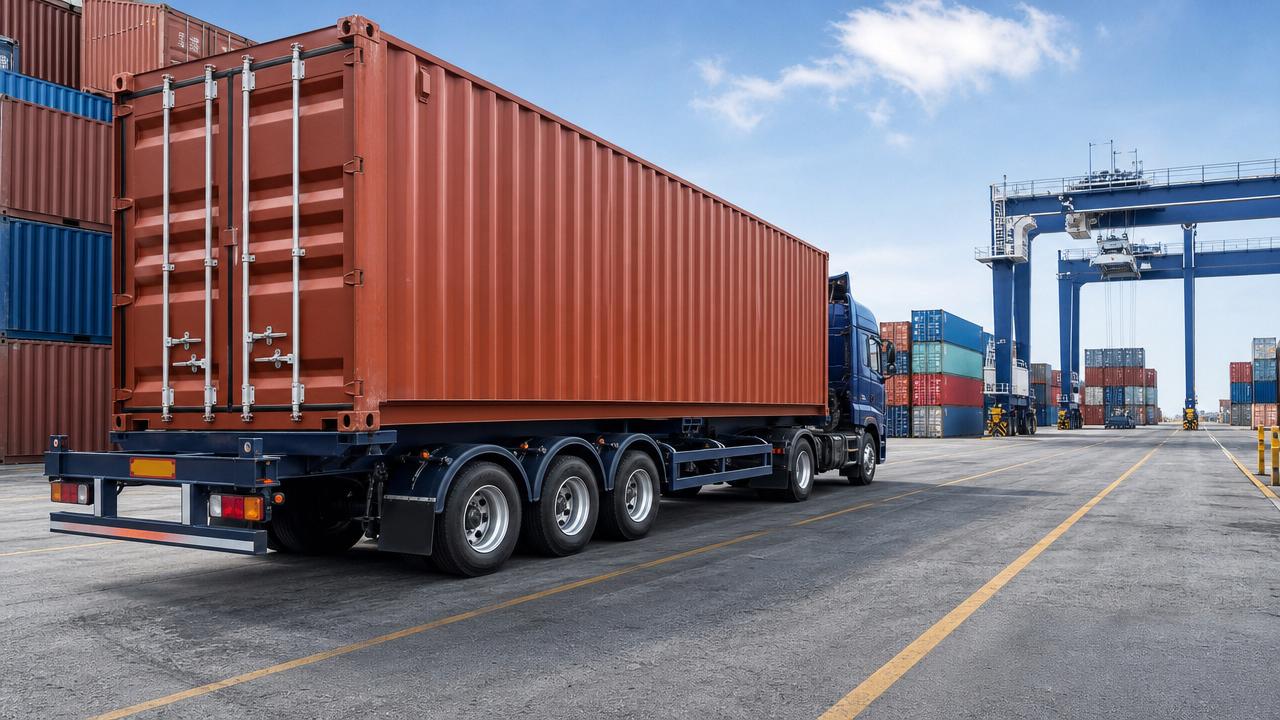
Choosing the right Skeleton (Container) Semi-Trailer is critical for efficient port and yard operations, especially for buyers focused on durability, payload capacity and long-term operating cost. From container compatibility to axle configuration and structural strength, every detail affects transport efficiency and fleet performance. This guide will help procurement professionals evaluate key factors and select a trailer solution that supports reliable, high-frequency container handling.
What makes a Skeleton (Container) Semi-Trailer suitable for port and yard operations?
A Skeleton (Container) Semi-Trailer is designed to transport ISO containers efficiently by using a reinforced chassis frame rather than a full cargo platform. In ports, terminals, logistics yards and intermodal transfer areas, this structure offers a practical balance between tare weight, loading efficiency and container stability. For procurement teams, the real question is not simply whether a trailer can carry a container, but whether it can withstand repetitive loading cycles, rough yard surfaces and demanding dispatch schedules.
Compared with general flatbed transport, container trailer selection in port operations is more sensitive to twist lock reliability, frame rigidity, axle load distribution and turning performance. Yard routes are often short but intense. Vehicles stop, queue, reverse, dock and re-enter circulation constantly. That means fatigue resistance and uptime matter more than headline specifications alone.
- Frequent container loading and unloading requires secure lock systems and stable frame geometry.
- Uneven ground, potholes and ramp transitions increase stress on cross members, suspension and landing gear.
- High daily trip frequency amplifies maintenance cost if axle, tire and brake specifications are undersized.
- Mixed container handling, such as 20ft, 40ft or one 20ft plus center-of-gravity variation, demands a flexible layout.
For buyers in the engineering vehicle and commercial transport sector, the best Skeleton (Container) Semi-Trailer is the one matched to actual operating conditions, not the one with the lowest initial price.
Which operating scenarios should guide your trailer selection?
Procurement errors often happen when a trailer is chosen from a catalog without mapping it to real duty cycles. Port and yard operations vary widely. Some fleets run only within terminal boundaries at moderate speed. Others move containers between ports, depots, bonded yards and inland hubs. The correct Skeleton (Container) Semi-Trailer configuration should reflect route length, road quality, container mix and local payload regulations.
The table below can help buyers connect use cases with more practical trailer selection logic.
This comparison shows why application-based selection is essential. A trailer optimized for terminal-only use may not be the best choice for mixed on-road distribution. Procurement teams should define routes, payload patterns and maintenance conditions before requesting quotations.
Common container types and handling patterns
Container handling is not uniform. Some operators mainly transport 40ft containers, while others require flexibility for 20ft, 40ft and sometimes different weight distributions. A mismatch between locking position and actual load pattern can create handling inefficiency and uneven stress on the frame.
- 20ft heavy container transport usually demands careful center-load support and suitable axle placement.
- 40ft container movement requires stable longitudinal frame strength and consistent lock alignment.
- Multi-purpose fleets often benefit from adaptable locking arrangements and a robust structural layout.
What technical specifications should procurement teams check first?
When evaluating a Skeleton (Container) Semi-Trailer, buyers should start with structural and mechanical fundamentals. Cosmetic finish is secondary. The key is to confirm whether the trailer can operate safely, legally and economically under repeated commercial use.
Core technical points that affect performance
- Frame material and beam design. High-strength steel and sound welding quality improve structural durability in repetitive yard work.
- Axle configuration. Two-axle or three-axle layouts should match local regulations, gross vehicle weight and road profile.
- Suspension type. Mechanical suspension is often valued for simplicity, while air suspension may help cargo stability and road compliance in some markets.
- Brake system. Reliable braking response is essential in stop-and-go terminal traffic and on sloped yard exits.
- Twist lock arrangement. Lock quantity and position must align with container size and loading requirements.
- Landing gear and rear structure. These components face frequent impact and must resist deformation during loading operations.
The following table summarizes the procurement value of major parameters commonly discussed in container trailer selection.
For most procurement professionals, this technical checklist is more useful than a generic brochure. It helps identify whether a supplier understands application-specific requirements rather than only standard factory output.
How do you compare different Skeleton (Container) Semi-Trailer configurations?
Not every fleet needs the same configuration. A lower tare weight may improve payload efficiency, but a heavier reinforced frame may reduce downtime in severe yard conditions. Procurement teams should compare configurations through lifecycle value, not single-point price.
Practical comparison logic for buyers
- If your operation is high-frequency and impact-heavy, prioritize frame strength and component durability over the lightest chassis option.
- If your fleet runs mixed port and highway routes, braking, suspension balance and legal compliance become more important than terminal-only maneuverability.
- If spare parts lead time is a concern, use standardized components that are easier to source locally or through your exporter.
- If dispatch pressure is high, supplier inventory and documentation capability can be as important as product design.
A good supplier should explain the trade-offs between structural reinforcement, payload, maintenance intervals and purchase budget. This is especially important in engineering vehicle procurement, where operational intensity quickly exposes weak specification decisions.
What procurement risks are most often overlooked?
Many buyers focus on headline payload and price, then discover hidden problems after delivery. A Skeleton (Container) Semi-Trailer may appear suitable on paper but still underperform if key details were not confirmed during procurement.
Frequent purchasing mistakes
- Ignoring actual road and yard surface conditions. This can lead to premature wear on suspension, tires and frame connections.
- Overlooking local transport regulations. Axle count, spacing and legal gross weight can affect registration and operating cost.
- Failing to confirm container mix. A trailer optimized for one container size may reduce flexibility and create future dispatch constraints.
- Underestimating parts and service support. Downtime can erase any savings from a low purchase price.
- Not clarifying delivery scope. Buyers should confirm whether documents, customs support, shipping arrangements and spare parts packages are included.
For international buyers, export process reliability is also a major risk factor. Product quality matters, but smooth coordination on specifications, packing, customs clearance and shipping schedules is what turns a purchase order into an on-time deployment plan.
How should buyers evaluate total cost instead of purchase price alone?
The purchase price of a Skeleton (Container) Semi-Trailer is only one part of the investment. Procurement professionals should look at lifecycle cost over several years, especially in port and yard operations where usage intensity is high and small maintenance issues can become recurring expenses.
The table below highlights the main cost factors that should be reviewed before final selection.
This is why experienced buyers request not only quotation sheets, but also component details, spare parts plans and delivery commitments. A slightly higher-spec trailer may produce lower cost per operating cycle if it reduces repairs and keeps equipment available during peak periods.
Which standards, compliance points and export details should be reviewed?
For international procurement, technical suitability must be supported by practical compliance review. Requirements differ by market, but buyers should always confirm local registration rules, axle and dimension limits, lighting and reflective marking requirements, and any documentation needed for import clearance.
Key compliance checks before order confirmation
- Confirm local laws on permissible axle load, overall length and gross combination weight.
- Check whether specific brake, lamp or conspicuity requirements apply in the destination market.
- Review container lock arrangement against the planned transport profile and standard container dimensions.
- Clarify export documents, packing lists, invoices and customs support requirements before production starts.
Because overseas purchases involve both equipment and process, supplier coordination capacity matters. Buyers benefit from working with an exporter that can align technical specifications with shipping documentation and delivery execution.
How can Shandong Livol support more efficient trailer procurement?
For buyers seeking a reliable Skeleton (Container) Semi-Trailer sourcing partner, Shandong Livol Truck International Trade Co., Ltd. offers advantages that address both product and transaction risks. Based in Shandong, China, the company has solid commercial vehicle export experience and a practical understanding of fleet procurement needs in international markets.
As the official authorized domestic and overseas dealer for FOTON, SHACMAN and SINOTRUK, Shandong Livol works within a strong commercial vehicle supply network. Its authorized 4S store presence across China and sufficient inventory help support stable supply and faster response to delivery schedules, which is especially valuable when projects require coordinated truck and trailer procurement.
What procurement teams can expect
- Vehicle and trailer selection support based on operating scenario, route condition and target payload.
- Customization discussion covering axle layout, structural preferences, locking arrangement and practical export packaging considerations.
- Full-process coordination including documentation, customs clearance and logistics planning.
- Professional follow-up that helps reduce communication gaps between technical selection and overseas delivery execution.
For procurement personnel, this integrated service model can reduce the time spent aligning multiple parties and improve confidence in delivery, especially when purchasing for ports, depots, logistics contractors or engineering transport fleets.
FAQ: what do buyers usually ask about a Skeleton (Container) Semi-Trailer?
How do I choose between a two-axle and three-axle configuration?
Start with legal payload rules, container weight profile and route condition. A two-axle configuration may suit lighter or more restricted operations, while a three-axle trailer is often preferred for heavier container transport and better load distribution. The right choice depends on regulation, operating frequency and expected maintenance intensity.
Is a lightweight Skeleton (Container) Semi-Trailer always better?
Not always. Lightweight design can improve payload efficiency, but in rough port and yard conditions, excessive weight reduction may reduce structural margin and shorten service life. Buyers should balance tare weight against frame durability, duty cycle and repair cost.
What should be confirmed before placing an export order?
Confirm container sizes, target payload, local dimension and axle rules, component preferences, delivery timeline, documentation scope and shipping arrangements. It is also wise to ask about spare parts planning and after-sales communication channels before final approval.
How important is after-sales support for this type of trailer?
It is very important because the trailer works in repetitive commercial service. Even durable units need regular maintenance and occasional parts replacement. A responsive supplier helps minimize downtime, especially for fleets working under strict terminal schedules.
Why contact us for your next Skeleton (Container) Semi-Trailer project?
If you are comparing trailer options for port transfer, yard handling or inland container movement, a detailed technical discussion before ordering can prevent costly specification mistakes. Shandong Livol can support your evaluation with practical procurement communication rather than generic sales language.
You can contact us to discuss container compatibility, axle configuration, structural preferences, expected delivery cycle, export documentation, customization options and quotation details. If your project also involves tractor units, we can help coordinate matching vehicle solutions through our FOTON, SHACMAN and SINOTRUK supply resources.
For buyers who need a Skeleton (Container) Semi-Trailer that fits real operating conditions, not just catalog specifications, early consultation is the best way to reduce risk and improve fleet efficiency. Send your required container type, load range, destination market and timeline, and we can help you move from inquiry to a more accurate procurement plan.
Search Starts Here