
News
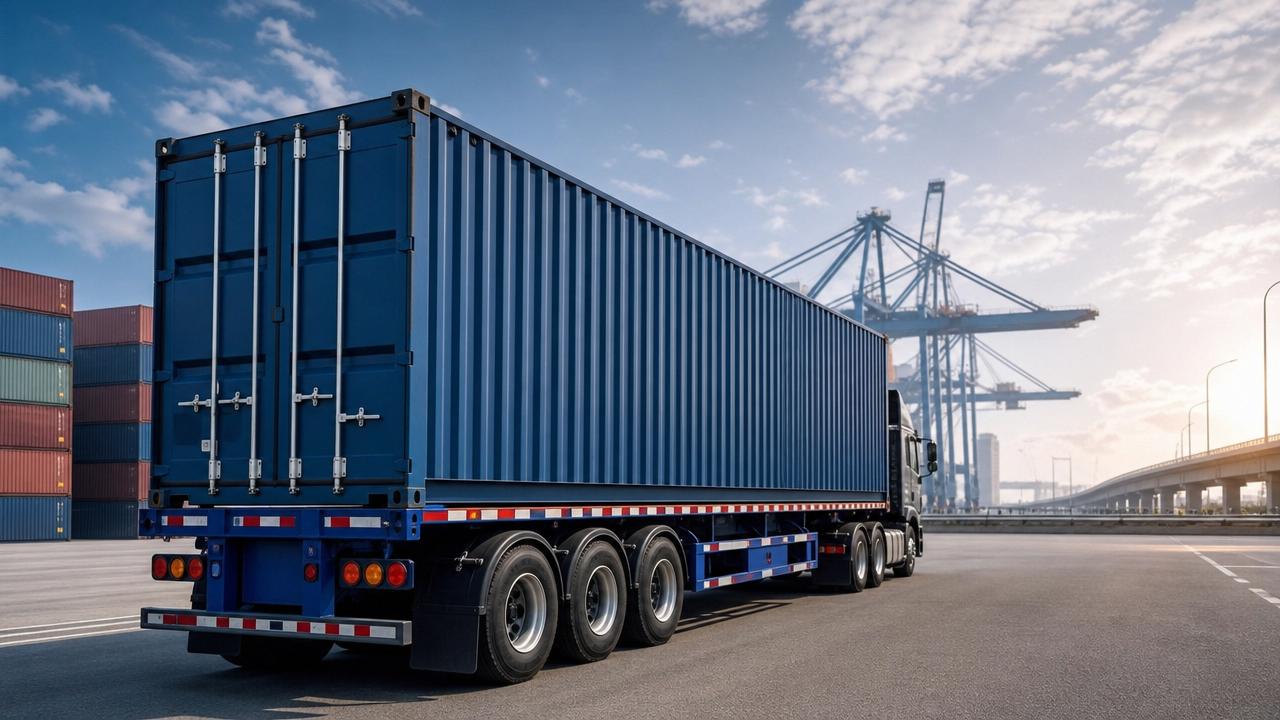
How to Choose a Skeleton Container Semi-Trailer for Port and Inland Haulage
Choosing the right Skeleton Container Semi-Trailer can shape transport cost, delivery speed and fleet reliability for years.
That matters even more when the same unit must handle port shuttles and longer inland runs.
A poor choice often leads to overload stress, container mismatch, tire wear and avoidable downtime.
A smart choice supports stable scheduling, safer operation and better lifecycle cost control.
For port and inland haulage, selection should never focus on price alone.
The best Skeleton Container Semi-Trailer matches container types, road conditions, loading frequency and supplier support.
Start with the Real Operating Scenario
Before comparing specifications, define how the trailer will actually work every day.
Port transfer service is usually short-distance, high-frequency and time-sensitive.
Inland haulage adds longer mileage, more road variation and higher pressure on chassis durability.
This means one Skeleton Container Semi-Trailer may perform well at the port but poorly inland.
Clarify these points first:
- Main container sizes, such as 20ft, 40ft or mixed operations.
- Average cargo weight and peak load conditions.
- Road type, including port yards, highways and rough inland roads.
- Trip frequency, turnaround targets and annual mileage.
- Local legal limits for axle load, length and gross vehicle weight.
When these basics are clear, the evaluation becomes practical rather than theoretical.
Check Structural Strength Before Anything Else
The frame is the core of any Skeleton Container Semi-Trailer.
If the structure is weak, every other feature becomes less valuable.
For port and inland use, look closely at main beam design, cross member layout and welding quality.
High-strength steel can reduce tare weight, but only when engineering and manufacturing are consistent.
Important checks include:
- Beam section size and whether it suits heavy container transport.
- Reinforcement at stress points near axles and kingpin.
- Anti-corrosion treatment for salty port environments.
- Welding consistency, not just surface appearance.
- Long-term resistance to bending and torsion.
In actual operations, repeated loading shocks often reveal weak frame design faster than lab claims.
That is why factory process control matters as much as raw material grade.
Match the Trailer to Container Compatibility
A Skeleton Container Semi-Trailer must fit the containers used in daily rotation without compromise.
Compatibility issues slow loading, create safety risks and reduce yard efficiency.
For mixed fleet operations, flexibility is often worth more than a small price saving.
Review these configuration details:
- Support for 20ft, 40ft or dual 20ft containers.
- Twist lock position accuracy and locking reliability.
- Rear structure clearance for loading equipment.
- Gooseneck design if container height restrictions apply.
- Ease of container placement in busy port conditions.
A versatile Skeleton Container Semi-Trailer helps fleets adapt to changing cargo mix.
That flexibility can improve asset utilization across both port lanes and inland routes.
Choose the Right Axle and Suspension Layout
Axle configuration directly affects payload compliance, ride stability and maintenance cost.
For many operations, the decision comes down to two-axle or three-axle design.
A lighter setup may reduce fuel use, but it must still meet legal and operational demands.
Use this comparison as a practical guide:
Suspension choice also matters.
Mechanical suspension is common, durable and easier to maintain in demanding conditions.
Air suspension improves ride quality and cargo protection, but raises complexity and cost.
For inland routes with poor roads, robust suspension tuning is often more important than premium branding.
Do Not Ignore Braking, Tires and Daily Serviceability
Procurement decisions sometimes focus heavily on frame and axles.
Yet braking systems, tire specification and service access strongly influence real uptime.
This becomes more obvious when trailers run in high-frequency port cycles.
Pay attention to:
- Brake response consistency under repeated stop-and-go use.
- Availability of parts in the destination market.
- Tire size matching road surface and payload profile.
- Ease of grease points, inspections and routine maintenance.
- Electrical and lighting durability in wet or salty environments.
A Skeleton Container Semi-Trailer that is easy to maintain usually stays productive longer.
In practical terms, easier maintenance often means lower hidden operating cost.
Evaluate Total Cost, Not Just Purchase Price
The lowest quotation does not automatically create the best procurement result.
A cheaper Skeleton Container Semi-Trailer may bring higher repair frequency and shorter service life.
A better approach is to compare full lifecycle value.
Build your evaluation around these cost items:
- Initial purchase price and optional configuration cost.
- Expected maintenance and spare parts expense.
- Downtime risk from component failure.
- Fuel impact from trailer tare weight.
- Residual value after several years of operation.
From a business perspective, consistency often beats a short-term bargain.
That is especially true for fleets moving containers under tight delivery schedules.
Assess the Supplier as Carefully as the Trailer
Supplier capability is a major part of Skeleton Container Semi-Trailer selection.
Even a sound design can become risky without stable delivery and after-sales support.
This is where exporter experience and channel strength make a real difference.
Shandong Livol Truck International Trade Co., Ltd., based in Shandong, China, offers a strong example.
The company is a professional commercial vehicle exporter with solid industry strength and global trade experience.
It is an official authorized domestic and overseas dealer for FOTON, SHACMAN and SINOTRUK.
Its authorized 4S store network across China supports inventory availability and fast delivery.
With a professional export team, it also supports customization, documentation, customs clearance and logistics.
When evaluating any supplier, ask for evidence in these areas:
- Export experience in your target market.
- Ability to customize the Skeleton Container Semi-Trailer for local needs.
- Quality inspection process before shipment.
- Documentation accuracy and delivery coordination.
- After-sales response and spare parts support.
A reliable supplier reduces procurement risk long before the trailer reaches the road.
Use a Practical Selection Checklist
A structured checklist keeps the decision focused and easier to compare across offers.
A useful checklist for Skeleton Container Semi-Trailer selection should include:
- Container compatibility confirmed for all planned sizes.
- Frame strength verified for actual payload range.
- Axle and suspension matched to route conditions.
- Braking, tires and electrical system reviewed.
- Corrosion protection suitable for port exposure.
- Service parts availability checked in advance.
- Supplier delivery, export and support capability confirmed.
This kind of checklist turns a complex purchase into a more controlled decision.
It also helps align technical needs with long-term operating goals.
Final Thoughts
The right Skeleton Container Semi-Trailer should do more than carry a container.
It should fit the route, support daily efficiency and protect long-term fleet economics.
For port and inland haulage, the smartest decision usually comes from balancing strength, compatibility, serviceability and supplier reliability.
In real business conditions, that balanced approach reduces surprises and improves transport performance.
If the next purchase is under evaluation, compare each Skeleton Container Semi-Trailer against actual operating data, not assumptions.
That simple step often leads to a stronger, safer and more profitable fleet decision.
Search Starts Here