
News
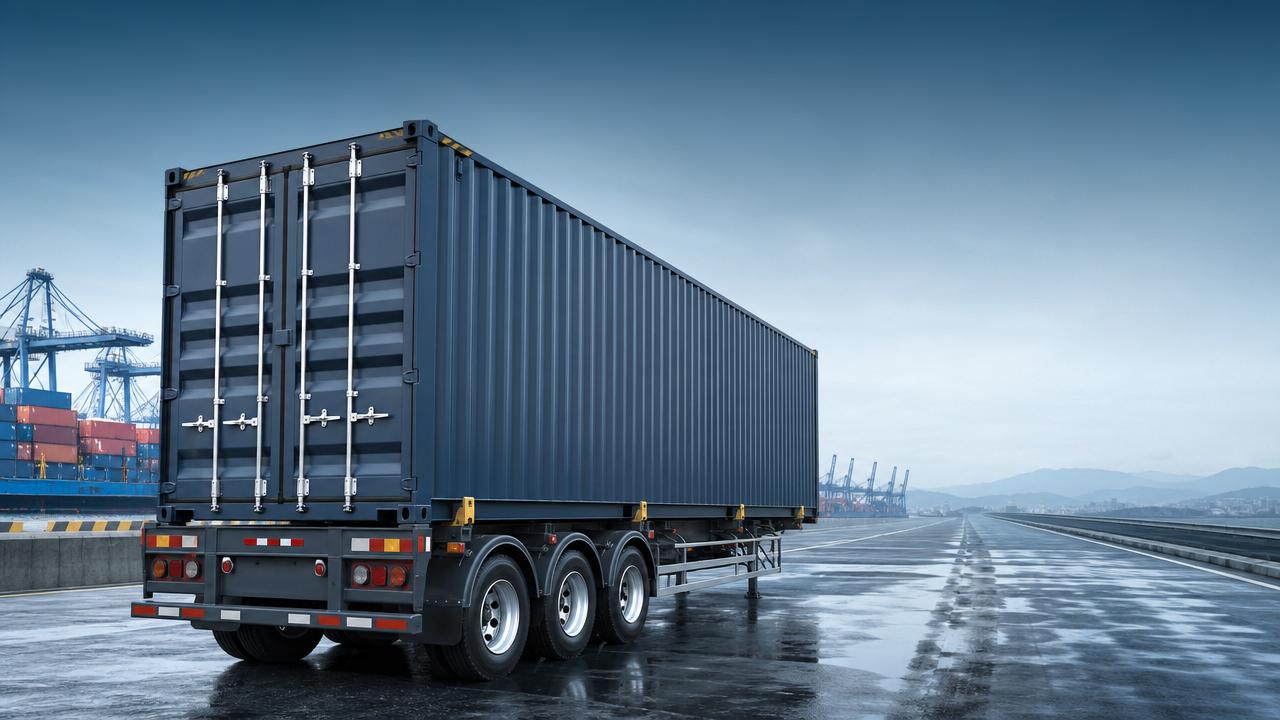
Choosing a Skeleton (Container) Semi-Trailer for port and inland haulage affects uptime, payload efficiency, driver safety and total operating cost. In demanding engineering vehicle operations, the right specification must match container types, road conditions, terminal routines and fleet maintenance capacity. A poor match can create axle overload, premature frame fatigue, tire wear and compliance problems. This guide explains how to evaluate a Skeleton (Container) Semi-Trailer with a practical checklist, so buying decisions support long service life and reliable container movement.
Why a Checklist Matters for Skeleton (Container) Semi-Trailer Selection
Port and inland transport rarely follow one fixed pattern. A trailer may shuttle short distances inside terminals one day and run loaded on rough regional roads the next. Because of this variation, buying only on price or payload claims often leads to hidden costs later.
A checklist turns technical details into measurable buying criteria. It helps compare frame design, locking systems, axle layout, brake configuration, corrosion protection and after-sales support in a structured way. For a Skeleton (Container) Semi-Trailer, that discipline is especially important because operational abuse is common.
Core Checklist for Choosing a Skeleton (Container) Semi-Trailer
Use the following points when reviewing any Skeleton (Container) Semi-Trailer for engineering transport and container haulage applications.
- Confirm container compatibility first, including 20ft, 40ft and optional 45ft handling, gooseneck requirements and the exact twist lock layout needed for daily loading patterns.
- Check chassis material grade and beam structure, focusing on high-stress areas around the kingpin, axle seats and rear overhang where cracks usually develop first.
- Match axle configuration to legal payload and road profile, choosing two or three axles based on axle load limits, turning radius and tire life expectations.
- Inspect suspension type carefully, because mechanical suspension suits harsh roads well, while air suspension improves cargo stability and may support compliance in some markets.
- Review braking specifications in detail, including ABS or EBS options, brake chamber brand, air tank capacity and parts availability for fast maintenance turnaround.
- Evaluate landing gear strength and operating ease, since frequent drop-and-hook cycles at ports can quickly expose weak support legs or low-quality gearboxes.
- Verify anti-corrosion treatment, especially blasting quality, primer thickness and topcoat durability, because port environments accelerate rust through salt, humidity and abrasion.
- Assess tare weight against structural strength, aiming for a balance that protects payload efficiency without sacrificing durability under repeated heavy container handling.
- Request details on tires, rims and spare arrangement, and avoid low-cost combinations that look attractive initially but increase downtime and replacement frequency.
- Check electrical layout and lighting protection, making sure cable routing, lamp sealing and connector standards fit wet terminals and rough inland roads.
- Confirm compliance with destination market regulations, including dimensions, reflective markings, braking standards and any local registration or inspection requirements.
- Examine supplier support capability, including stock availability, customization lead time, export documentation accuracy and after-sales response for replacement components.
Key Technical Points That Deserve Extra Attention
Frame Strength and Structural Design
The frame is the core of a Skeleton (Container) Semi-Trailer. High-tensile steel, reinforced cross-members and sound welding quality are more valuable than simply reducing tare weight. Repeated shock loading at ports can damage weak rear sections and kingpin zones quickly.
Ask for beam dimensions, steel grade and reinforcement drawings. If the trailer will run overloaded roads or uneven yard surfaces, a stronger chassis usually delivers better lifecycle cost than an ultra-light design.
Axles, Suspension and Tires
For a Skeleton (Container) Semi-Trailer, axle choice influences payload legality, ride quality and tire consumption. Three-axle trailers are common for higher payloads, while two-axle units can work efficiently for lighter or shorter-distance operations.
Mechanical suspension remains popular in rough engineering vehicle conditions because it is robust and simple to service. Air suspension may be preferred when road protection, stability or premium compliance requirements matter more.
Twist Locks and Container Security
Container fit-up problems slow loading and increase safety risk. Twist locks should align accurately, engage smoothly and resist corrosion. Adjustable locking positions are useful where mixed container sizes are carried regularly.
Poor lock quality often causes more disruption than expected. Bent locking points can delay terminal handling and create accident exposure during inland transport.
How Requirements Change by Operating Scenario
Port Shuttle Operations
In short-cycle port work, speed of coupling, landing gear durability and corrosion resistance become top priorities. Trailers face constant starts, stops, tight turns and frequent loading impacts.
For this scenario, prioritize strong support legs, protected lighting, durable paint and a frame that tolerates repeated terminal abuse over extreme lightweight construction.
Medium and Long Inland Haulage
When containers move farther inland, braking consistency, tire quality, axle reliability and fuel-related weight efficiency matter more. Road vibration and heat buildup can expose weak components over long distances.
A Skeleton (Container) Semi-Trailer for this use should balance light tare weight with stable tracking, dependable brake response and easy roadside serviceability.
Mixed Road and Industrial Conditions
Some engineering vehicle fleets move containers between ports, depots, construction zones and industrial parks. These routes punish suspensions, tires and frame joints more severely than highway-only service.
In such cases, choose reinforced structure, mechanical suspension, thicker wear areas and proven axle brands. Standard specifications may look adequate on paper but fail early in harsh mixed-duty cycles.
Commonly Overlooked Risks
Ignoring Local Regulations
A Skeleton (Container) Semi-Trailer can be technically strong yet still unsuitable if axle spacing, reflective tape, lighting layout or overall dimensions fail local rules. Always verify destination compliance before production starts.
Focusing Only on Purchase Price
Low initial pricing may hide thin paint, lower-grade steel, weak landing gear or poor brake parts. These savings often disappear through faster wear, longer downtime and more frequent repairs.
Underestimating After-Sales Support
Even a well-built Skeleton (Container) Semi-Trailer needs replacement parts and technical support. If the supplier cannot provide fast documentation, spare parts coordination or service guidance, operation continuity suffers.
Ordering Without Customization Review
Standard trailers do not always match actual tasks. Container mix, road restrictions, preferred axle brands, tire specifications and anti-rust requirements should all be reviewed before final confirmation.
Practical Buying Steps
- Define real operating conditions, including container sizes, annual mileage, road quality, legal payload and loading frequency.
- Request a detailed specification sheet for each Skeleton (Container) Semi-Trailer, not just brochure-level payload claims.
- Compare frame design, axle brand, suspension type, paint process and brake configuration side by side.
- Confirm compliance and export documentation early to avoid registration or customs delays.
- Review spare parts support, production lead time and warranty response before placing an order.
Final Selection Guidance
The best Skeleton (Container) Semi-Trailer is not simply the lightest or cheapest option. It is the trailer that fits container handling needs, survives operating conditions and remains compliant, serviceable and cost-efficient through its full working life.
Shandong Livol Truck International Trade Co., Ltd. provides commercial vehicle export support backed by strong supply capability, authorized resources for major Chinese brands and practical experience in customization, documentation, customs clearance and logistics coordination.
Before confirming any Skeleton (Container) Semi-Trailer order, prepare a requirement list covering load, route, regulation and maintenance expectations. Then match those needs to a verified technical specification and dependable export partner. That process reduces risk and improves long-term fleet performance.
Search Starts Here