
News
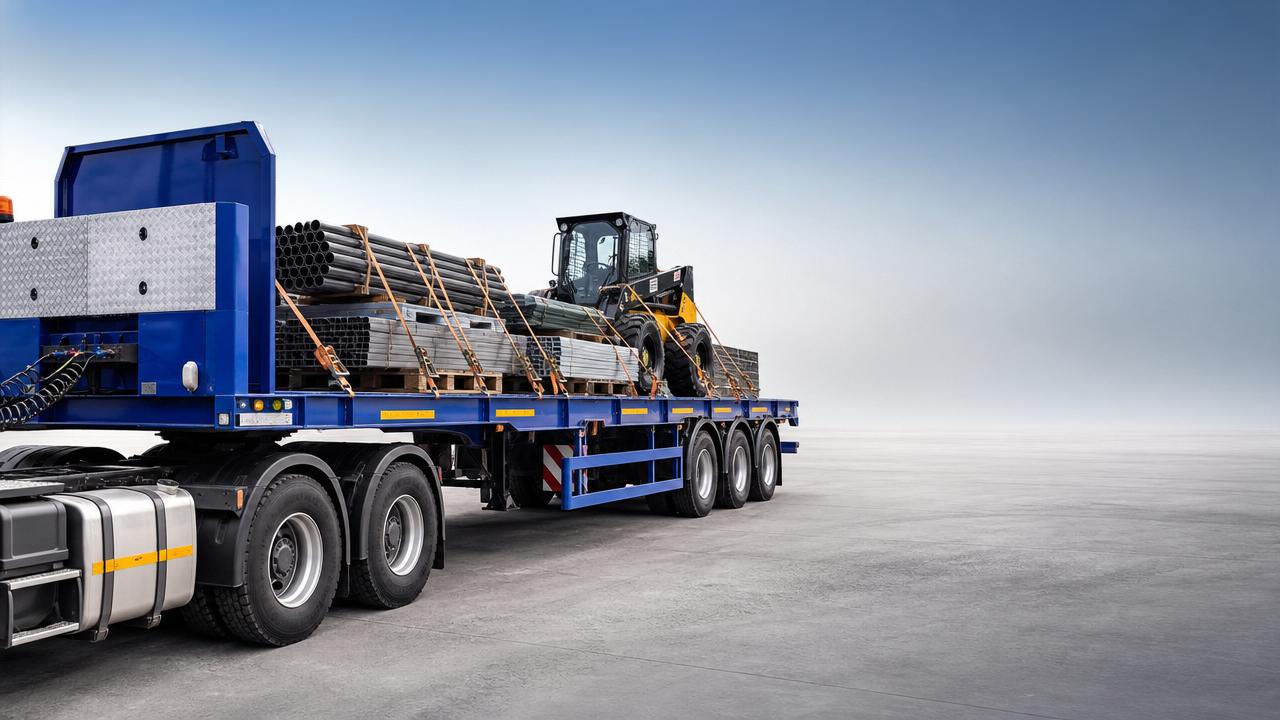
Choosing the right Flatbed Semi-Trailer is essential for operators handling mixed cargo loads safely, efficiently, and cost-effectively. From machinery and steel products to palletized goods and oversized materials, the right trailer setup can improve load stability, reduce transport risks, and increase daily productivity. In this guide, we will explain the key factors to consider so you can select a trailer that matches real working conditions and long-term operational needs.
Understanding the Role of a Flatbed Semi-Trailer
A Flatbed Semi-Trailer is designed for cargo that cannot fit inside enclosed bodies. It offers an open platform for flexible loading from the side, rear, or top.
This trailer type is widely used in engineering transport, construction logistics, industrial supply, and regional freight distribution. Its open deck supports many load shapes and dimensions.
For mixed cargo loads, flexibility alone is not enough. The trailer must also provide correct strength, proper load securing points, deck durability, and stable road performance.
A poor trailer match can cause uneven axle loads, damaged cargo, difficult loading, and avoidable downtime. A suitable Flatbed Semi-Trailer reduces these problems from the start.
What mixed cargo loads usually include
- Palletized building materials
- Steel coils, pipes, and sections
- Small construction equipment and attachments
- Timber, containers, and fabricated parts
- Oversized machinery components
Market Conditions and Current Selection Priorities
In the engineering vehicle sector, cargo diversity is increasing. Transport tasks often change daily, so one trailer may handle heavy steel today and palletized goods tomorrow.
This makes Flatbed Semi-Trailer selection more technical than before. Operators now focus on payload efficiency, compliance, durability, and lower whole-life operating cost.
Reliable exporters and authorized commercial vehicle suppliers add value here. Stable inventory, customization support, and export experience can reduce delivery and compliance risks.
Core Technical Factors to Compare
When comparing a Flatbed Semi-Trailer, focus first on load type, route condition, and frequency of use. These three factors affect every technical decision.
Trailer size and deck length
Deck length should match the real cargo mix, not only the largest item. A longer deck adds flexibility, but it may reduce maneuverability in narrow work zones.
Deck width also matters. Standard-width trailers suit general freight, while wider platforms help with equipment parts and irregular engineering materials.
Payload and axle configuration
Mixed loads often create changing weight distribution. A suitable axle setup helps support legal loading, braking balance, and tire life.
Common options include two-axle, three-axle, and specialized multi-axle layouts. Heavier routes usually need stronger suspension and better axle load distribution.
Frame strength and material quality
The frame is the structural core of every Flatbed Semi-Trailer. High-strength steel can reduce tare weight while maintaining rigidity and long-term fatigue resistance.
Check main beam design, cross-member spacing, welding quality, and anti-corrosion treatment. These details strongly influence durability under mixed cargo stress.
Deck surface and cargo contact
Different goods interact differently with the deck. Steel may need anti-slip support, while machinery may require reinforced contact zones and clear securing access.
Wood deck, steel deck, and patterned plate options each offer different durability, grip, repair convenience, and weight characteristics.
Lashing points and securing systems
A mixed-load Flatbed Semi-Trailer should have enough lashing points placed along both sides and key structural areas. This supports flexible tie-down patterns.
Cargo securing needs may include chains, straps, side stakes, twist locks, rope hooks, and winches. Choose a layout that matches daily loading practice.
Operational Value in Engineering Transport
The right Flatbed Semi-Trailer improves more than cargo movement. It supports safer operations, quicker turnaround, and better control of fleet cost.
- Faster loading and unloading with crane, forklift, or ramp support
- Lower cargo shifting risk during long-distance transport
- Better trailer utilization across varied project materials
- Reduced damage to deck, tires, and suspension
- Improved compliance with road and load regulations
In engineering logistics, one transport unit often serves several projects. A flexible Flatbed Semi-Trailer can help adapt without requiring multiple dedicated trailers.
That flexibility is valuable when delivery schedules change, cargo dimensions vary, or routes include both paved roads and active construction environments.
Typical Cargo Scenarios and Suitable Trailer Choices
Different mixed-load situations require different trailer priorities. The best Flatbed Semi-Trailer choice depends on cargo profile, not on a single general specification.
When customization becomes necessary
Standard trailers work for many tasks, but repeated handling of special cargo may require customization. This can include side posts, extra toolboxes, ramps, or reinforced deck sections.
Working with an experienced exporter is useful in such cases. Documentation, specification confirmation, and shipping coordination become easier and more reliable.
Practical Inspection and Buying Advice
Before ordering any Flatbed Semi-Trailer, compare real operating data instead of relying only on brochure figures. Field conditions often reveal the most important requirements.
- List the top five cargo types by weight, size, and loading method.
- Check legal road limits for dimensions, axle loads, and braking requirements.
- Confirm deck material, beam thickness, and suspension specification.
- Inspect welding finish, paint quality, and corrosion protection details.
- Review lashing point quantity and their rated strength.
- Ask about spare parts supply and after-sales service response.
Supplier capability matters as much as product configuration. Stable stock, technical communication, and export support help avoid costly delivery delays and specification mistakes.
Shandong Livol Truck International Trade Co., Ltd. provides this type of support through strong industry resources, authorized brand channels, sufficient inventory, and full-process export services.
With experience in vehicle selection, customization, documentation, customs clearance, logistics, and after-sales coordination, the company helps keep commercial vehicle procurement more predictable.
Next-Step Planning for the Right Trailer Match
Selecting a Flatbed Semi-Trailer for mixed cargo loads should begin with real transport patterns, not only price comparison. The best result comes from matching structure to application.
Start by defining cargo categories, route quality, loading equipment, and target payload. Then compare deck size, axle layout, frame strength, and cargo securing options.
A well-matched Flatbed Semi-Trailer can improve safety, raise utilization, and support long-term engineering transport performance. Careful selection today reduces operating problems tomorrow.
If a project requires a customized or export-ready solution, working with a professional commercial vehicle supplier can simplify specification review and final delivery planning.
Search Starts Here