
News
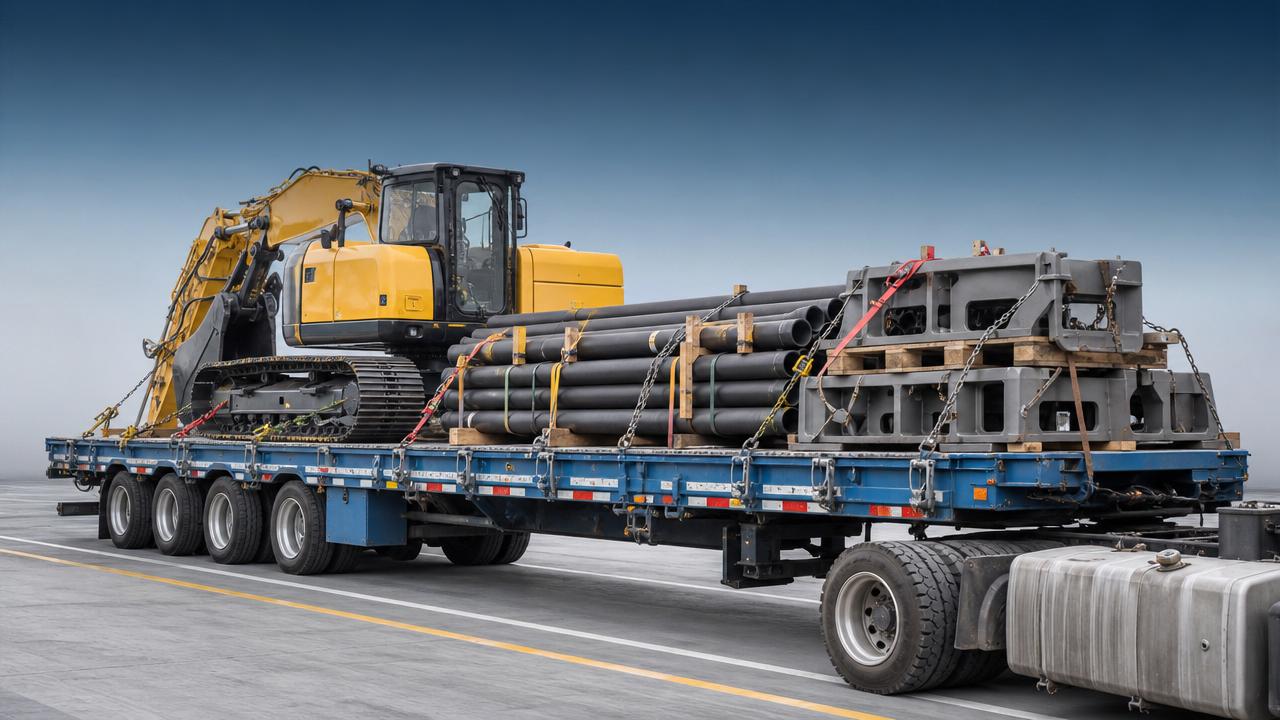
Understanding Flatbed Semi-Trailer load limits and securement basics is essential for safer transport, stronger cargo protection, and better legal compliance. In engineering vehicle operations, heavy equipment, steel structures, pipes, pallets, and machine parts often create difficult loading conditions. When axle loads, deck ratings, tie-down angles, or friction are misunderstood, the result can be cargo shift, trailer damage, tire overload, or roadside penalties. A practical checklist helps turn complex rules into repeatable actions before every trip.
Why a Flatbed Semi-Trailer Checklist Matters
A Flatbed Semi-Trailer carries exposed cargo, so securement quality matters more than with enclosed transport. Weather, braking force, road vibration, and uneven loading all increase movement risk.
Engineering vehicle transport also involves dense, irregular, or high-center-of-gravity loads. A checklist reduces missed steps, improves loading speed, and supports consistent decisions across different routes and cargo types.
It also protects the trailer investment. Repeated overloading, poor weight balance, and bad tie-down placement can bend cross members, wear suspension parts, and shorten tire life.
Core Flatbed Semi-Trailer Load Limit and Securement Checklist
- Confirm the trailer GVWR, deck rating, axle ratings, tire ratings, and kingpin capacity before planning the load, not after cargo is already on the deck.
- Verify cargo weight with shipping documents, scale data, or equipment specifications, and never estimate heavy machinery or steel bundles by visual judgment alone.
- Distribute weight evenly across tractor drives and trailer axles, keeping concentrated loads away from unsupported deck sections or weak rear overhang areas.
- Measure cargo dimensions, center of gravity, and overhang points to check route legality, turning clearance, bridge limits, and securement anchor positioning.
- Inspect the Flatbed Semi-Trailer deck, stake pockets, winches, rub rails, chains, straps, and binders for cracks, wear, deformation, or missing labels.
- Use blocking, dunnage, mats, and edge protectors to increase friction, stabilize irregular cargo, and prevent securement damage from sharp corners.
- Select tie-down type by cargo form, using chains for machinery and steel, and high-quality straps for finished surfaces or palletized materials.
- Apply enough working load limit capacity, and count each chain or strap correctly according to direct tie-down or indirect tie-down method.
- Tighten securement evenly and recheck binder tension after initial movement, because vibration and cargo settling often reduce holding force quickly.
- Check axle weights on a scale whenever the load is near legal limits, especially with compact but very dense engineering cargo.
- Protect visibility and safety equipment by keeping lights, reflective markings, mud flaps, and license areas clear after loading is complete.
- Record the final configuration, securement count, and any special precautions to support repeat loading, claims review, and cross-border compliance.
Key Load Limit Factors to Review
Load limit control on a Flatbed Semi-Trailer is not only about total cargo weight. It includes legal gross weight, axle group limits, bridge formula requirements, and the structural capacity of the trailer itself.
For engineering equipment, point loading is a common issue. A machine may be legal in total weight but still overload the deck where tracks, outriggers, or steel feet contact the trailer.
Deck length matters too. If cargo is placed too far forward, tractor steer weight may change. If too far rearward, trailer tandems or tail structure can become overloaded.
Securement Basics for Common Engineering Cargo
Heavy Equipment and Machinery
Excavators, loaders, rollers, and compactors usually require chain securement, designated anchor points, and low, centered placement. Buckets, booms, and attachments must be lowered, locked, or separately restrained.
Rubber tires or steel tracks do not eliminate movement risk. Use chocks, blocking, and tie-down angles that resist forward, rearward, and lateral motion during emergency braking or uneven roads.
Steel, Pipe, and Fabricated Structures
Steel coils, beams, frames, and pipe bundles demand stable base support and anti-roll protection. Smooth surfaces reduce friction, so securement must compensate with stronger restraint and better contact control.
Long cargo on a Flatbed Semi-Trailer can create leverage during cornering. Use enough tiedowns across the length, and place dunnage consistently to avoid twisting or concentrated deck stress.
Palletized Parts and Mixed Loads
Mixed engineering cargo often combines crates, spare parts, hydraulic components, and tools. These loads need separation planning, edge protection, and strap paths that do not crush cartons or fragile surfaces.
When weight varies between pallets, place heavier units lower and closer to the center. Empty space should be managed to reduce shifting under vibration.
Commonly Missed Risks on a Flatbed Semi-Trailer
Ignoring Working Load Limit Labels
Chains, straps, and binders without legible ratings should not be used. Securement hardware must match the real cargo demand, not just appear strong enough.
Relying on Friction Without Proper Restraint
Painted steel, wet timber, dusty pallets, and oily machinery reduce friction sharply. Even a balanced load can slide if tie-down force is insufficient.
Overlooking the First Retightening Stop
Newly loaded cargo often settles within the first kilometers. A missed retightening check is one of the most preventable causes of cargo movement.
Focusing Only on Gross Weight
A legal gross figure does not guarantee a safe Flatbed Semi-Trailer setup. Axle imbalance and point loading still create structural and legal problems.
Using Damaged Decks or Weak Anchor Areas
Cracked boards, bent rub rails, worn winches, or damaged stake pockets reduce securement reliability. Hardware is only as strong as the structure supporting it.
Practical Execution Tips Before Departure
- Build a standard pre-load form that lists trailer ratings, cargo dimensions, securement count, and route restrictions for each shipment.
- Keep chains, straps, edge protectors, friction mats, and replacement binders organized by rated capacity and inspection status.
- Train loading teams to identify center-of-gravity issues, contact pressure points, and correct tiedown angles on every Flatbed Semi-Trailer.
- Use weighbridge confirmation for dense engineering cargo, especially when deck space looks sufficient but axle concentration may still fail.
- Schedule en route checks after departure, after rough road sections, and after severe weather exposure that may loosen securement.
Support for Reliable Flatbed Semi-Trailer Operations
Reliable transport starts with suitable equipment. A well-matched Flatbed Semi-Trailer, proper tractor configuration, and dependable supply chain support reduce loading errors and downtime.
Shandong Livol Truck International Trade Co., Ltd., based in Shandong, China, supplies commercial vehicles with strong inventory support and export experience. As an authorized dealer for FOTON, SHACMAN, and SINOTRUK, the company supports vehicle selection, customization, documentation, customs clearance, logistics, and after-sales coordination for global transport needs.
For engineering vehicle applications, matching trailer specification to cargo profile is just as important as choosing the right securement method. Stable supply, professional support, and accurate configuration planning help create safer and more efficient transport operations.
Conclusion and Next Action
Safe Flatbed Semi-Trailer transport depends on three basics: know the real load limit, distribute weight correctly, and secure cargo with rated, inspected equipment. These steps reduce accidents, protect cargo, and improve route compliance.
The most effective next step is to turn this guidance into a working loading checklist. Review trailer ratings, inspect securement gear, confirm axle distribution, and document every final setup before departure. Consistent execution delivers the best results on every engineering transport job.
Search Starts Here