
News
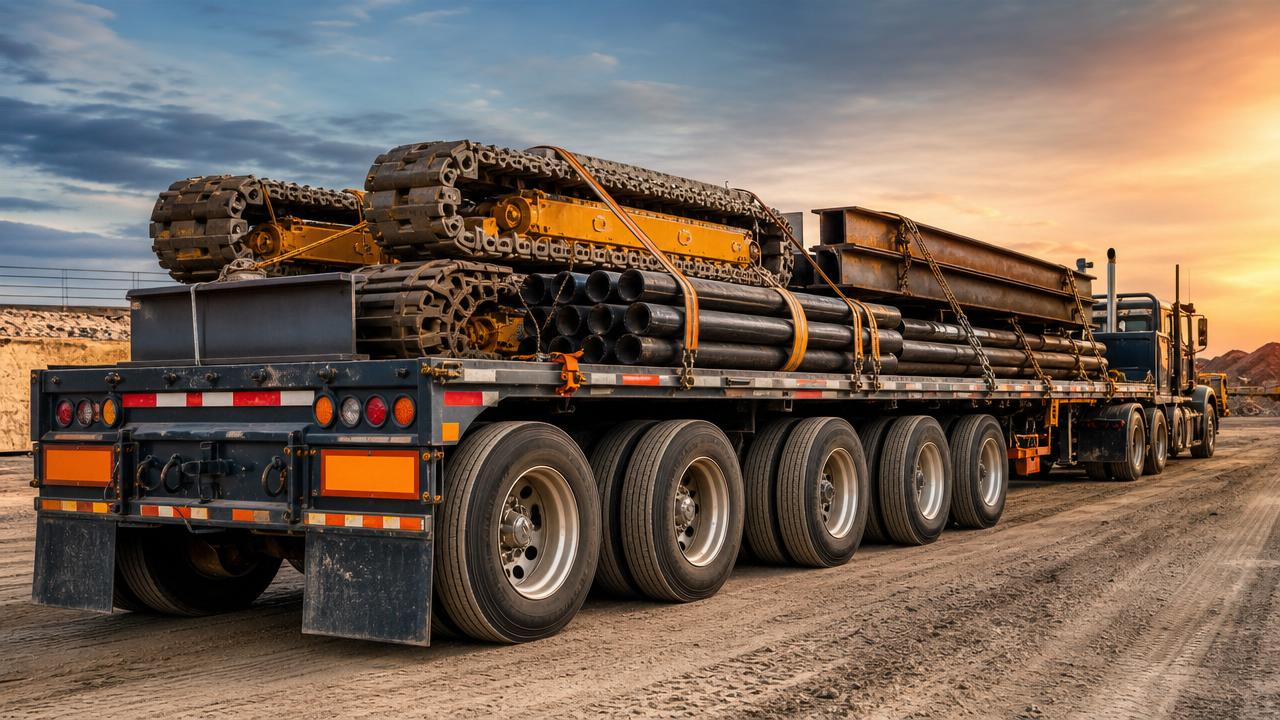
Flatbed Semi-Trailer load limits are more than technical figures. They shape cargo stability, braking distance, rollover resistance, tire stress, and deck durability on demanding engineering jobsites. When weight is poorly distributed or structural limits are misunderstood, even a well-maintained tractor-trailer combination can become unsafe. Understanding payload capacity, axle loading, deck design, and material strength helps reduce transport risk and improve operational reliability.
Why a Flatbed Semi-Trailer Load Limit Checklist Matters
A Flatbed Semi-Trailer often carries steel sections, machinery, concrete forms, pipes, and oversized construction materials. These loads rarely behave like uniform palletized freight. Their center of gravity shifts, contact points vary, and securement needs change with terrain and weather.
A checklist-based review prevents teams from relying on rated payload alone. Real-world safety depends on the interaction between axle group limits, deck concentration capacity, tire ratings, frame stiffness, suspension response, and braking performance.
For engineering vehicle operations, a structured review also supports compliance, protects the trailer from premature fatigue, and lowers the chance of cargo loss during turning, braking, or uneven site access.
Core Flatbed Semi-Trailer Load Limit Checklist
Use the following checklist before assigning a Flatbed Semi-Trailer to heavy or irregular cargo. Each point affects safe loading and transport performance.
- Confirm gross vehicle weight rating, legal road limits, and actual tractor-trailer combination weight before loading, rather than relying only on the advertised Flatbed Semi-Trailer payload figure.
- Measure axle distribution across the kingpin and tandem or tri-axle groups, because safe total weight can still become illegal or unstable when one axle set is overloaded.
- Check concentrated load capacity on the deck, especially for tracked equipment, steel coils, generators, or point-loaded machinery that can overstress crossmembers and flooring.
- Review deck length, usable width, and loading height to ensure the cargo footprint fits properly without excessive overhang, unstable stacking, or poor center-of-gravity placement.
- Verify frame material, yield strength, and weld integrity, since high-tensile steel design affects bending resistance, tare weight, and long-term fatigue performance under repeated site work.
- Inspect suspension type and condition, because mechanical, air, or heavy-duty bogie systems respond differently to uneven roads, vibration, and load transfer during braking.
- Match tire load index and inflation pressure to the actual operating weight, as under-rated or underinflated tires quickly become a safety weakness on loaded Flatbed Semi-Trailer units.
- Assess braking system condition, including drums or discs, air lines, ABS function, and brake balance, since added payload sharply increases stopping distance and heat buildup.
- Position cargo to keep the center of gravity low and centered, reducing sway, rollover risk, and sudden side-load transfer during cornering or abrupt lane correction.
- Apply securement devices according to cargo type, using chains, binders, straps, edge protection, dunnage, and blocking that prevent movement in every transport direction.
- Examine deck surface condition for cracks, rot, worn anti-slip areas, or damaged anchor points, because a sound load plan cannot compensate for weakened contact surfaces.
- Check route conditions, bridge limits, grade changes, and jobsite entry geometry, since a Flatbed Semi-Trailer that is compliant on paper may fail in actual site access.
Key Specifications That Directly Affect Jobsite Safety
Payload Capacity Is Only the Starting Point
The rated payload of a Flatbed Semi-Trailer is useful, but it is never the full safety answer. Tare weight changes with deck type, suspension, axle count, landing gear, toolboxes, and reinforcement packages.
A trailer designed for general building materials may not safely carry the same mass when the load is dense, compact, and applied through small contact areas. Jobsite safety depends on how weight meets structure.
Axle Configuration Controls Real Loadability
Two trailers with the same overall rating can perform very differently. Tandem axles, tri-axles, axle spacing, suspension equalization, and kingpin setting all influence legal distribution and dynamic stability.
On rough construction roads, poor axle balance can increase tire scrub, frame twist, and braking inconsistency. That is why axle-group analysis is central to every Flatbed Semi-Trailer loading plan.
Deck Structure Determines Point-Load Safety
Crossmember spacing, main beam section, floor material, and deck thickness define how a Flatbed Semi-Trailer handles concentrated loads. Equipment tracks or support legs can exceed local structural limits long before total payload is reached.
For engineering vehicle transport, reinforced deck zones and proper dunnage placement are often more important than nominal deck size. The aim is to spread pressure and protect structural members.
Material Strength Influences Fatigue Life
High-strength steel can reduce tare weight and improve payload efficiency, but design quality matters as much as material grade. Stress concentration around welds, landing gear mounts, and suspension hangers affects long-term safety.
Repeated loading cycles on construction routes create cumulative damage. A Flatbed Semi-Trailer used in engineering applications should be evaluated for fatigue resistance, not just new-condition capacity.
Application Notes for Common Engineering Transport Scenarios
Transporting Excavators, Rollers, and Compact Equipment
Machine transport creates high point loads under tracks or tires. The loading plan should align contact zones with strong structural areas and keep the machine centered between trailer sides.
Booms, attachments, and raised components should be lowered and locked. Securement must resist forward movement during emergency braking, not just hold the machine in place at rest.
Moving Steel, Pipes, and Precast Components
Long cargo changes load dynamics. A Flatbed Semi-Trailer carrying beams or pipes needs careful support spacing to prevent bending, rolling, or deck punch-through at narrow contact points.
Precast concrete introduces both mass and brittleness. Uneven support or sudden trailer flex can damage the cargo and destabilize the combination, especially on temporary roads.
Supplying Mixed Materials to Remote Jobsites
Mixed loads often look manageable because each item is small. In reality, stacked forms, bundled rebar, pallets, and site equipment can create scattered weight concentration and poor tie-down geometry.
When the route includes gravel, mud, or steep entries, the safest Flatbed Semi-Trailer setup is usually a lower center of gravity, fewer stack layers, and extra securement checks after the first kilometers.
Commonly Overlooked Risks
Ignoring dunnage strength is a frequent mistake. Weak wood blocks can crush, split, or shift, changing load distribution even when the trailer itself is correctly rated.
Using only static weight data is another risk. A Flatbed Semi-Trailer experiences dynamic forces from potholes, slope transitions, hard braking, and cornering, which can briefly exceed planned load stresses.
Overlooking securement anchor ratings also causes preventable incidents. Strong chains do not help if lashing points, winches, or side rails cannot handle the same force.
Failing to recheck load position after departure is dangerous. Settling, vibration, and suspension movement can loosen tie-downs within the first stage of transport.
Practical Execution Tips
- Weigh the loaded combination whenever cargo density, axle placement, or legal compliance is uncertain.
- Use a simple axle-load worksheet before dispatching heavy or irregular loads.
- Standardize dunnage sizes and securement methods for repeated engineering cargo types.
- Inspect deck members, tires, brakes, and anchor points after high-impact site operations.
- Re-tension chains and straps shortly after departure and at each route checkpoint.
Final Takeaway and Next Step
A safe Flatbed Semi-Trailer operation depends on more than published payload. Axle distribution, point-load resistance, deck structure, material strength, braking condition, and securement quality all influence jobsite safety.
For engineering vehicle transport, the most effective next step is to build a repeatable pre-loading review based on actual cargo type, route conditions, and trailer specifications. That approach improves compliance, protects equipment, and supports more reliable delivery performance.
Shandong Livol Truck International Trade Co., Ltd. supplies commercial vehicle solutions with strong export support, stable inventory, and practical customization service. When selecting a Flatbed Semi-Trailer for construction and engineering transport, aligning specification details with real operating conditions is the safest investment.
Search Starts Here