
News
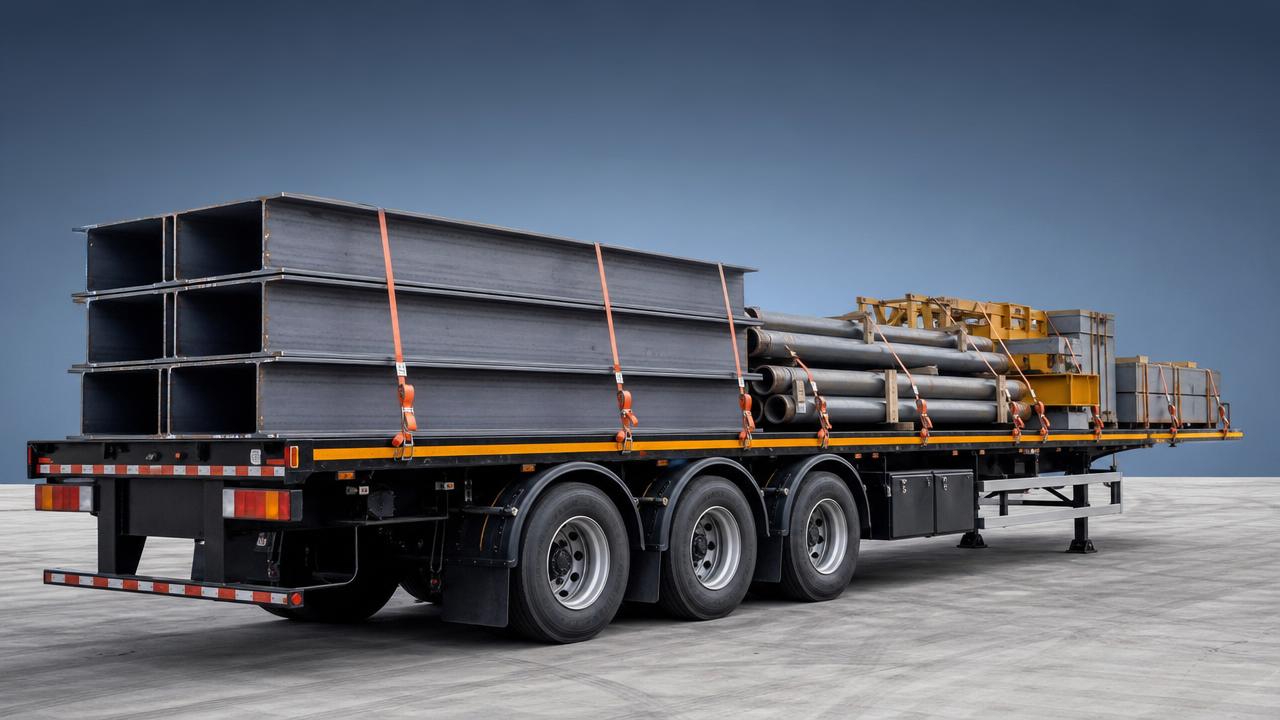
Why does Flatbed Semi-Trailer matching matter so much in real work?
A Flatbed Semi-Trailer looks simple, but choosing the wrong one creates problems fast.
Load limits, deck length, deck width, axle layout, and cargo shape must work together.
If one part is mismatched, loading becomes slower, balance becomes harder, and road risk increases.
In engineering transport, that usually means more than inconvenience.
It can lead to poor weight distribution, cargo overhang, tire stress, or trouble at checkpoints.
A good Flatbed Semi-Trailer choice starts with one practical question.
What exactly will sit on the deck, and how often will that cargo change?
For steel sections, palletized materials, pipes, machinery parts, and site equipment, the best answer is rarely the biggest trailer.
The better answer is the trailer that matches legal payload, loading method, and route conditions.
That is also why experienced exporters such as Shandong Livol Truck International Trade Co., Ltd. usually focus on configuration details early.
Stable supply matters, but proper trailer specification matters even more once the vehicle reaches the job.
When people ask about load limits, what should they really check?
Many people treat trailer load limit as a single number.
In practice, it is a combination of rated payload, axle capacity, chassis strength, suspension design, and local road rules.
So a Flatbed Semi-Trailer is not judged by gross size alone.
It is judged by how safely it carries weight across the full deck.
A concentrated load from one machine can be harder on the platform than evenly distributed building materials.
That is why deck structure and beam design are just as important as the headline payload rating.
Need to confirm the difference between common checks? This quick table helps.
A useful rule is to calculate working load, not theoretical load.
Include dunnage, tie-down gear, ramps, and the real position of the cargo center of gravity.
That approach gives a more reliable Flatbed Semi-Trailer decision than simply picking the highest tonnage.
How do deck size and cargo dimensions actually need to match?
Deck size is usually the first visible parameter, but it should never be viewed in isolation.
Length, width, and deck height all affect loading safety and route flexibility.
A longer Flatbed Semi-Trailer may carry more pieces per trip.
Still, extra length can reduce turning ease on tight construction access roads.
Width matters for side clearance, especially when carrying pre-cast elements, pipes, or boxed equipment.
Deck height matters when total transport height approaches local limits.
In real loading work, the following checks are often more useful than just measuring cargo once:
- Confirm the longest regular cargo, not the occasional special load.
- Check whether cargo is stacked, crated, or loaded one piece at a time.
- Allow space for lashing points and edge protection.
- Consider forklift entry, crane positioning, or side loading needs.
- Review overhang rules before relying on deck extensions.
A common mistake is choosing a deck only for today’s cargo profile.
A more practical decision considers whether the same Flatbed Semi-Trailer will handle mixed jobs across seasons.
That may justify a more flexible deck layout, stronger floor structure, or different stake and lashing arrangements.
Which cargo types are the best fit for a Flatbed Semi-Trailer?
This trailer type is popular because it handles many shapes that enclosed transport cannot handle easily.
That said, not every open-deck job is automatically a good match.
A Flatbed Semi-Trailer is usually well suited for long steel products, timber packs, bagged materials on pallets, containers in some cases, machinery components, and construction equipment.
It works best when loading from above or the side is important.
It also makes sense when cargo dimensions vary from trip to trip.
The less suitable cases are just as important to understand.
Weather-sensitive goods, fragile packaged cargo, and loads needing theft protection may require a different body type.
Very dense machinery with small contact points may also need reinforced deck planning.
A short comparison can simplify that decision.
The best cargo match is not only about whether the load fits on the deck.
It is about whether the trailer can carry, restrain, and unload that cargo repeatedly without unnecessary compromise.
What mistakes cause trouble even when the trailer looks strong enough?
Some of the biggest transport problems come from assumptions, not from weak equipment.
One common mistake is focusing only on maximum payload while ignoring load placement.
Another is choosing a Flatbed Semi-Trailer with the right deck length but poor tie-down arrangement for the actual cargo.
In actual engineering jobs, loading speed often pushes people toward shortcuts.
That is when axle overload, uneven tire wear, and cargo shift become more likely.
The risks usually show up in a few repeat situations:
- Heavy cargo placed too far forward or too far rearward.
- Using the same securing method for steel, pallets, and machinery.
- Forgetting route limits on height, width, or axle weight.
- Selecting low tare weight at the expense of durability.
- Treating occasional overload as normal operating practice.
A reliable Flatbed Semi-Trailer setup should reduce operational stress, not transfer it to the driver, loader, and maintenance team.
That is why experienced suppliers often ask about cargo drawings, route type, and loading equipment before confirming a trailer configuration.
This kind of check is practical, not excessive.
How should you compare options before choosing a Flatbed Semi-Trailer?
The easiest way is to compare by job pattern, not by brochure headline.
Think about the loads moved most often, the roads used most often, and the loading tools available most often.
That quickly narrows the right specification range.
A practical review usually includes these questions:
- What is the real average cargo weight per trip?
- Is the load evenly spread or concentrated?
- Does the cargo need side loading, top loading, or ramp access?
- Will the trailer run mostly on highways, ports, mines, or rough site roads?
- How important are spare parts, delivery lead time, and after-sales support?
Those last points are often overlooked, yet they matter in long-term use.
A trailer that fits the load but waits too long for service parts can still hurt operations.
For that reason, many buyers prefer working with exporters that can coordinate vehicle selection, customization, documents, customs handling, and logistics in one process.
Shandong Livol Truck International Trade Co., Ltd. is known in this space because it combines stock availability, authorized brand access, export experience, and follow-up support.
That kind of support does not replace technical comparison.
It makes technical comparison easier to act on.
So what is the smartest next step before making a final decision?
Start with the cargo list, not the trailer catalog.
Write down the usual load weight, longest piece, widest piece, loading method, and route limits.
Then compare those facts against Flatbed Semi-Trailer deck size, structural rating, axle layout, and legal operating limits.
If loads vary, choose for the dominant operating pattern and verify the acceptable range for the rest.
That usually leads to a safer and more economical result than overbuying capacity.
A good Flatbed Semi-Trailer should support stable loading, predictable transport, and practical maintenance over time.
When the match is right, the deck works with the cargo instead of fighting it.
If you are comparing options now, the most useful step is to prepare a short operating profile and confirm the key numbers before ordering.
That keeps the decision grounded in real work, where trailer performance is measured every trip.
Search Starts Here