
News
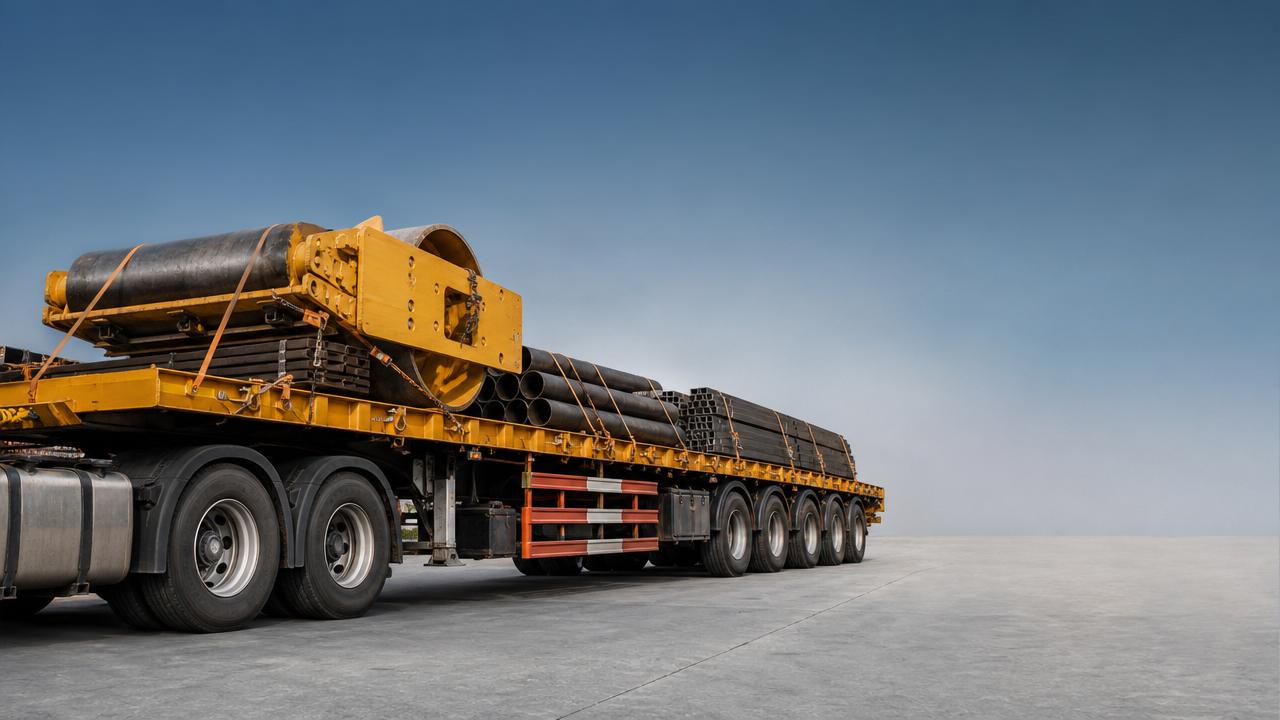
When evaluating a Flatbed Semi-Trailer, load capacity often gets the most attention, but deck length can be just as critical for transport efficiency, safety, and cargo compatibility. For technical evaluators, understanding how these two factors interact is essential to choosing the right configuration for real operating conditions, compliance requirements, and long-term fleet performance.
In engineering vehicle transport, the best trailer is rarely the one with the highest payload on paper. A Flatbed Semi-Trailer must match the dimensions, weight distribution, loading method, and route limits of the cargo it will carry. A shorter deck with higher rated capacity may be ideal for dense machinery, while a longer deck may improve flexibility for steel sections, pipes, precast components, or oversized construction materials. The real decision is not load capacity versus deck length in isolation, but which specification matters most for the intended job.
What does load capacity really mean on a Flatbed Semi-Trailer?
Load capacity is the maximum legal and structural payload a Flatbed Semi-Trailer can carry under specified conditions. It is influenced by axle configuration, suspension type, chassis strength, tire rating, kingpin load, and national transport regulations. Many buyers look only at the gross number, but a 40-ton rating does not mean every 40-ton cargo can be carried safely or legally.
For example, compact heavy equipment such as road rollers, excavator attachments, or generator sets may fit within the payload rating but still create concentrated point loads. If the floor structure, cross-member spacing, or axle balance is not designed for that load pattern, the trailer may experience frame stress, tire overload, or unstable handling. This is why the true performance of a Flatbed Semi-Trailer depends on both total weight and how that weight is distributed across the deck.
A practical evaluation should include:
- Rated payload versus legal road limit
- Axle load distribution under full cargo
- Frame and deck reinforcement for concentrated loads
- Compatibility with ramps, cranes, or forklift loading
- Reserve margin for repeated heavy-duty use
Why can deck length be more important than payload in some applications?
Deck length determines whether cargo can be placed safely, balanced correctly, and secured efficiently. In many engineering and construction logistics scenarios, cargo is not especially heavy, but it is long, irregular, or requires spacing. Steel beams, formwork systems, scaffolding packs, large pipes, bridge components, and prefab structures often need a longer Flatbed Semi-Trailer even when total weight is moderate.
If the deck is too short, operators may be forced to create overhang, stack cargo unsafely, or make multiple trips. This increases transport cost, loading time, and compliance risk. A longer trailer can reduce these problems by improving cargo layout and tie-down angles. It also allows more versatile mixed loads, which is valuable when a route includes different jobsite deliveries or export shipments with changing dimensions.
However, longer does not always mean better. Increasing deck length can affect turning radius, maneuverability at construction sites, and axle positioning. A long Flatbed Semi-Trailer may also face route restrictions in urban zones, ports, or mountainous roads. The right length should therefore be chosen around transport reality, not only around the largest possible cargo.
Typical cases where deck length has priority
- Transporting rebar bundles, pipes, or timber packs
- Carrying multiple small machines in one trip
- Loading long but lightweight fabricated components
- Combining palletized materials with equipment accessories
How should load capacity and deck length be balanced for real engineering transport?
The best way to balance these factors is to start with cargo profiles rather than trailer specifications. List the heaviest load, the longest load, the most frequent load type, and the strictest route condition. This quickly shows whether the main constraint is mass, length, distribution, or road access. For a Flatbed Semi-Trailer used in engineering vehicle support, this approach is far more accurate than choosing by standard brochure dimensions.
A useful rule is simple: dense cargo usually prioritizes payload and chassis strength, while extended cargo prioritizes deck length and secure loading geometry. If both appear often, a balanced configuration with reinforced structure, optimized axle spacing, and practical deck length will deliver the best long-term result.
What common mistakes lead to the wrong Flatbed Semi-Trailer choice?
One common mistake is choosing the highest payload rating without checking dimensional fit. A high-capacity Flatbed Semi-Trailer may still perform poorly if cargo regularly exceeds usable deck space or forces inefficient placement. Another mistake is selecting maximum deck length for versatility while ignoring road limits, empty weight, and handling complexity.
A third mistake is focusing only on purchase price. A cheaper trailer may have limited reinforcement, fewer lashing points, or unsuitable axle geometry, creating higher maintenance cost and lower usable productivity over time. In engineering transport, downtime, failed inspections, and cargo damage often cost more than the original price difference.
There is also a misunderstanding around “future-proofing.” Buying an oversized Flatbed Semi-Trailer for occasional extreme jobs can reduce efficiency on daily operations. A better strategy is to define the 80% use case clearly, then decide whether specialized occasional loads justify a different configuration or a supplemental unit.
Checklist before final specification
- Measure cargo length, width, height, and support points
- Confirm legal axle load and total combination limits
- Review loading equipment and unloading conditions
- Check turning space on jobsite and route access
- Estimate actual trip frequency for each cargo type
How do regulations, lifecycle cost, and export support affect the decision?
Compliance can change the answer to the load capacity versus deck length question. Different markets apply different rules to axle spacing, overall length, gross vehicle weight, reflective marking, lighting, braking systems, and cargo overhang. A Flatbed Semi-Trailer that appears ideal in one country may require modification in another. For export-oriented fleets and international projects, specification should be aligned with destination regulations from the beginning.
Lifecycle cost should also be considered. A trailer with slightly higher initial cost but better steel structure, stronger suspension, and more suitable deck dimensions can reduce tire wear, improve loading speed, and extend service life. This is especially important in engineering vehicle operations where routes are rough, cargo is uneven, and utilization is high.
Reliable supply and technical guidance matter as well. Shandong Livol Truck International Trade Co., Ltd., based in Shandong, China, provides commercial vehicle export solutions backed by authorized resources for FOTON, SHACMAN, and SINOTRUK, broad domestic inventory, and full-process service covering selection, customization, documentation, customs clearance, logistics, and after-sales support. When choosing a Flatbed Semi-Trailer for cross-border or project-based use, this type of support can reduce lead time and avoid costly specification errors.
FAQ: Which matters most for a Flatbed Semi-Trailer?
The most important factor in a Flatbed Semi-Trailer depends on cargo reality. If loads are dense and heavy, prioritize capacity, axle design, and structural durability. If loads are long, irregular, or combined, deck length may have greater impact on efficiency and safety. In many engineering transport situations, the right answer is a technically balanced trailer rather than the biggest number in a catalog.
For the next step, compare actual load records, route restrictions, and loading conditions before finalizing specifications. If a project requires export coordination, customization, or brand-backed commercial vehicle support, it is worth working with an experienced supplier that can align the Flatbed Semi-Trailer configuration with operating needs, compliance standards, and delivery timelines.
Search Starts Here