
News
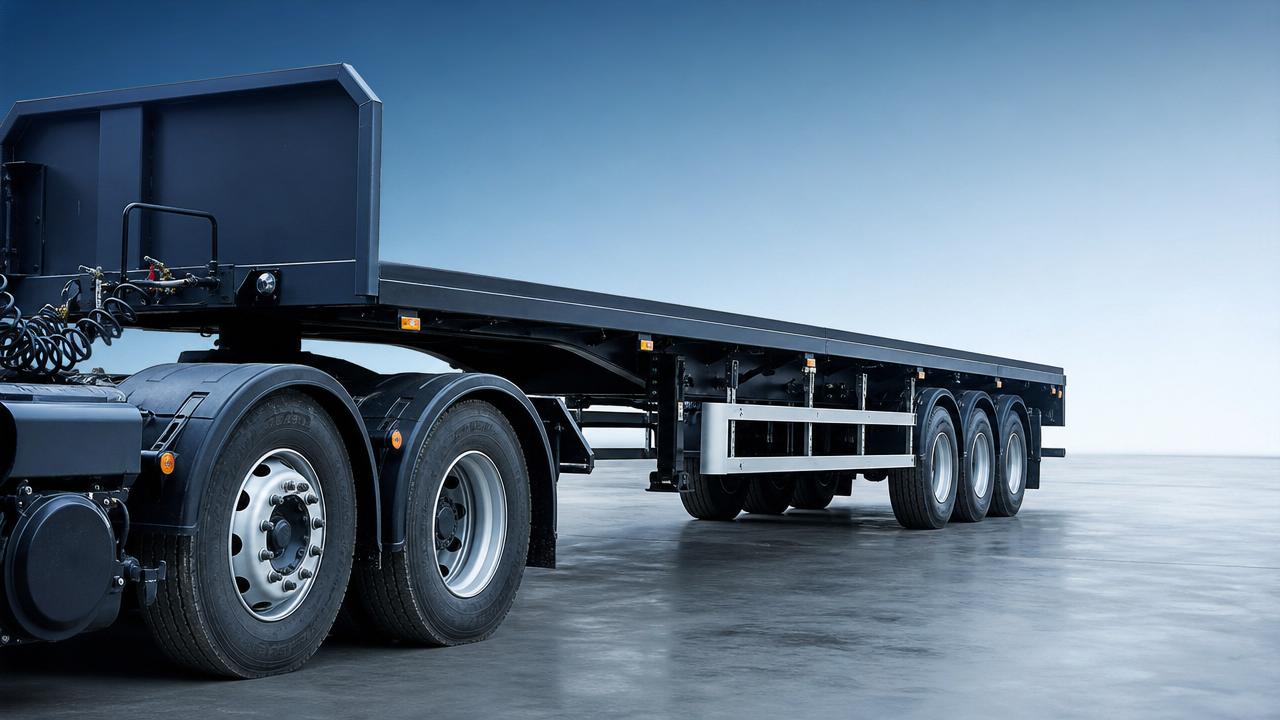
For after-sales maintenance teams, a reliable Flatbed Semi-Trailer starts with disciplined daily inspection and preventive care. A clear maintenance checklist helps reduce unexpected downtime, improve road safety, and extend trailer service life under demanding engineering transport conditions. In this guide, we outline the key daily operation checks and practical maintenance points that keep flatbed semi-trailers working efficiently and ready for heavy-duty tasks.
In engineering transport, a Flatbed Semi-Trailer often works under high payload, uneven roads, frequent loading cycles, and tight delivery schedules. For maintenance personnel, daily operation is not only about finding visible faults. It also means identifying early wear, recording service conditions, and preventing small issues from becoming axle, brake, tire, or structural failures that could stop a unit for 1–3 days or longer.
This article is designed for after-sales teams, workshop supervisors, fleet service managers, and distributors supporting heavy-duty commercial vehicles. It combines practical inspection logic with field-oriented maintenance points relevant to engineering vehicles and transport fleets. For companies supplying commercial trailers and integrated export services, such as Shandong Livol Truck International Trade Co., Ltd., disciplined maintenance is also a key factor in protecting asset value, delivery reliability, and long-term customer satisfaction.
Why Daily Flatbed Semi-Trailer Maintenance Matters in Engineering Transport
A Flatbed Semi-Trailer used in construction materials, machinery transfer, steel transport, or project cargo usually faces 3 major stress factors: high static load, repeated vibration, and harsh site access conditions. Even when the trailer appears operational, hidden loosening, brake imbalance, or deck damage can quickly reduce safety margins. Daily checks performed in 15–30 minutes can prevent repairs that otherwise require several labor hours and expensive parts replacement.
For after-sales maintenance personnel, the goal is to move from reactive repair to preventive control. A practical checklist improves consistency between shifts, reduces missed points, and supports traceable service records. In fleets with 10, 20, or 50 trailers, standardization is especially important because inconsistency between technicians often causes repeated defects and uneven roadworthiness.
Common Daily Risks That Affect Trailer Uptime
- Brake air leakage causing slow pressure build-up or poor emergency braking response
- Tire underinflation leading to irregular wear, heat build-up, and sidewall damage
- Loose wheel nuts after heavy operation on rough roads or after wheel service
- Cracks on crossmembers, side rails, or weld joints due to repeated overload stress
- Damaged lamps, reflectors, or wiring reducing road visibility and compliance
- Twist lock, lashing point, or deck surface wear affecting load security during transport
What Daily Inspection Should Achieve
An effective inspection routine should confirm 4 things before dispatch: structural integrity, safe braking, stable rolling condition, and secure load interface. It should also capture service data such as mileage, route type, payload category, and recently replaced parts. These records help maintenance teams plan weekly and monthly intervention instead of waiting for a roadside breakdown.
The table below summarizes key daily risks, likely causes, and the maintenance response expected from an after-sales team working with heavy engineering transport equipment.
For most fleets, the highest daily failure frequency comes from brakes, tires, and electrical systems rather than major structural breakage. That is why the checklist should give first priority to safety-critical items that can change within a single operating shift.
Daily Operation Checklist for a Flatbed Semi-Trailer
A maintenance checklist works best when divided into pre-trip, loading-stage, and post-trip inspection. This 3-stage approach is easier to execute than one long inspection and helps technicians catch problems at the point where they actually occur. In busy engineering transport yards, each stage can be completed in 5–12 minutes if the process is standardized.
Pre-Trip Checks Before Departure
1. Coupling and connection points
Confirm the kingpin area is clean, secure, and free from abnormal wear marks. Check that the tractor-trailer connection locks properly and that the safety devices function as intended. Air lines and electrical cables should have enough slack for turning, but not so much that they drag or chafe. A damaged hose or loose connector can stop the trailer before it leaves the yard.
2. Brake and air system
Listen for air leaks for at least 2–3 minutes after pressure stabilizes. Inspect brake chambers, hose joints, and gladhand connections. Verify that service brakes apply and release evenly across all axles. If one wheel end heats faster than others after previous operation, that is a warning sign of drag, adjustment issues, or bearing-related resistance.
3. Tires, wheels, and suspension
Inspect tread wear, sidewall cuts, bulges, and embedded debris. Confirm inflation is within the fleet’s specified operating range for the load condition. Check wheel nuts visually for movement indicators and inspect leaf springs, equalizers, hangers, and shock-related components where applicable. Even a small crack in a spring seat can worsen quickly under repeated site-entry vibration.
4. Deck surface and cargo securing points
A Flatbed Semi-Trailer in engineering use often carries steel coils, prefabricated parts, pipes, machinery, or palletized project material. Inspect the deck for oil contamination, broken planks, severe corrosion, or bent plates. Lashing rings, stake pockets, side rails, and locking points must be free from visible deformation. If a securing point shows elongation or cracking, remove the trailer from load service until repaired.
Checks During Loading and Dispatch
Many trailer issues are not caused by transport itself, but by poor loading practice. During loading, maintenance and yard teams should verify load distribution across axles, overhang compliance, and contact pressure on the deck. Concentrated loading in one short section can overstress crossmembers and shorten trailer life even when total payload appears acceptable.
- Confirm the cargo center of gravity is balanced from front to rear and left to right.
- Use suitable blocking, anti-slip materials, and chains or straps matched to cargo type.
- Check that no sharp edge is directly cutting into a strap without protection.
- Inspect landing gear retraction and clearance before moving out.
- Verify all lamps, indicators, and conspicuity markings remain visible after loading.
Post-Trip Checks After Return
After the vehicle returns, perform a fast post-trip inspection while defects are still visible. This should include checking for fresh impact marks, unusual tire wear patterns, loose fasteners, brake heat imbalance, and cargo contact damage. A 10-minute post-trip walkaround can identify issues before the next shift and reduce morning dispatch delays.
The following table can be used as a practical daily operation reference for after-sales teams responsible for inspection, workshop routing, and maintenance handover.
This 3-stage checklist helps maintenance teams separate immediate safety defects from serviceable wear. It also improves communication between drivers, dispatchers, and workshop staff, which is essential when multiple trailers rotate through high-demand engineering routes.
Preventive Maintenance Points Beyond the Daily Walkaround
Daily checks are only the first layer of control. To keep a Flatbed Semi-Trailer in stable operating condition, after-sales teams should link daily inspection findings to weekly, monthly, and mileage-based maintenance. A trailer that works 5–6 days per week under heavy engineering loads typically needs more frequent underbody and fastener inspection than a unit used in lighter regional cargo work.
Weekly Maintenance Focus
- Drain moisture from the air system if the operating environment is humid or dusty.
- Inspect brake lining wear visibility where accessible.
- Check landing gear operation, lubrication points, and crank condition.
- Clean reflective markings, lamp covers, and electrical plug interfaces.
- Review torque indicator movement on wheel nuts and key suspension fasteners.
Monthly or Mileage-Based Service Focus
At intervals such as every 8,000–15,000 km, depending on route severity and load type, perform a deeper inspection of axle alignment symptoms, bush wear, brake stroke consistency, frame straightness, and corrosion development. For trailers used on mixed paved and unpaved roads, these intervals may need to be shortened. Maintenance managers should adjust the service cycle according to actual operating conditions rather than fixed calendar assumptions.
Lubrication and Corrosion Control
Lubrication failures often appear as stiffness, noise, uneven motion, or accelerated wear. Areas such as landing gear, hinges, locking points, and selected suspension interfaces require regular attention. Corrosion should also be monitored closely, especially on trailers exposed to rain, coastal humidity, cement dust, or chemicals from industrial cargo. Surface rust may be manageable, but rust spreading around weld toes or structural overlaps should be treated as a higher-priority inspection point.
Maintenance record discipline
Every trailer should have a simple but complete file including inspection date, defect category, replacement part, technician name, and release decision. Even a basic 5-field record helps identify repeated failures, such as one axle station showing recurring brake wear every 30–45 days. This supports more accurate root-cause correction and better spare parts planning.
Parts Support, Service Coordination, and Practical After-Sales Considerations
Good maintenance results depend not only on technician skill, but also on parts availability, response speed, and correct service coordination. In B2B engineering transport, a trailer stopped for missing standard wear parts can affect site delivery, loading schedules, and customer confidence. This is why suppliers and exporters with stable support capacity play an important role in the full lifecycle of commercial vehicles.
What After-Sales Teams Should Expect from a Reliable Supply Partner
A dependable partner should provide clear communication on vehicle configuration, compatible parts, service documentation, and logistics coordination. For operators managing imported or cross-border commercial equipment, delays often come from incomplete technical matching rather than the repair itself. Fast confirmation of parts specifications can save 24–72 hours in workshop decision time.
Shandong Livol Truck International Trade Co., Ltd., based in Shandong, China, serves global commercial vehicle customers with vehicle selection, customization, documentation, customs clearance, and logistics support. As an authorized dealer for FOTON, SHACMAN, and SINOTRUK, with extensive domestic 4S store resources and inventory support, the company is positioned to help customers improve supply stability, service coordination, and after-sales response throughout the operating cycle.
Common Maintenance Mistakes to Avoid
- Relying only on visual checks without functional brake and air testing
- Ignoring small deck deformation until cargo restraint points become unsafe
- Replacing worn parts without checking alignment or root-cause loading issues
- Skipping post-trip inspection when the unit appears to have completed the route normally
- Using inconsistent inspection forms across technicians and shifts
When to Remove a Flatbed Semi-Trailer from Service Immediately
- Visible crack in a main structural member or suspension mounting point
- Air brake defect affecting response, leakage, or axle-level braking function
- Severe tire damage, exposed cord, or wheel-end looseness
- Failed landing gear, insecure kingpin area, or unsafe coupling condition
- Broken or deformed load securing points on a trailer scheduled for heavy cargo dispatch
For after-sales maintenance teams, the most effective daily checklist is one that is short enough to use every day, but detailed enough to catch the defects that matter. On a Flatbed Semi-Trailer, attention to brakes, tires, suspension, structure, deck condition, and load securing points directly supports road safety, equipment life, and transport continuity. When daily inspection is combined with scheduled preventive service and responsive parts support, fleets can reduce downtime and improve operating confidence under demanding engineering conditions.
If you are looking for commercial vehicle supply, trailer support coordination, or a more structured after-sales solution for engineering transport operations, contact Shandong Livol Truck International Trade Co., Ltd. to discuss your requirements, get tailored product details, and explore practical service solutions for your fleet.
Search Starts Here