
News
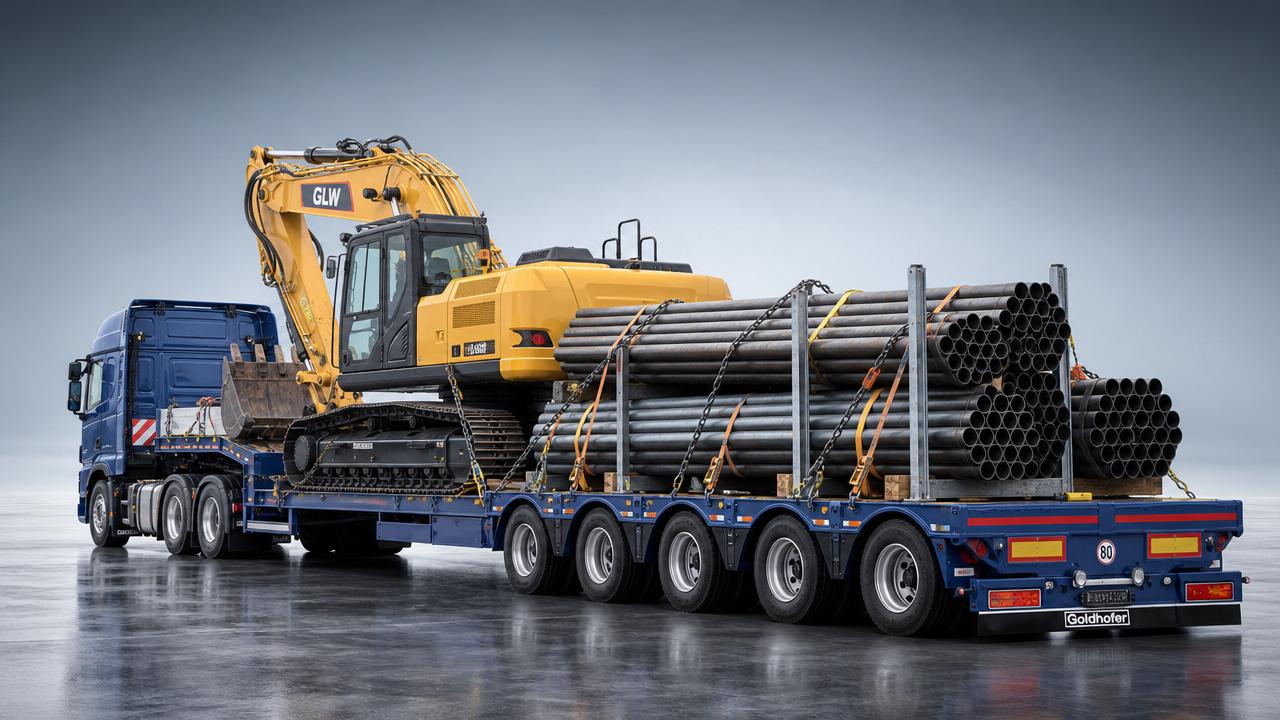
Loading a Flatbed Semi-Trailer may seem routine, but small mistakes can lead to cargo damage, safety risks, delays and costly penalties. For operators and users in engineering transport, understanding the most common loading errors is essential to keeping every trip safe and efficient. This article highlights practical mistakes to avoid and shares simple ways to improve load security, balance and overall transport performance.
Why do loading mistakes on a Flatbed Semi-Trailer happen so often?
Many loading problems do not come from one major failure. They usually come from routine shortcuts, unclear communication, rushed schedules, or a poor understanding of how a Flatbed Semi-Trailer behaves on the road. In engineering vehicle transport, operators often move steel, machinery, pipes, precast parts, containers, construction equipment, and irregular cargo. Each type of load reacts differently during braking, cornering, acceleration, and rough-road vibration.
A Flatbed Semi-Trailer offers flexibility, but that same openness creates risk. Without side walls or a closed body, load security depends heavily on proper positioning, tie-down methods, friction support, axle balance, and route awareness. Even experienced users may underestimate cargo movement, especially when the load seems heavy enough to “stay in place.” In reality, heavy cargo can slide, roll, tip, or shift if it is not secured according to its shape and center of gravity.
Another common reason is mismatch between the cargo and the trailer specification. Operators may use a standard Flatbed Semi-Trailer for loads that require reinforced decking, extendable length, special lashing points, or higher payload capacity. When the equipment is not matched to the job, loading errors become much more likely.
What is the most common mistake when loading a Flatbed Semi-Trailer?
The most common mistake is poor weight distribution. Many cargo incidents begin with a load placed too far forward, too far back, or unevenly from left to right. On a Flatbed Semi-Trailer, incorrect weight distribution can overload axles, reduce steering control, increase tire wear, and create serious rollover or braking risks.
If too much weight is concentrated near the front, the tractor and kingpin area may be overloaded. If too much weight is placed toward the rear, trailer sway and poor traction can follow. If the load is uneven on one side, the trailer becomes unstable during lane changes or when traveling on uneven roads common in construction and engineering environments.
Operators should always check the cargo weight, dimensions, center of gravity, and axle limits before loading begins. This is especially important for excavators, loaders, road rollers, generators, and fabricated steel structures. A safe loading plan should be made before the forklift or crane starts placing cargo. Guesswork at the loading yard often leads to expensive corrections later.
Quick check table: common loading mistakes and their effects
Before dispatching a Flatbed Semi-Trailer, operators can use the following table as a simple review tool.
How does improper cargo securement put a Flatbed Semi-Trailer at risk?
Improper securement is one of the most dangerous issues in flatbed transport. Some operators rely only on cargo weight, assuming heavy equipment or steel sections do not need extensive restraint. This is a serious mistake. On a Flatbed Semi-Trailer, forces created during emergency braking or sudden turns can exceed expectations quickly. Cargo that looked stable in the yard may move several centimeters or more on the road, which is enough to loosen tie-downs and change the trailer’s balance.
Another problem is using the wrong securement hardware. Webbing straps may work for lighter packaged cargo, but machinery, structural steel, or abrasive materials may require chains, edge protection, and reinforced binders. Worn straps, damaged hooks, and weak anchor points reduce the real securement strength. A Flatbed Semi-Trailer should be loaded with restraint methods matched to cargo type, not just what happens to be available nearby.
Operators should also understand that tie-down quantity alone does not guarantee safety. The angle of the strap or chain matters. Low angles may provide limited downward force, while poor crossing patterns can allow sideways movement. Good securement combines direct restraint, friction improvement, blocking, and regular inspection throughout the route.
Which cargo types are most likely to be loaded incorrectly on a Flatbed Semi-Trailer?
Irregular, oversized, and high-center-of-gravity cargo create the highest loading risk. In engineering transport, this often includes excavators, cranes, wheel loaders, concrete molds, long pipes, transformers, steel coils, and fabricated structures. These loads are harder to balance because their heaviest point is not always visually obvious.
For example, tracked equipment may appear stable because it sits low, but if the machine is not centered properly or the boom is not positioned and locked correctly, the weight can still be badly distributed. Long cargo such as beams or pipe bundles may bridge the deck in a way that creates concentrated pressure points. Round cargo can roll if chocks are too small or placed incorrectly. Stacked materials can settle after a few kilometers, reducing tie-down tension.
This is why users of a Flatbed Semi-Trailer should not treat all engineering cargo the same. Each job requires a loading approach based on dimensions, material surface, weight concentration, travel distance, route condition, and unloading method at destination.
How can operators check whether a Flatbed Semi-Trailer is overloaded or poorly balanced?
The best method is to combine documentation, visual planning, and actual measurement. Start with the manufacturer’s specifications for the Flatbed Semi-Trailer, including payload capacity, axle rating, suspension configuration, deck structure, and kingpin load limit. Then compare that data with the real cargo weight, not an estimate from memory or a previous shipment.
A visual review can identify obvious imbalance, but it is not enough on its own. Where possible, use weighbridges or portable axle scales. This is particularly important for cross-border transport or regulated project cargo, where overloaded units can face fines, detention, or forced offloading. Even if the total gross weight is legal, one axle group may still exceed the limit.
Users should also watch for field signs of poor balance after loading. These include excessive trailer squat, unusual suspension compression on one side, visible tire bulge, trailer lean, or unstable steering during low-speed yard movement. If any of these signs appear, the Flatbed Semi-Trailer should be rechecked before departure.
Practical pre-departure questions operators should ask
- Is the cargo weight verified by document or actual scale?
- Is the load centered according to axle and kingpin requirements?
- Are chains, straps, binders, and anchor points rated for this load?
- Have anti-slip mats, chocks, or blocking been used where needed?
- Will the route include slopes, rough roads, rain, or emergency stop risk?
- Is there a plan for secure reinspection after the first section of travel?
What role does trailer selection play in avoiding loading mistakes?
A large number of loading problems begin before loading day because the wrong trailer was selected. Not every Flatbed Semi-Trailer is suitable for every engineering transport task. Users should consider deck length, number of axles, suspension type, floor strength, lashing point design, tire configuration, and whether the load may require ramps, drop-deck geometry, or extendable sections.
For repeated project transport, selecting a trailer only by purchase price can create long-term risk. A cheaper trailer with limited lashing flexibility or lower structural durability may increase loading time, securement complexity, and maintenance costs. In contrast, a properly specified Flatbed Semi-Trailer helps operators load faster, secure cargo more effectively, and reduce the likelihood of handling mistakes.
Reliable suppliers also matter. For engineering vehicle users working across regions, a dependable exporter and service partner can help confirm suitable trailer configuration, documentation, compliance details, spare parts support, and delivery timing. This reduces operational uncertainty and helps buyers choose equipment that fits real transport conditions instead of generic catalog assumptions.
What are the best ways to avoid repeat loading errors on a Flatbed Semi-Trailer?
The most effective solution is to make safe loading a standard process rather than a personal habit. A repeatable checklist, trained team roles, and clear cargo-specific procedures will prevent many avoidable incidents. Operators should document how different loads are positioned and secured on each Flatbed Semi-Trailer type, especially for frequently transported engineering equipment.
Training should cover more than basic tying methods. Teams should understand load dynamics, legal axle compliance, friction principles, route risk, weather effects, and the limits of different securement devices. Forklift and crane operators should coordinate closely with drivers, because poor placement during the first lift often causes later rework.
Maintenance is another key factor. A Flatbed Semi-Trailer with damaged flooring, bent side rails, worn anchor points, weak brakes, or poor suspension performance is harder to load safely. Preventive inspection of the trailer itself should be part of every loading routine. Good equipment condition supports good loading outcomes.
Simple prevention framework for daily use
A practical approach is to follow five steps: confirm cargo data, match the right Flatbed Semi-Trailer, place the load by balance plan, secure it with rated equipment, and perform a final inspection plus early-route recheck. This framework is simple, but when applied consistently, it reduces cargo claims, downtime, and roadside enforcement issues.
What should users ask before buying or deploying a Flatbed Semi-Trailer for engineering transport?
Before purchase or fleet deployment, users should focus on practical operating questions rather than only brochure specifications. Ask what cargo types the Flatbed Semi-Trailer will carry most often, what the heaviest and longest loads are, whether routes include ports, highways, mining roads, or construction sites, and what local regulations apply to axle loads and dimensions.
It is also worth confirming whether customization is needed for lashing points, deck material, suspension, ramp options, or reinforced structure. For international buyers, support with documentation, customs, logistics, and after-sales response can be as important as the trailer itself. Companies with strong inventory, export experience, and brand authorization can often provide a smoother process from selection to delivery.
If you need to confirm a specific Flatbed Semi-Trailer solution for engineering transport, the best next discussion points are payload range, cargo dimensions, road conditions, compliance requirements, customization needs, delivery timeline, spare parts availability, and service support after arrival. These details will help turn a general trailer inquiry into a safer and more efficient transport plan.
Search Starts Here