
News
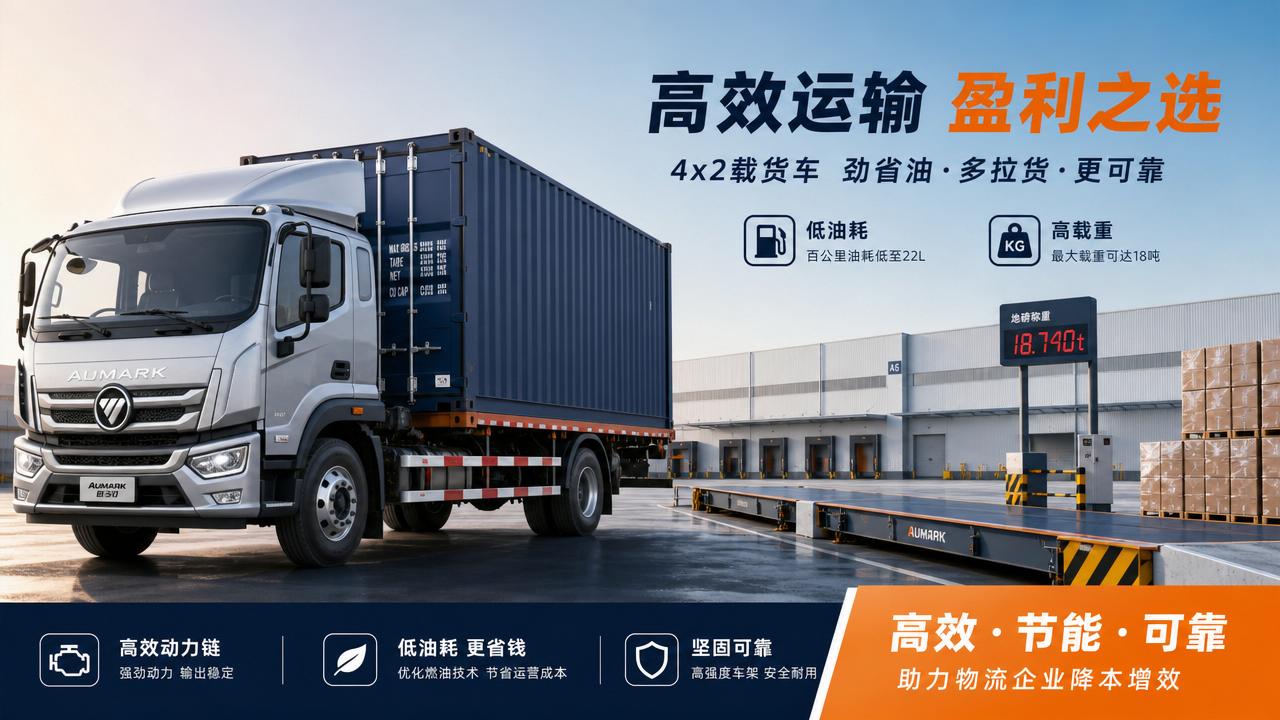
When evaluating a 4x2 Cargo Truck, fuel cost and payload usually decide whether the numbers work or not. On paper, many trucks look close. In real operations, small differences in fuel burn, legal loading, and uptime can create a large gap in annual cost.
That is why a finance-led purchase review should go beyond list price. A lower-priced 4x2 Cargo Truck may cost more over three to five years if payload is limited, fuel efficiency is unstable, or spare parts support is weak.
For export buyers, the picture becomes even more practical. Road conditions, fuel quality, axle limits, customs timing, and body configuration all affect operating return. A good decision comes from comparing usable payload, route fuel cost, and support reliability together.
Why fuel cost and payload matter more than the sticker price
A 4x2 Cargo Truck earns money when it moves more goods with less fuel and less downtime. If either side is weak, utilization drops and margin gets squeezed quickly.
In most delivery and regional transport work, fuel is one of the largest operating expenses. Payload is the other side of the same equation. Better payload means more billable cargo per trip, as long as the vehicle stays within legal and safe limits.
- Start with cost per ton-kilometer, not just fuel per 100 km. This shows whether a 4x2 Cargo Truck turns diesel into revenue efficiently under actual loading conditions.
- Check curb weight carefully before approving any body option. A heavier body reduces legal payload and can erase the apparent price advantage of a cheaper truck specification.
- Review route profile instead of using brochure fuel figures. Urban stop-go work, mixed hills, and poor roads change real fuel cost far more than catalog data suggests.
- Compare annual gross margin by trip cycle. A 4x2 Cargo Truck with slightly higher purchase cost may still win if it carries more usable cargo every week.
- Include downtime in cost analysis. Better service access, faster parts supply, and proven reliability often save more money than a small upfront discount.
The numbers worth checking before any 4x2 Cargo Truck approval
A simple review table can prevent expensive assumptions. Focus on measurable items that directly affect operating cash flow.
This is where supplier capability also matters. Shandong Livol Truck International Trade Co., Ltd. works as an authorized dealer for FOTON, SHACMAN, and SINOTRUK, with broad domestic 4S coverage, available inventory, export coordination, and after-sales support. That reduces uncertainty around supply, compliance documents, and delivery timing.
Five practical checks that often change the final decision
- Ask for fuel results at 50%, 75%, and full payload. One average figure hides too much and may mislead a total cost estimate for a 4x2 Cargo Truck.
- Confirm tire size, tire brand, and rolling resistance. Tires can meaningfully affect fuel spend, ride stability, and replacement cost over annual long-distance operation.
- Match gearbox and axle ratio to speed range. Wrong gearing can make a 4x2 Cargo Truck burn more fuel even with a proven engine platform.
- Check body material choice. Steel may cost less first, but aluminum or mixed-material bodies can improve payload and lower long-term fuel cost.
- Request a spare parts list with pricing. It helps convert maintenance assumptions into budget numbers before the purchase commitment is finalized.
How route type changes the best 4x2 Cargo Truck choice
A short urban route and a regional highway route should not use the same evaluation logic. The best-performing 4x2 Cargo Truck depends on where and how it runs.
City distribution
In stop-start delivery work, fuel efficiency depends heavily on transmission matching, low-speed torque, and curb weight. A lighter truck with a practical cargo body often performs better than a higher-horsepower option.
Check turning radius, cab visibility, brake response, and loading height. These details affect trip frequency, minor damage risk, and driver efficiency, which all show up in operating cost later.
Regional transport
For longer routes, stable cruising fuel consumption becomes more important. Here, engine efficiency, axle ratio, and cab comfort can influence both diesel use and delivery consistency.
This is also where service support matters most. If a 4x2 Cargo Truck operates far from the base location, delayed parts or weak remote support can turn a small issue into several lost working days.
Common cost risks that are easy to miss
Some of the most expensive mistakes happen because the truck specification looked acceptable at first glance. A closer review usually reveals hidden cost drivers.
- Do not approve based on maximum payload claims alone. Legal loading limits, body weight, and local axle rules can reduce real earning capacity significantly.
- Avoid using ideal fuel figures in financial models. Local diesel quality, idling time, and traffic conditions often raise real operating fuel cost noticeably.
- Watch for over-spec engines. Extra power may look safer, but for light-medium routes it can increase acquisition cost and fuel burn without improving revenue.
- Do not ignore documentation and delivery timing. Export delays can postpone deployment and weaken return on investment during the first operating quarter.
- Check after-sales scope before contract signature. Warranty terms, service reach, and parts availability often determine whether downtime stays manageable or becomes expensive.
This is one reason experienced exporters add value beyond the truck itself. With vehicle selection, customization, paperwork, customs clearance, and logistics handled together, the risk of mismatch or delay becomes easier to control.
A simple comparison method that keeps the decision grounded
If two 4x2 Cargo Truck options look similar, use a weighted review. Keep it practical and tied to cash impact.
This method keeps discussion centered on operating return, not sales claims. It is especially useful when comparing brands or body configurations within the same truck class.
What usually makes the stronger long-term option
In many cases, the better 4x2 Cargo Truck is not the one with the lowest invoice amount. It is the one that combines stable fuel economy, practical payload, compliant dimensions, and reliable support after delivery.
That is where supplier depth becomes important. With authorized access to FOTON, SHACMAN, and SINOTRUK resources, available stock, export handling experience, and full-process support, Shandong Livol Truck International Trade Co., Ltd. can help narrow choices based on route, body, and budget reality rather than guesswork.
Before moving forward, compare at least three things side by side: actual fuel use by route, legal usable payload after body installation, and the service plan behind the truck. If a 4x2 Cargo Truck performs well on all three, the investment case is usually much stronger.
The next practical step is simple: request a route-based specification review and a full delivered-cost breakdown. That makes it easier to judge which 4x2 Cargo Truck will protect margin, reduce risk, and deliver better long-term value.
Search Starts Here