
News
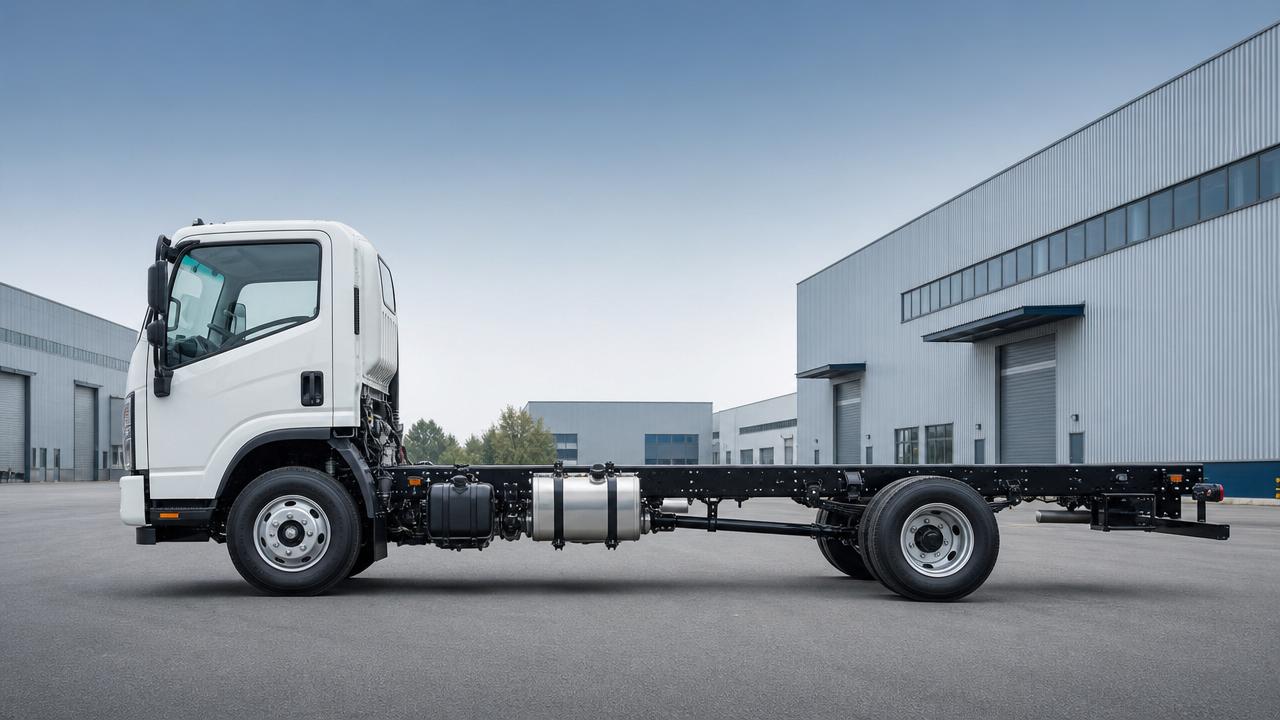
Understanding the real operating cost of a 4_2 Cargo Truck goes far beyond the purchase price. Fuel use, tire life, preventive maintenance, downtime, and repair frequency all shape total cost of ownership.
For engineering vehicle operations, cost control is especially important. Vehicles often work under load, on mixed roads, and across demanding schedules that accelerate wear and increase financial pressure.
This guide answers the most common questions about 4_2 Cargo Truck operating costs. It helps evaluate budgets, compare truck options, and reduce lifecycle risk with practical decision points.
What makes up the total operating cost of a 4_2 Cargo Truck?
The total operating cost of a 4_2 Cargo Truck includes direct, indirect, and hidden expenses. Many buyers focus on fuel first, but that is only one part of the full picture.
Key cost categories usually include:
- Fuel consumption under real operating conditions
- Tire purchase, rotation, wear, and replacement
- Routine maintenance such as oil, filters, brake service, and inspections
- Unexpected repairs and parts replacement
- Driver behavior impact on efficiency and wear
- Downtime, delayed delivery, and lost utilization
- Insurance, tax, registration, and compliance costs
- Residual value at resale or fleet renewal stage
For a 4_2 Cargo Truck used in engineering transport, payload variation also matters. A truck running near full capacity daily will age differently than one used for lighter regional delivery.
A practical cost review should examine cost per kilometer, cost per operating hour, and annual maintenance burden together. Looking at only one number often leads to the wrong truck choice.
How much does fuel really affect 4_2 Cargo Truck profitability?
Fuel is commonly the largest day-to-day operating expense for a 4_2 Cargo Truck. Even a small difference in fuel efficiency can create a major cost gap over one year.
Real fuel cost depends on more than engine specification. It is shaped by route type, average speed, payload, idling time, road condition, terrain, and maintenance quality.
In engineering vehicle use, stop-and-go movement, unpaved roads, and long idle periods can raise fuel use sharply. Published laboratory figures rarely reflect these site conditions.
What increases fuel consumption?
- Overloading or frequent high-load operation
- Poor tire pressure and uneven wheel alignment
- Dirty air filters and delayed engine service
- Aggressive acceleration and harsh braking
- Excessive idling during loading or waiting
- Low-quality fuel or inconsistent supply sources
A cost-conscious 4_2 Cargo Truck program should track fuel per trip, per route, and per payload class. This reveals whether the issue comes from equipment, operations, or driving habits.
Fuel savings usually come from combined measures. Engine matching, axle ratio selection, proper loading, idle control, and preventive service work better together than as isolated actions.
Why are tires a major cost item for a 4_2 Cargo Truck?
Tires are often underestimated in 4_2 Cargo Truck budgeting. Yet tire performance affects not only replacement cost, but also fuel efficiency, safety, uptime, and suspension wear.
Engineering transport creates tire stress through rough surfaces, frequent turning, debris, braking heat, and varying loads. This shortens usable life when tire management is weak.
What shortens tire life fastest?
- Chronic underinflation or overinflation
- Poor balancing and axle misalignment
- Using the wrong tread pattern for the route
- Overloading the 4_2 Cargo Truck repeatedly
- Failure to rotate tires on schedule
- Sidewall cuts from construction or industrial roads
A cheap tire may reduce upfront cost, but it can increase failure risk and shorten service intervals. That often makes low-price selection more expensive over the full operating cycle.
For a 4_2 Cargo Truck, the better question is cost per kilometer, not purchase price per tire. Reliable casing quality, retread potential, and stability under load all matter.
Daily pressure checks, tread inspection, and scheduled alignment are simple actions with high returns. They lower rolling resistance and reduce the chance of sudden downtime on active jobs.
How should maintenance costs be estimated and controlled?
Maintenance cost for a 4_2 Cargo Truck includes scheduled service and unscheduled repair. Both should be budgeted separately, because they behave differently over the vehicle lifecycle.
Scheduled maintenance is more predictable. It includes engine oil, filters, lubrication, brake inspection, coolant checks, transmission service, and chassis tightening for heavy-duty use.
Unscheduled repair is harder to forecast. It may involve clutch wear, suspension damage, electrical faults, injector issues, or brake system failures caused by harsh operating conditions.
What is the most common maintenance mistake?
The biggest mistake is delaying preventive service to save money. For a 4_2 Cargo Truck, postponed maintenance usually causes larger repair bills and longer downtime later.
A disciplined maintenance plan should include:
- Service intervals based on mileage, hours, and load intensity
- Daily driver checks for leaks, lights, pressure, and abnormal sounds
- Planned parts replacement before end-of-life failure
- Clear maintenance records by vehicle unit
- Use of genuine or verified quality spare parts
Reliable suppliers can reduce maintenance risk by offering better parts support, stable vehicle configuration, and faster technical response. That becomes important when uptime is commercially critical.
Shandong Livol Truck International Trade Co., Ltd. supports global customers with vehicle selection, customization, documentation, logistics coordination, and professional after-sales assistance for trusted Chinese truck brands.
How can different 4_2 Cargo Truck options be compared fairly?
Comparing two 4_2 Cargo Truck models only by purchase price is risky. A lower-priced unit may consume more fuel, wear tires faster, or require more frequent repairs.
A fair comparison should consider the full use profile. That means matching truck specification to route length, road quality, payload pattern, and expected annual distance.
When comparing a 4_2 Cargo Truck, ask for actual specification details. Engine output, gearbox match, axle ratio, suspension setup, and cargo application all influence running cost.
What hidden risks can make 4_2 Cargo Truck costs higher than expected?
Hidden costs usually appear after operation starts. They often come from mismatch between vehicle specification and working conditions, not from the truck category itself.
Common hidden risks include poor axle configuration for terrain, insufficient cooling for heavy use, low-quality spare parts, weak technical support, and inconsistent maintenance execution.
Which warning signs should not be ignored?
- Fuel consumption rising without route change
- Repeated uneven tire wear on the same axle
- Frequent brake overheating or reduced stopping stability
- Recurring suspension or steering component failure
- Long repair time due to missing spare parts
These signs suggest that the 4_2 Cargo Truck may need operational adjustment, better maintenance discipline, or a more suitable parts and service support system.
FAQ summary: how can operating cost be reduced in practice?
The most cost-effective 4_2 Cargo Truck is not always the cheapest to buy. It is the one that matches the job, controls fuel use, protects tires, and stays productive with dependable maintenance support.
Before making a final decision, review route conditions, annual mileage, payload patterns, service access, and parts availability. That process leads to a more accurate ownership budget.
If you are evaluating export-ready commercial vehicles from FOTON, SHACMAN, or SINOTRUK, Shandong Livol Truck International Trade Co., Ltd. can help align the right 4_2 Cargo Truck solution with your operating and cost targets.
Search Starts Here