
News
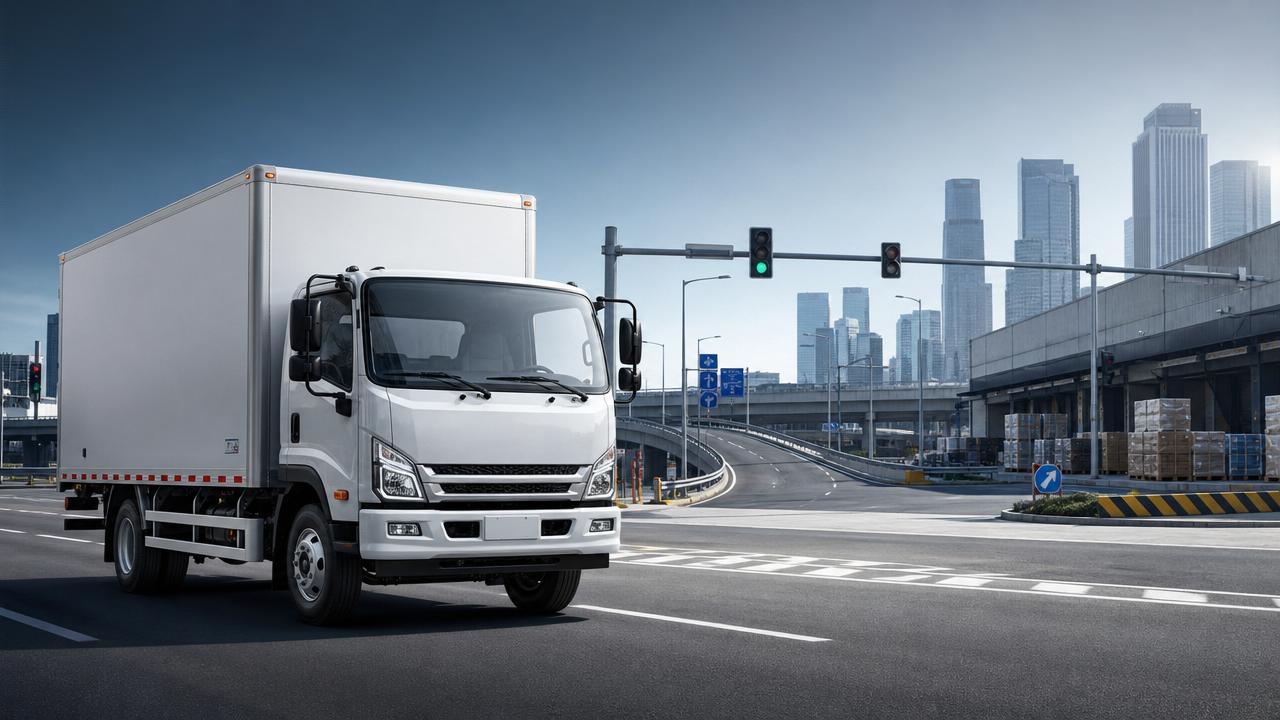
For daily city logistics, fuel is often the largest variable operating expense of a 4_2 Cargo Truck. Small differences in consumption quickly become major annual costs.
Urban delivery creates repeated stop-and-go driving, short trips, idling and changing payloads. These conditions make fuel cost analysis more complex than simple highway estimates.
This guide explains the main fuel cost factors, common mistakes and practical evaluation methods. It also helps compare vehicle options for better long-term efficiency and operating stability.
What makes fuel cost so important for a 4_2 Cargo Truck in urban delivery?
A 4_2 Cargo Truck usually works in high-frequency distribution. It may run many short routes every day, with frequent braking, restarting and waiting.
In this pattern, fuel use per kilometer can be much higher than on stable intercity transport. Traffic lights and congestion reduce engine efficiency and increase idle time.
Fuel cost also affects pricing flexibility. When diesel expenses rise, delivery margins narrow unless vehicle efficiency offsets the increase.
For any 4_2 Cargo Truck, urban fuel cost should be measured by real route conditions, not brochure numbers alone. Rated consumption rarely reflects city distribution reality.
Why brochure fuel figures can mislead
Official figures often come from controlled tests. Real city routes include uneven loading, narrow roads, delivery stops and weather changes.
A 4_2 Cargo Truck used for beverage delivery may consume very differently from one carrying parcels. Cargo density and unloading frequency change the result.
How do payload and route design change fuel consumption?
Payload is one of the strongest cost drivers. A heavier 4_2 Cargo Truck requires more energy for acceleration, climbing and repeated starts in city traffic.
However, underloading can also hurt efficiency. If trips are too frequent because cargo space is not fully used, fuel cost per delivered unit may rise.
The best target is not simply the lightest load. It is the most balanced combination of payload, route length and delivery frequency.
Route factors that increase fuel use
- High traffic congestion and long idle periods
- Frequent intersections and repeated acceleration
- Steep flyovers, ramps and uneven road surfaces
- Detours caused by urban access restrictions
- Low route density with many empty return sections
An efficient 4_2 Cargo Truck route minimizes empty kilometers. It also groups delivery points to reduce restart frequency and unnecessary backtracking.
How to judge route-fit before buying
Check average daily distance, average load ratio, stop count and road grade. These four data points are more useful than headline fuel claims.
A 4_2 Cargo Truck for dense downtown routes may need a different engine calibration than one serving suburban industrial loops.
How do engine, transmission and vehicle matching affect daily fuel bills?
Fuel economy depends on matching, not single parts. Engine torque, gearbox ratios, rear axle ratio and body weight must work together.
If a 4_2 Cargo Truck is overpowered for light urban cargo, fuel may be wasted during low-speed operation. If underpowered, the engine works harder and burns more.
Proper torque delivery at low and mid speeds matters more than top-end power in city distribution. Urban delivery rewards smooth pull and efficient restart behavior.
Key technical points to compare
- Engine displacement matched to average load
- Torque curve suited for low-speed city operation
- Transmission ratios for frequent starts
- Rear axle ratio aligned with route speed range
- Vehicle curb weight and body structure efficiency
Leading Chinese commercial vehicle brands offer many urban delivery configurations. Choosing among them requires route-based matching rather than only comparing purchase price.
Shandong Livol Truck International Trade Co., Ltd. supplies authorized models from FOTON, SHACMAN and SINOTRUK, supporting vehicle selection and export coordination.
This matters because the right 4_2 Cargo Truck specification can lower total operating cost over years, especially where fuel volatility pressures distribution budgets.
Can driving habits and maintenance really change 4_2 Cargo Truck fuel cost?
Yes, and often more than expected. Driver behavior can create large differences between similar trucks on the same route.
Harsh acceleration, late braking and unnecessary idling all increase diesel consumption. In urban delivery, these habits repeat dozens of times each day.
Maintenance also shapes fuel efficiency. A poorly maintained 4_2 Cargo Truck loses performance gradually, making the cost rise without immediate visibility.
Maintenance items linked to fuel economy
- Air filter blockage reducing intake efficiency
- Incorrect tire pressure increasing rolling resistance
- Injector or fuel system issues affecting combustion
- Brake drag and wheel alignment problems
- Engine oil condition and maintenance interval control
Telematics can help identify hidden waste. Tracking idle time, average speed and fuel use trends gives a clearer picture of 4_2 Cargo Truck efficiency.
A common cost mistake
Some fleets focus on fuel price only. The bigger issue is consumption behavior. A cheaper diesel source cannot fix a badly matched or poorly operated truck.
How should buyers compare different 4_2 Cargo Truck options for cost efficiency?
The best comparison method is total operating cost, not initial vehicle price. Fuel should be reviewed together with uptime, service access and parts availability.
A lower-priced 4_2 Cargo Truck may become expensive if it consumes more fuel, carries less usable payload or spends more time in maintenance.
Use this decision checklist
- Measure actual route distance, stop count and congestion level.
- Define average and peak payload for the 4_2 Cargo Truck.
- Compare engine and driveline matching for urban conditions.
- Review service support, spare parts and delivery lead time.
- Estimate yearly fuel cost using realistic city consumption data.
An experienced export partner can help align specification with local operating conditions. That includes documentation, logistics and after-sales coordination.
With strong inventory and authorized dealer resources, Shandong Livol Truck International Trade Co., Ltd. supports stable supply and practical configuration planning.
What are the biggest fuel-cost risks and misunderstandings in city distribution?
Several errors repeatedly distort the real cost of a 4_2 Cargo Truck. Most come from evaluating the truck in isolation instead of the transport system.
Common misunderstandings
- Assuming full-load fuel data applies to mixed-load delivery
- Ignoring empty-return distance in cost calculations
- Choosing excessive horsepower for light urban routes
- Overlooking driver training and idle control
- Delaying maintenance to save short-term cash
Another risk is poor body design. An oversized cargo box or unnecessary body weight can reduce the fuel efficiency of a 4_2 Cargo Truck every day.
FAQ summary table: how can fuel cost factors be checked quickly?
Fuel cost for a 4_2 Cargo Truck is shaped by many connected factors. Payload, route design, powertrain matching, driving style and maintenance all matter.
A smart purchase decision starts with real operating data, not a simple price comparison. That approach improves cost control and supports more dependable urban delivery performance.
When evaluating export-ready commercial vehicles, it helps to work with an authorized supplier that can support selection, customization, documentation and after-sales service.
If you are comparing a 4_2 Cargo Truck for city distribution, build your shortlist around real fuel scenarios first. The right specification will protect margins far beyond the purchase stage.
Search Starts Here