
News
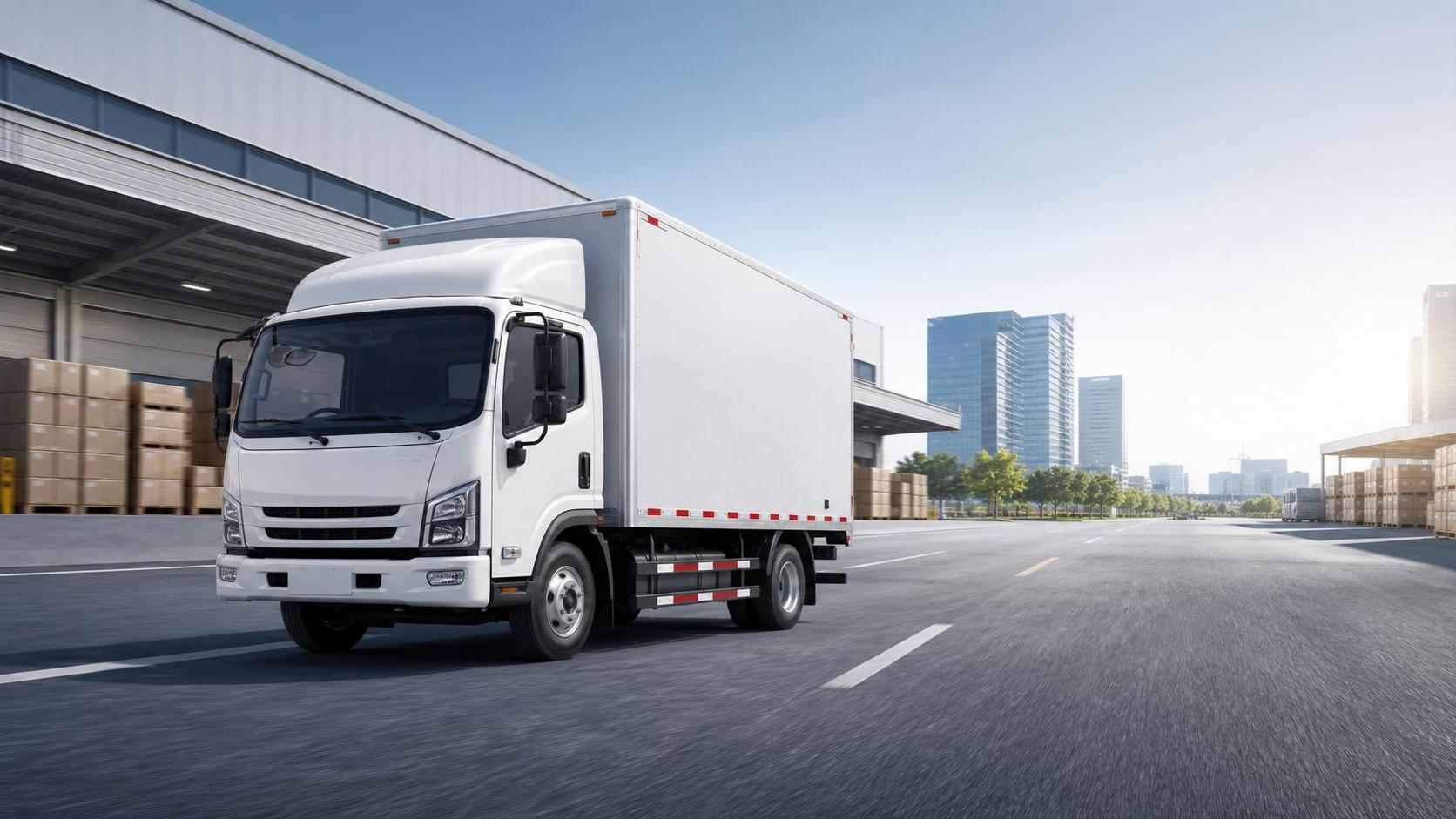
Is a 4_2 Cargo Truck really judged by purchase price alone?
Not in practical fleet planning. A 4_2 Cargo Truck should be evaluated by total operating cost, not only the invoice figure.
For urban and regional delivery, the vehicle earns back its cost through usable payload, route efficiency, fuel control, and service uptime.
That is why many buyers compare payback period before comparing trim details. A cheaper unit can become more expensive after a year.
In engineering vehicle distribution, especially mixed city logistics, axle layout and body configuration affect every cost line.
A well-matched 4_2 Cargo Truck usually balances legal load, turning radius, loading speed, and predictable maintenance scheduling.
This is also where supplier strength matters. Stable stock, clear export documentation, and parts support reduce delivery risk and hidden downtime.
Shandong Livol Truck International Trade Co., Ltd. works with FOTON, SHACMAN, and SINOTRUK as an authorized dealer, which helps keep supply and specification matching more stable.
For cost-focused decisions, that background is useful because truck selection is rarely separate from lead time, customization, and after-sales coordination.
How much payload efficiency does a 4_2 Cargo Truck actually add?
Payload efficiency is not just maximum tonnage. It is the amount of revenue cargo moved within legal limits, route constraints, and loading frequency.
A 4_2 Cargo Truck often performs well when deliveries require frequent stops, urban access, and moderate cargo density.
If the truck body is too heavy, legal payload drops. If the body is too small, trips increase and labor cost rises.
The useful question is simple: how many billable loads can one truck complete per week without overload risk?
In real use, buyers often compare three figures together:
- Kerb weight versus legal gross vehicle weight
- Cargo volume versus average shipment size
- Trips per day versus unloading time
A lighter chassis with the right cargo box can improve earning capacity more than a larger engine upgrade.
This matters in parcel, building materials, packaged foods, beverage delivery, and municipal support transport.
If routes involve ramps, narrow roads, and repeated braking, a compact 4_2 Cargo Truck may outperform larger trucks on daily turnover.
A quick way to judge payload fit
Use actual shipment history instead of peak-day assumptions. More common mistakes come from buying for rare overload days.
What fuel use should be considered realistic in city delivery?
Catalog fuel figures are only a starting point. Urban delivery creates stop-start traffic, idling, uneven loads, and frequent acceleration.
Because of that, the realistic measure is fuel cost per completed delivery cycle, not only liters per 100 kilometers.
A 4_2 Cargo Truck with moderate horsepower can be more economical than a higher-output model on short routes.
Engine matching, gearbox ratios, tire selection, and body weight all shape real consumption.
In actual operations, fuel performance changes most when these conditions appear:
- Repeated congestion and idle waiting
- Part-load operation over long periods
- Poor body aerodynamics at higher suburban speeds
- Driver habits and inconsistent route discipline
This is why a lower quoted fuel number should not end the discussion. It needs route context.
A better comparison uses annual distance, average load factor, idle ratio, and local fuel price.
If two trucks differ only slightly in purchase cost, the one with better real-world fuel stability usually wins over three to five years.
Where do maintenance costs usually surprise buyers?
The biggest surprise is rarely a major failure. It is accumulated downtime from small but repeated service interruptions.
For a 4_2 Cargo Truck, maintenance cost includes parts price, workshop access, service intervals, and lost delivery time.
Brake wear, clutch life, suspension components, and tire replacement often rise faster in dense urban work.
That makes after-sales structure almost as important as the truck specification itself.
When supply is inconsistent, one missing component can stop a productive vehicle for days.
This is where an exporter with authorized brand channels and broad 4S coverage brings practical value.
Shandong Livol Truck International Trade Co., Ltd. combines inventory access, documentation handling, customization support, and export coordination, which helps reduce procurement friction.
That does not remove maintenance cost, but it improves predictability. Predictability is what budget planning usually needs most.
Common cost traps worth checking early
- Buying excess engine power for low-speed city routes
- Ignoring body weight and then losing payload capacity
- Comparing truck price without comparing service interval costs
- Underestimating customs, delivery timing, and parts lead time
- Choosing a configuration that local technicians rarely support
How fast can a 4_2 Cargo Truck pay back in urban delivery?
Payback depends on utilization more than theory. A truck that runs full and on schedule recovers investment far faster than a larger underused unit.
A practical payback review usually includes monthly revenue, fuel expense, driver cost, maintenance reserve, financing cost, and expected downtime.
For many city delivery operations, the 4_2 Cargo Truck is attractive because it combines decent payload with manageable operating expense.
Its strongest business case appears when routes are frequent, distances moderate, and loading turnover is high.
If the truck spends too much time waiting for cargo, even a very efficient model shows weak payback.
The more reliable approach is to model best case, base case, and stress case before approval.
In short, urban delivery payback is usually strong when the 4_2 Cargo Truck is selected around route economics, not headline specification.
What should be confirmed before choosing a supplier and final configuration?
By this stage, the question is no longer only which truck looks competitive. It becomes which package is easiest to operate with the least risk.
A sound decision usually checks vehicle configuration together with export execution and support capacity.
That includes brand authorization, stock availability, technical customization, paperwork accuracy, shipping coordination, and after-sales response.
For cross-border purchases, delays in documentation or unclear specifications can erase any price advantage.
Suppliers with stable inventory and established export processes reduce those risks significantly.
Shandong Livol Truck International Trade Co., Ltd. supports model selection, customization, customs documentation, logistics, and post-sale coordination across recognized Chinese commercial vehicle brands.
That makes comparison easier when the goal is a dependable 4_2 Cargo Truck program rather than a one-time low-price transaction.
A practical shortlist before final approval
- Confirm real route load data for at least three recent months
- Calculate fuel cost using local traffic and idle conditions
- Check service intervals, wear parts access, and repair lead times
- Review body specification against legal payload and cargo type
- Verify export documents, shipping schedule, and after-sales process
A 4_2 Cargo Truck creates value when payload, fuel use, maintenance, and supply support work together.
If the next step is comparison, build one sheet that tests route fit, annual cost, payback range, and supplier execution strength side by side.
That approach usually leads to a more durable decision than selecting on purchase price alone.
Search Starts Here