
News
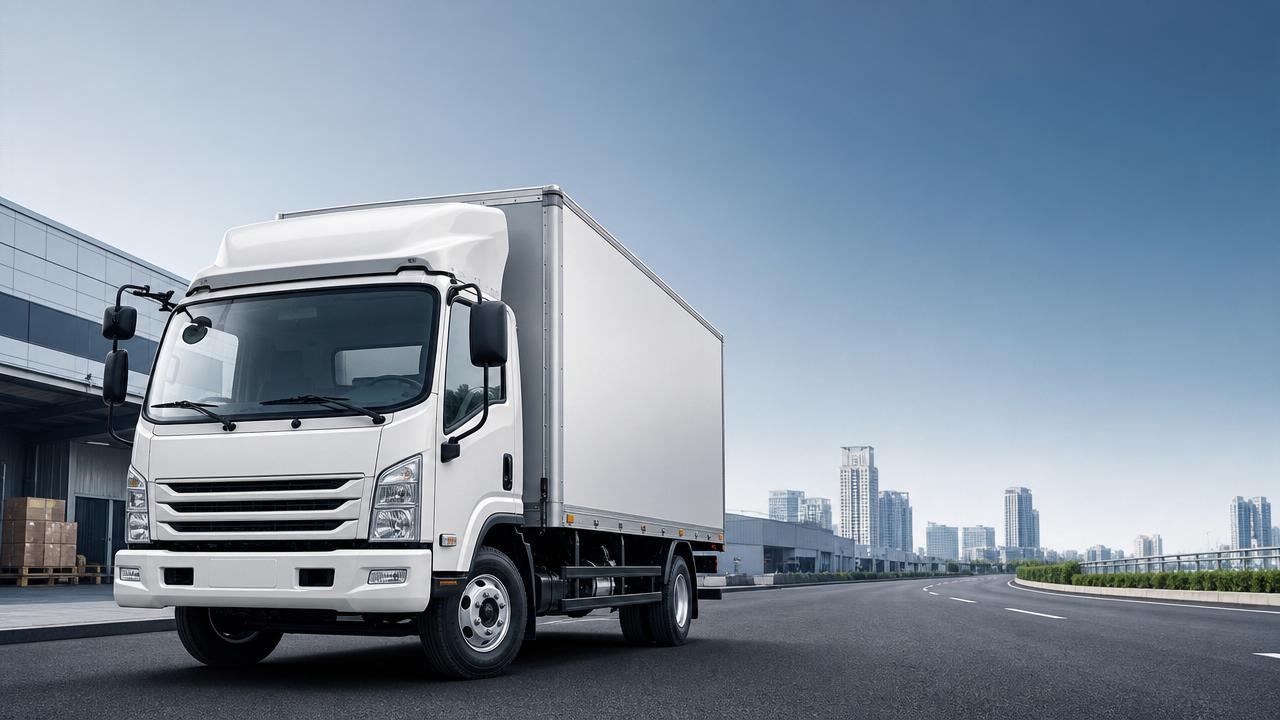
4_2 Cargo Truck Buying Guide: Payload, Fuel Cost, and Urban Delivery Limits
Choosing the right 4_2 Cargo Truck requires more than checking price tags. For long-term value, payload efficiency, fuel control, and city access matter far more than the lowest initial quote.
In real operations, a truck that carries slightly more, burns less fuel, and enters restricted urban zones can outperform a cheaper unit very quickly.
This 4_2 Cargo Truck guide focuses on practical purchasing decisions. It helps compare vehicle options for distribution work, route compliance, operating cost, and total ownership value.
Why a 4_2 Cargo Truck Fits Urban and Regional Delivery
A 4_2 Cargo Truck usually balances payload, maneuverability, and purchase cost better than heavier transport platforms for medium-duty logistics work.
It is often selected for retail replenishment, e-commerce distribution, food logistics, building materials delivery, and light industrial transport.
From a procurement perspective, the key benefit is versatility. One truck can serve city routes during weekdays and support regional deliveries when scheduling allows.
That flexibility reduces idle time. It also helps fleet planners avoid over-investing in multiple specialized vehicle types.
- Lower entry cost than many heavy-duty alternatives
- Better turning performance in dense city areas
- Suitable for box body, stake body, and refrigerated configurations
- Easier route allocation across mixed delivery scenarios
Still, not every 4_2 Cargo Truck performs the same. Small differences in axle rating, body size, and engine calibration can change profitability in daily use.
Start with Payload, Not Just Gross Vehicle Weight
Many buyers look first at gross vehicle weight. That matters, but usable payload is the number that affects revenue per trip.
A 4_2 Cargo Truck with a stronger frame and axle setup may still deliver lower usable payload if the body, accessories, or powertrain add too much curb weight.
This is why payload analysis should include the complete vehicle specification, not just brochure highlights.
What to check
- Chassis curb weight with standard equipment
- Body type and body material weight
- Rear axle capacity and suspension design
- Wheelbase impact on load distribution
- Tire specification and legal load rating
In practical terms, high-volume cargo and high-density cargo create different selection priorities. Parcel fleets care about cubic capacity. Beverage fleets care more about axle durability.
A mismatch here creates hidden losses. The truck may be legal on paper, yet inefficient in route planning, loading cycles, or warehouse turnover.
Fuel Cost Often Decides the Better 4_2 Cargo Truck
Initial price is visible. Fuel cost is gradual. Yet over several years, fuel spending often exceeds the price gap between two similar trucks.
That is why a 4_2 Cargo Truck should be assessed through total cost of ownership, not purchase cost alone.
Key fuel variables
- Engine displacement matched to route demand
- Torque output at low and mid speed
- Gearbox ratio selection for stop-and-go traffic
- Aerodynamic body design
- Vehicle weight reduction without sacrificing durability
A truck with too much horsepower for city delivery often wastes fuel. On the other hand, an underpowered truck may burn more under heavy load.
The better signal is engine matching. Buyers should compare real route conditions, average load factor, traffic density, and daily distance.
From recent market changes, operators are paying closer attention to fuel maps and transmission tuning. Those details have become more important than headline horsepower.
Simple cost evaluation method
Use expected annual mileage, average fuel consumption, and local diesel price. Then compare cost differences across five years, not one quarter.
Even a small fuel-saving advantage can create a strong return when the 4_2 Cargo Truck runs frequent urban routes.
Urban Delivery Limits Can Change the Best Buying Choice
A capable truck still loses value if it cannot enter the delivery zone at the required time. Urban restrictions now shape truck purchasing more directly.
This includes weight limits, body length limits, axle restrictions, emissions rules, daytime entry bans, and low-emission zone policies.
In actual business operations, route compliance should be checked before finalizing body size, engine type, and load target.
Questions worth asking early
- What are the access limits in core delivery districts?
- Are there special permit requirements for larger cargo bodies?
- Do emissions standards affect operating hours?
- Will refrigerated or insulated bodies change route eligibility?
- How often do local rules change?
A shorter wheelbase or compact body may reduce nominal capacity. Still, it can improve actual daily delivery completion if the truck enters more neighborhoods without delay.
That is a strong reminder that the best 4_2 Cargo Truck is not always the largest one. It is the one that keeps the route moving.
Compare Total Ownership Cost, Not Unit Price Alone
Purchase teams often face pressure to lower capital spending. However, the lowest truck quote can produce the highest long-term operating bill.
A useful evaluation model should cover the full operating cycle of the 4_2 Cargo Truck.
Core cost items
- Vehicle purchase cost
- Body or special equipment cost
- Fuel consumption over service life
- Scheduled maintenance and common parts replacement
- Downtime risk and service network support
- Resale value or end-of-cycle disposal value
One of the clearest market signals is growing demand for supply reliability. Buyers now value parts availability and faster delivery almost as much as price.
This also means supplier capability matters. A dependable exporter should support model selection, customization, documentation, shipping, and after-sales coordination.
Shandong Livol Truck International Trade Co., Ltd. provides that full-process support. The company supplies authorized FOTON, SHACMAN, and SINOTRUK commercial vehicles with stable inventory and export experience.
For buyers comparing a 4_2 Cargo Truck across multiple markets, that combination helps reduce sourcing uncertainty and delivery risk.
Specification Checklist for a Better Buying Decision
A structured checklist keeps evaluations objective. It also makes supplier quotations easier to compare side by side.
- Gross vehicle weight and verified usable payload
- Cargo body dimensions and material
- Engine power, torque, and emissions level
- Transmission type and axle ratio
- Suspension, braking, and tire specification
- Fuel tank size and expected route range
- Cab comfort for driver retention and safety
- Spare parts support and service response time
More importantly, ask each supplier to explain why a proposed 4_2 Cargo Truck matches your actual route pattern. That answer often reveals the depth of their industry knowledge.
Final Buying Advice
The right 4_2 Cargo Truck should carry the right load legally, control fuel spending consistently, and move through urban restrictions without disrupting delivery schedules.
When comparing options, start with route reality, not brochure claims. Match payload to cargo profile, match powertrain to mileage and traffic, and confirm local delivery limits early.
If sourcing from China, working with an experienced authorized exporter can simplify evaluation, customization, shipping, and after-sales follow-up.
A smart 4_2 Cargo Truck purchase is rarely about buying the cheapest unit. It is about choosing the model that delivers better cost control, better uptime, and better business results over time.
Search Starts Here