
News
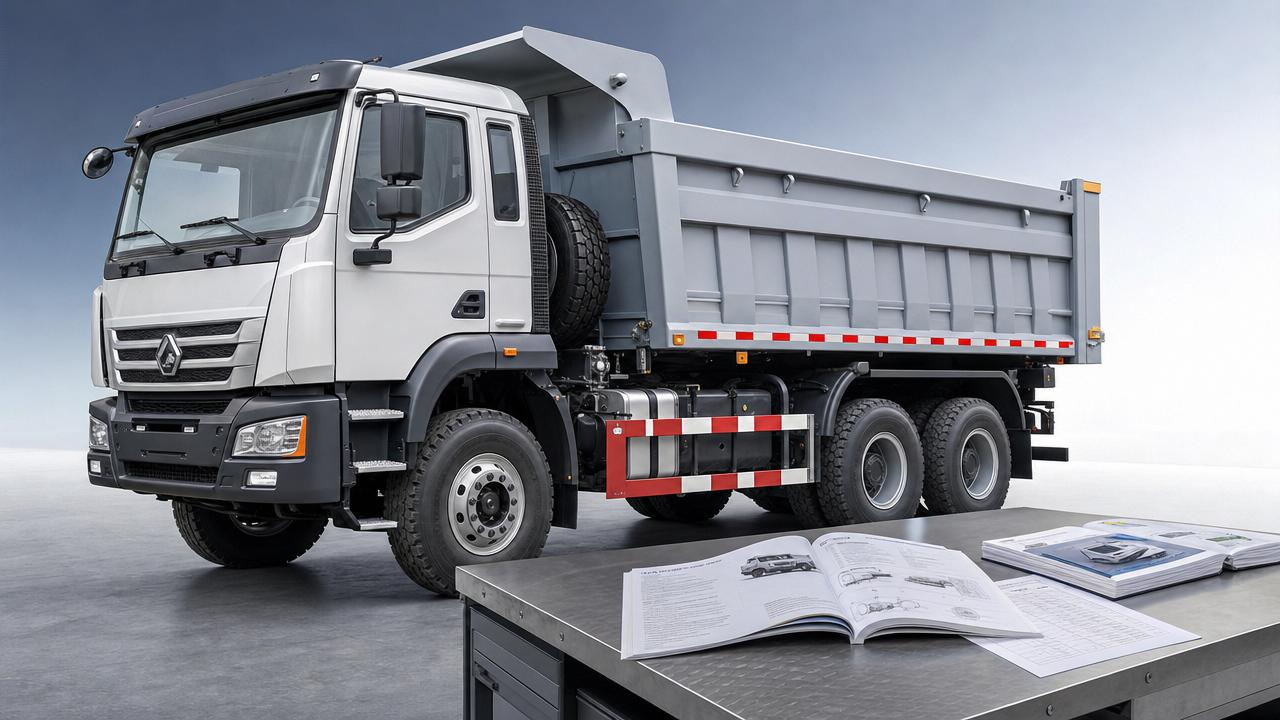
Why does a Cangshan Vehicle Configuration List matter before any model comparison?
A Cangshan Vehicle Configuration List is more than a technical sheet.
It is the shortest path to understanding how a vehicle will actually work, where it can legally operate, and what it may cost over time.
Many people first look at horsepower, cargo size, or price.
That is understandable, but it often leads to weak comparisons.
A better reading method starts with function.
Ask what the engineering vehicle needs to do daily, then read the Cangshan Vehicle Configuration List around that task.
In practical terms, one line in the list may affect payload, road access, fuel use, spare parts planning, or export paperwork.
That is why experienced vehicle exporters and dealers do not read configuration lists as isolated numbers.
They read them as a decision tool.
For engineering vehicles, this matters even more because jobsite conditions are rarely simple.
Ground clearance, axle rating, approach angle, and PTO compatibility can be more important than headline power.
A careful reading helps avoid mismatched models before requesting quotations or arranging shipment.
When reading the list, which specifications deserve attention first?
The fastest way is to separate key items into operating, structural, and compliance categories.
This makes the Cangshan Vehicle Configuration List easier to scan without missing critical details.
If the list is long, start with engine, axle loads, dimensions, and emission standard.
These four often decide whether the model even belongs in the comparison set.
After that, move to tires, suspension, cabin configuration, and any hydraulic or upper-body options.
That second layer is where two similar-looking vehicles usually begin to differ.
Some numbers look similar, so how do you tell which ones change real-world performance?
This is where many readers slow down.
Two models can share similar horsepower yet behave very differently on site.
The reason usually sits in the combination of torque, gearbox ratio, axle ratio, and weight.
Horsepower describes output, but torque and gearing decide how the vehicle feels under load.
For an engineering vehicle working on slopes or rough roads, that combination matters more than a single advertised figure.
The same logic applies to payload-related numbers.
Gross vehicle weight, curb weight, and axle capacity should be read together.
If one value looks strong but the others are tight, usable carrying ability may be lower than expected.
Dimensions also need context.
A longer wheelbase may improve straight-line stability.
However, it can reduce maneuverability in compact worksites.
Larger tires may help ground clearance, but they can influence fuel use and replacement cost.
- Read power figures with transmission and axle data.
- Read payload figures with curb weight and legal limits.
- Read dimensions with road conditions and turning space.
- Read optional systems with the actual job requirement.
That approach turns the Cangshan Vehicle Configuration List from a document into a performance map.
Where do people usually misread a Cangshan Vehicle Configuration List?
Most mistakes come from reading line items alone.
The list may look complete, but several practical risks still hide inside ordinary-looking terms.
Mistake one: assuming standard means suitable
A standard cabin, tire set, or suspension package may fit one route and fail in another.
Engineering vehicles often need configuration matching, not just basic availability.
Mistake two: ignoring compliance details
Emission level, lighting rules, or certificate wording can affect import approval and local registration.
This is especially relevant in cross-border transactions.
Exporters with strong documentation experience usually check this early.
Mistake three: focusing only on purchase cost
A lower initial price can still lead to higher operating expense.
Fuel economy, service intervals, tire replacement frequency, and parts access all matter.
Mistake four: missing optional equipment dependencies
Some hydraulic, PTO, or body options require matching gearbox, frame, or axle specifications.
If that link is missed, later modification becomes slower and more expensive.
In real export work, experienced teams often reduce these risks by checking vehicle selection, customization, documents, and logistics as one process.
That integrated review is one reason established commercial vehicle suppliers remain valuable beyond simple price quoting.
How should you compare two configuration lists without getting lost in details?
A side-by-side comparison works best when the judging criteria are fixed in advance.
Otherwise, every list starts to look equally convincing.
A practical method is to create three decision layers.
- Essential fit: payload, drive type, dimensions, axle rating, emission level.
- Operational fit: fuel tank, suspension, braking, tires, cabin comfort, PTO readiness.
- Transaction fit: delivery lead time, inventory status, documents, after-sales support, spare parts continuity.
That last layer is often overlooked, yet it changes project timing significantly.
For example, a strong Cangshan Vehicle Configuration List still needs reliable supply and correct export handling.
Companies with authorized brand channels, available inventory, and experience in customs and logistics can help confirm whether the listed configuration is actually deliverable.
That matters when reviewing major Chinese commercial vehicle options such as FOTON, SHACMAN, or SINOTRUK for engineering use.
The list below helps keep comparisons practical rather than theoretical.
Before asking for a quote, what should be confirmed from the configuration list?
This is the point where reading turns into action.
A quote is only useful when the underlying Cangshan Vehicle Configuration List is already clear enough to prevent hidden changes.
It helps to confirm five things before moving forward.
- The exact model code and production version.
- Any optional equipment already included or excluded.
- The emission and certification status for the destination market.
- Delivery timing for standard stock versus customized units.
- After-sales and spare parts support linked to that configuration.
In many cases, the smartest next step is not asking for a lower price.
It is asking for a cleaner specification confirmation.
That single step reduces confusion later in customization, shipping, and registration.
For anyone researching commercial vehicles through experienced export channels, this is also where service depth becomes visible.
A professional team should be able to explain the list, highlight differences, and connect technical specs with delivery realities.
What is the simplest way to read a Cangshan Vehicle Configuration List with confidence?
Read it in layers, not in lines.
Start with the mission of the vehicle.
Then check whether the engine, chassis, axle, dimensions, and compliance items support that mission.
After that, move to options, operating cost factors, and delivery feasibility.
That is usually enough to spot whether a model deserves deeper review.
The main value of a Cangshan Vehicle Configuration List is clarity.
It helps separate impressive-looking data from useful specifications.
For engineering vehicles, that difference affects performance, compliance, lifecycle cost, and delivery confidence.
If the next step is model comparison, prepare a shortlist of must-check parameters and review them against the actual work scenario.
If the next step is quotation or export planning, confirm the final configuration, documents, and support process before judging price alone.
That is how a complex configuration sheet becomes a practical decision reference.
Search Starts Here