
News
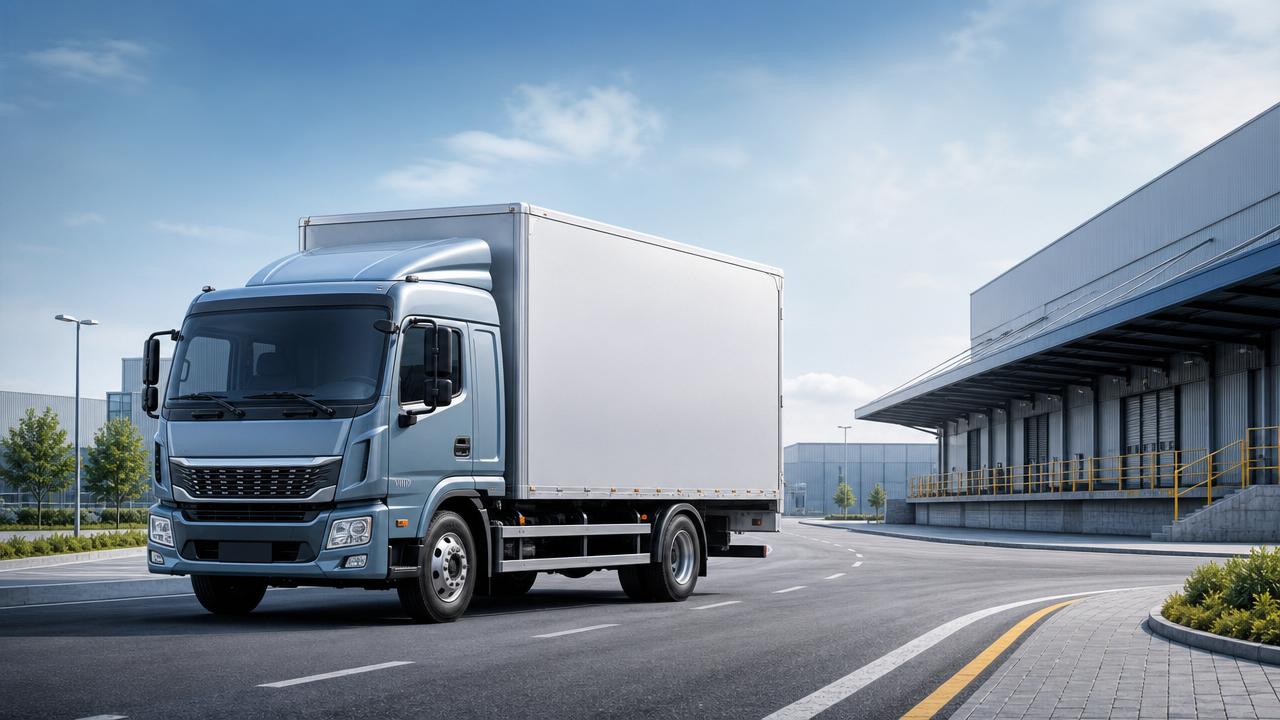
For businesses and owner-operators seeking efficient transport solutions, the 4_2 Cargo Truck stands out as a practical choice for urban and regional delivery. With its balanced payload capacity, flexible maneuverability and cost-effective performance, it meets the demands of city streets and short-haul routes alike. Understanding where this truck works best can help buyers choose the right vehicle for reliable, profitable operations.
What makes a 4_2 Cargo Truck a smart fit for urban and regional delivery?
In the commercial vehicle market, the 4_2 Cargo Truck is often selected by end users who need a practical balance between load capacity, road adaptability and operating cost. In simple terms, a 4x2 drivetrain means one rear axle is driven while the front axle handles steering. This layout is common in medium-duty transport because it reduces mechanical complexity and supports lower fuel consumption compared with heavier multi-axle configurations.
For urban logistics, retail distribution, construction-support transport and regional cargo movement, this truck type solves a common problem: many buyers need more payload and body space than a light truck can offer, but they do not want the higher running cost and route restrictions that often come with larger heavy-duty units. That is exactly where the 4_2 Cargo Truck becomes highly competitive.
In engineering vehicle related operations, this truck category is also valued for mixed-use work. It can carry packaged materials, equipment, hardware, pipe fittings, electrical supplies, maintenance tools and project support cargo between warehouses, urban sites and suburban job locations. For contractors, fleet operators and independent transport owners, flexibility is not a luxury. It is a profit factor.
- It is easier to maneuver in narrow city roads, industrial parks, loading bays and market distribution areas.
- It generally offers a stronger payload-to-cost ratio than smaller cargo vans or mini trucks.
- It is suitable for repeated daily trips where uptime, maintenance control and delivery speed matter more than maximum tonnage.
- It adapts well to different cargo bodies, including box bodies, stake beds, van bodies and special-purpose configurations.
Why end buyers often choose this configuration
Most end consumers are not simply buying a truck. They are buying delivery efficiency, route access, maintenance predictability and business continuity. If the vehicle is too small, revenue per trip drops. If the vehicle is too large, fuel use, licensing pressure and operating limitations can rise. A well-matched 4_2 Cargo Truck helps close that gap.
Which delivery scenarios work best for a 4_2 Cargo Truck?
The best way to judge whether a 4_2 Cargo Truck fits your operation is to evaluate real routes, cargo type and delivery frequency. The table below compares common urban and regional applications and shows why this vehicle type performs well in each one.
These scenarios show a key point: the 4_2 Cargo Truck performs best when routes involve medium payloads, regular scheduling and the need to move efficiently between congested urban roads and nearby regional destinations. It is less about extreme off-road capability and more about repeatable, controlled productivity.
Four especially suitable use cases
If you are still narrowing down your buying decision, focus on these four use cases where a 4_2 Cargo Truck usually delivers strong value.
- Multi-stop city delivery where route flexibility matters more than very high tonnage.
- Regional warehouse-to-dealer distribution within short and medium day-trip distance.
- Construction project support where cargo changes frequently and body adaptability is important.
- Owner-operator transport business models that depend on low downtime and manageable operating expenses.
How does a 4_2 Cargo Truck compare with other delivery vehicle options?
Many buyers compare a 4_2 Cargo Truck with light-duty trucks, heavy cargo trucks or even cargo vans. The right choice depends on route type, body size requirement, local regulation and expected return per trip. The table below gives a practical comparison for buyers making a procurement decision.
The comparison makes one buying principle clear. If your business needs more than a light truck can carry, but does not require the cost profile of a heavy unit, the 4_2 Cargo Truck is often the most rational middle ground. This is why it remains a preferred format in many delivery fleets.
A practical decision rule
Choose this truck category when your route network includes city entry, repeated loading and unloading, moderate daily mileage and cargo that benefits from larger body volume without requiring a full heavy-duty chassis. That is a common pattern in building supply transport, spare parts distribution, equipment support logistics and wholesale product delivery.
What technical points should buyers check before ordering?
When evaluating a 4_2 Cargo Truck, buyers should avoid choosing only by appearance or price. The real value comes from matching technical configuration to route conditions, loading habits and local compliance needs. Even within the same drivetrain type, different chassis and body combinations can produce very different operating results.
Key technical areas to review
- Engine output and torque curve: buyers handling stop-and-go city routes may prioritize fuel economy and low-speed pulling performance.
- Transmission matching: gear ratios influence climbing performance, urban drivability and fuel use on short regional trips.
- Wheelbase and body length: these directly affect turning radius, cargo volume and loading dock compatibility.
- Suspension and axle rating: these should match actual loading patterns, especially for engineering supplies or denser cargo.
- Brake system and safety features: for city delivery, frequent braking and mixed traffic exposure make reliable stopping performance essential.
- Cab comfort and visibility: driver fatigue affects delivery efficiency and safety, especially on repeated daily routes.
Body and application matching
A truck chassis alone does not define suitability. Buyers should also determine whether they need a box cargo body for weather-sensitive goods, a flatbed or stake body for engineering materials, or a special body for project support. In many cases, the best purchase is not the cheapest standard unit but the one that reduces loading time, cargo damage and route inefficiency over months of use.
How to choose the right 4_2 Cargo Truck for your business model
Procurement becomes easier when buyers convert broad needs into measurable selection criteria. The table below can be used as a simple decision framework before requesting a quotation or customization plan.
This type of structured selection can prevent expensive mistakes. Many buyers focus on payload alone, but route access, body type, after-sales support and parts availability often have a bigger impact on long-term profitability than a small difference in list price.
Common buying mistakes to avoid
- Ordering a larger body without checking turning radius and city loading conditions.
- Ignoring local registration or import compliance requirements until shipment is already arranged.
- Selecting a configuration designed for highway freight when the real task is frequent stop-start urban delivery.
- Comparing purchase prices without comparing inventory stability, parts support and delivery lead time.
What about cost, supply stability and export service?
For many end consumers, the question is not only which 4_2 Cargo Truck to buy, but how to buy it with less risk. Commercial vehicle procurement often involves lead time pressure, uncertain documentation requirements and concerns about parts support after delivery. These issues are especially important in cross-border purchasing.
Shandong Livol Truck International Trade Co., Ltd. addresses these concerns through a practical supply and service model. As an authorized domestic and overseas dealer for FOTON, SHACMAN and SINOTRUK, the company can support different customer preferences across mainstream Chinese commercial vehicle platforms. Its authorized 4S store network in China and sufficient vehicle inventory help reduce supply uncertainty and improve delivery responsiveness.
For buyers of a 4_2 Cargo Truck, this matters in several ways. First, inventory and authorized sourcing can reduce the risk of specification mismatch. Second, a professional export team can help clarify the vehicle selection process, documentation workflow and shipping arrangement before the order reaches a critical stage. Third, customization options can be aligned with actual transport needs rather than treated as an afterthought.
Typical service steps that reduce procurement risk
- Confirm use scenario, cargo type, route condition and target budget.
- Match the suitable 4_2 Cargo Truck platform, body style and configuration.
- Check required documentation, destination-country import needs and basic compliance points.
- Arrange customization if needed, including body adaptation and practical operational details.
- Coordinate inspection, customs clearance and logistics scheduling.
- Provide after-sales communication support for operation and maintenance follow-up.
What compliance and operational checks should buyers prepare for?
Although exact standards depend on the destination market, buyers should treat compliance review as part of the purchase decision, not as a post-order task. Commercial vehicle imports may involve emission requirements, axle load rules, lighting standards, safety marking needs, body dimension restrictions or registration paperwork. A 4_2 Cargo Truck that fits your business technically must also fit your market legally.
It is also wise to verify routine operational points before shipment. These include spare parts planning, tire specification suitability, service intervals, fluid requirements and the availability of maintenance support in the receiving country. In engineering-related delivery work, downtime can disrupt project schedules and increase indirect cost, so pre-delivery clarity matters.
- Ask for a full configuration list and confirm it against local operating conditions.
- Check whether body dimensions and gross vehicle limits align with destination regulations.
- Confirm document preparation early to avoid customs or registration delay.
- Request guidance on recommended consumables and basic maintenance planning.
FAQ about choosing a 4_2 Cargo Truck
Is a 4_2 Cargo Truck suitable for both city delivery and intercity short-haul work?
Yes, that dual-use ability is one of its main advantages. It performs well when a business needs to enter urban areas for loading and unloading, but also travel to nearby towns, warehouses or project sites within the same operating cycle. The key is choosing the right wheelbase, body length and engine-transmission match for your route pattern.
What should I prioritize first: payload, body volume or fuel economy?
Start with actual cargo characteristics and route limits. If your goods are bulky but not very dense, body volume may matter more than nominal payload. If cargo is dense, axle rating and loading distribution become more important. If your truck runs repeated daily trips, fuel economy and maintenance intervals may have a stronger effect on long-term profit than a small payload increase.
Can a 4_2 Cargo Truck be customized for engineering or construction support use?
In many cases, yes. Buyers often need body adaptation, storage arrangement, side access convenience or configuration changes based on project cargo. A proper exporter can help evaluate whether a standard cargo body, flatbed or other practical body format best suits the work. Customization should always begin with real operating details rather than generic assumptions.
How can I reduce risk when importing a 4_2 Cargo Truck?
Reduce risk by confirming vehicle specification, destination compliance needs, document preparation, inventory status and logistics timing before finalizing the order. Working with an experienced exporter that offers full-process support from selection to customs clearance can help avoid errors that are expensive to fix after shipment.
Why choose us for your 4_2 Cargo Truck procurement?
If you are buying a 4_2 Cargo Truck for urban delivery, regional transport or engineering-support logistics, you need more than a product list. You need a supplier that can help confirm the right configuration, coordinate customization, support documentation and keep delivery plans realistic. Shandong Livol Truck International Trade Co., Ltd. provides that practical support through authorized brand resources, stable inventory, export experience and full-process service.
You can contact us to discuss specific issues such as payload and body matching, route-based model selection, box body or flatbed customization, expected delivery cycle, destination-country document preparation, shipping arrangement and after-sales support planning. If you are comparing FOTON, SHACMAN and SINOTRUK options for a 4_2 Cargo Truck, we can also help you narrow down the most suitable platform according to your budget and usage scenario.
For buyers who want clearer procurement decisions and fewer import surprises, an early consultation is often the fastest way to save time and control risk. Share your cargo type, route conditions, target market and expected quantity, and we can help you evaluate suitable configurations, lead time expectations, customization possibilities and quotation details.
Search Starts Here