News
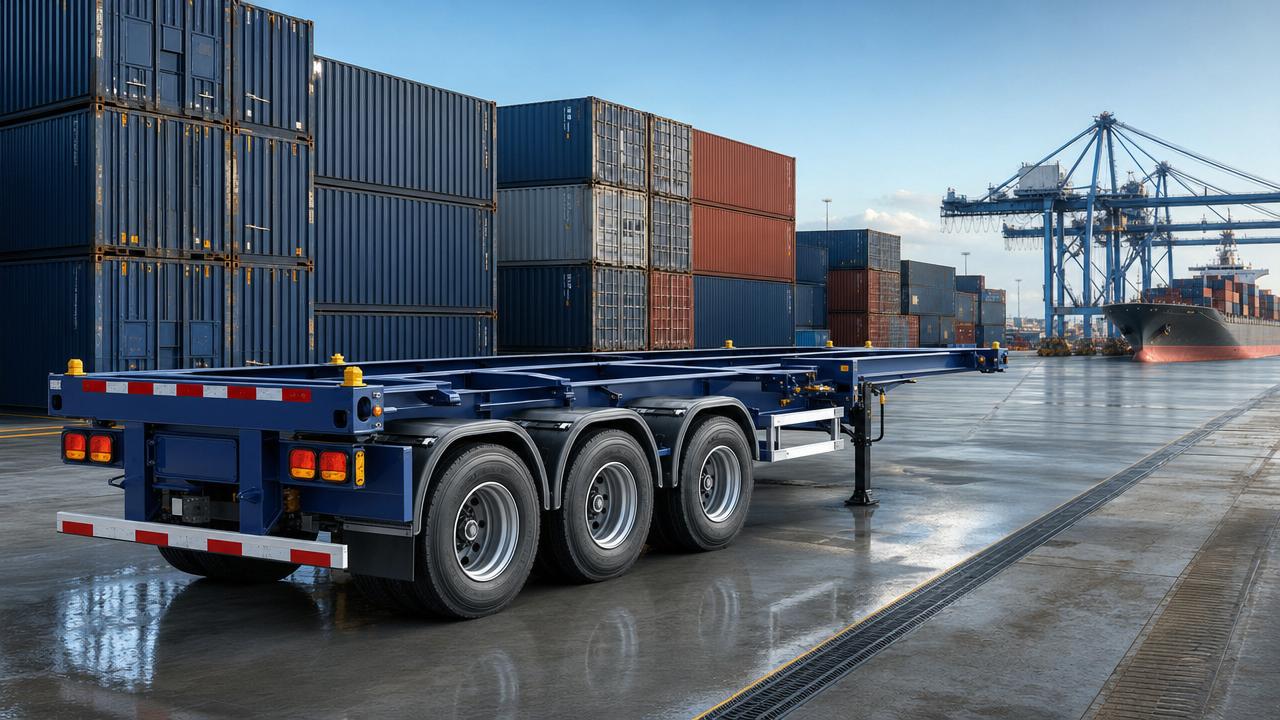
Before placing an order in 2026, buyers should look beyond the initial quote and assess the real cost risks of a Skeleton (Container) Semi-Trailer. From raw material fluctuations and configuration choices to compliance, shipping, and after-sales support, every detail can affect total procurement value. This guide helps purchasing professionals identify key risk factors and make more cost-effective, reliable decisions before signing a contract.
For most procurement teams, the biggest mistake is treating a Skeleton (Container) Semi-Trailer as a standard, price-led purchase. In reality, the lowest quotation often hides the highest lifecycle risk.
The core buying intent behind this topic is clear: purchasers want to understand what can increase actual landed cost, delay operations, create compliance problems, or reduce trailer service life after delivery.
That means the most useful article is not a generic product overview. Buyers need a practical risk-check framework covering steel cost exposure, specification matching, certification, freight, spare parts, warranty terms, and supplier reliability.
Why 2026 May Be a More Sensitive Year for Skeleton Trailer Procurement
In 2026, cost risk is likely to be more complex than simple factory pricing. Buyers may face continued volatility in steel, shipping, exchange rates, and region-specific compliance requirements.
For a Skeleton (Container) Semi-Trailer, even small changes in raw material cost can move the final quotation noticeably. Chassis structure, cross-member thickness, locking system quality, and axle brand all affect cost.
At the same time, many importers are under pressure to reduce total ownership cost, not just purchase cost. That makes pre-order evaluation far more important than negotiating a slightly lower unit price.
If your business depends on stable container movement, a trailer failure or customs delay can cost much more than the difference between two supplier quotes. Procurement decisions should reflect that reality.
Look Beyond the Unit Price: Define the Real Total Cost
The first risk to check before ordering is whether the quote reflects the real procurement scope. A low base price may exclude items you assumed were included.
Ask suppliers to break down the quotation clearly. Confirm whether the price includes axles, tires, landing gear, twist locks, painting standard, tool box, spare wheel carrier, and export packaging.
Also verify what commercial term is being used. EXW, FOB, CFR, and CIF can change your landed cost significantly. Comparing quotes without aligning Incoterms creates a misleading price picture.
Procurement teams should build a total cost sheet covering factory price, inland transport, port charges, ocean freight, import duties, local registration, inspection, and expected maintenance cost.
This approach helps reveal whether a cheaper trailer is still competitive after freight, tax, and service support are added. In many cases, the true lowest-cost option is not the lowest ex-factory quote.
Steel and Raw Material Fluctuation Can Reshape the Quote Quickly
Skeleton semi-trailers are steel-intensive products, so raw material movements directly affect pricing. If your order cycle is long, the quotation validity period becomes a serious risk point.
Do not assume a quoted price will remain fixed until production starts. Confirm how long the offer is valid and whether the supplier can lock pricing after deposit receipt.
It is also wise to ask what grade of steel is being used. Higher-strength steel may cost more initially, but it can improve structural performance and reduce long-term cracking risk.
Some suppliers may lower the quote by reducing steel thickness or changing material specification. That saves money on paper but can weaken durability, especially in overloaded or rough-road conditions.
Purchasers should request a technical drawing or configuration sheet showing frame dimensions, beam material, thickness, and reinforcement points. Cost control should never come from hidden structural downgrades.
Wrong Configuration Is One of the Most Expensive Procurement Mistakes
A Skeleton (Container) Semi-Trailer should be matched to your actual operating environment. Buying the wrong configuration can create inefficiency, damage, compliance trouble, or underutilization.
Start with the container type and loading pattern. Will the trailer carry 20ft, 40ft, or mixed container sizes? Do you need fixed or extendable structure? How often will the load change?
Then evaluate road condition, axle load regulation, and average trip distance. A trailer used inside ports has different requirements from one used on long regional or cross-border routes.
Axle number, suspension type, tire specification, and kingpin setup must match local infrastructure and regulations. Over-specifying raises cost, but under-specifying creates downtime and higher wear.
For example, mechanical suspension may be economical for some applications, while air suspension may be necessary where cargo protection, ride quality, or regulation demands it. The right choice depends on use case.
Compliance Risks Can Destroy the Value of a Cheap Order
One of the most overlooked cost risks is regulatory mismatch. A trailer that is cheap to buy can become expensive or unusable if it fails local import, registration, or road compliance requirements.
Before ordering, confirm dimensions, axle spacing, lighting, reflective markings, braking system, ABS requirements, and load rating against destination-country rules. Do this before production, not after shipment.
Ask the supplier which export markets they already serve and what certifications or conformity documents they can provide. Experience with your region often reduces documentation errors and customs friction.
It is also important to verify VIN or chassis identification standards, inspection records, and any mandatory homologation support. Missing paperwork can cause delays, penalties, or modification cost after arrival.
For procurement teams, compliance is not a paperwork detail. It is a direct cost-control item that affects import speed, deployment timing, and legal usability.
Shipping and Delivery Delays Should Be Costed as a Real Risk
Even when factory pricing is acceptable, logistics risk can still damage project economics. Delivery delays can affect fleet planning, customer contracts, and container transport capacity.
Check the supplier’s real production lead time, not just the sales promise. Ask whether the quoted schedule depends on current inventory, confirmed parts supply, or future raw material purchase.
Also ask how the trailers will be shipped. Different packing and loading methods influence freight cost, transit damage risk, and port handling efficiency. These details matter in budget planning.
For international buyers, customs documentation accuracy is equally important. Errors in invoice, packing list, bill of lading, or certificate details can create demurrage and unnecessary port storage charges.
A supplier with a mature export process can reduce these hidden logistics costs substantially. That is especially valuable when ordering multiple units or serving time-sensitive fleet expansion projects.
After-Sales Support Has a Direct Impact on Lifecycle Cost
Many buyers focus heavily on purchase price and overlook service support. However, for commercial transport equipment, poor after-sales response often turns into longer downtime and higher repair expense.
Check what warranty is actually covered. Does it include the frame, axles, suspension, landing gear, electrical system, and consumable-related items? How are claims handled for overseas customers?
Ask whether spare parts are available quickly and whether the supplier can support parts identification through chassis records or configuration archives. This becomes critical once trailers enter daily operation.
It is also useful to evaluate the supplier’s communication speed and technical support quality before ordering. A responsive team during quotation stage is more likely to support you after delivery.
Shandong Livol Truck International Trade Co., Ltd., for example, emphasizes full-process service, stable supply, and professional after-sales coordination, which are important factors for international procurement reliability.
Supplier Capability Matters More Than Many Buyers Expect
Not all suppliers offering Skeleton (Container) Semi-Trailer products have the same manufacturing control, export experience, or quality discipline. Supplier capability is itself a major cost risk variable.
Procurement teams should review whether the supplier has stable factory resources, inspection procedures, and proven export cases. Ask for production photos, test records, and past shipment references where possible.
It is also worth checking whether the supplier understands customization clearly. Miscommunication around axle brand, locking positions, beam size, or color specification can lead to rework and dispute cost.
Strong suppliers usually provide structured documentation, faster feedback, and clearer technical confirmation. These traits reduce procurement uncertainty long before the trailer is loaded for shipment.
For international buyers, a company with strong industry relationships, sufficient stock resources, and practical global trade experience can often manage both supply continuity and issue resolution more effectively.
How to Compare Quotes Without Falling Into a Price Trap
When several quotes arrive, do not compare them line by line only by final number. Instead, normalize each offer into the same commercial and technical framework.
Make a checklist covering frame specification, axle brand and capacity, suspension type, tire model, braking system, paint process, twist lock quantity, warranty scope, delivery time, and Incoterms.
Then score each supplier on both price and risk. A quote that is 3% lower may not be attractive if lead time is unstable, compliance support is weak, or spare parts access is uncertain.
It is also smart to calculate expected annual downtime risk and maintenance impact. Procurement value should be measured in operational output, not just invoice amount.
This method helps buyers defend their decision internally. It also supports more professional negotiation because discussions shift from “cheapest price” to “best controlled total procurement risk.”
Practical Questions Buyers Should Ask Before Signing the Contract
Before confirming the order, ask several direct questions that expose hidden cost risks early. These questions often reveal more than a polished brochure or aggressive discount offer.
What exactly is included in the quoted price? What technical drawing confirms the trailer configuration? What is the steel specification? What is the quote validity period?
What certifications and export documents can be provided for my country? What is the guaranteed production lead time? How are delay, defect, or damage issues handled contractually?
What spare parts support is available after shipment? Which components are from recognized brands, and which are generic? Can the supplier share inspection records before dispatch?
If answers are unclear, inconsistent, or delayed, that is already a procurement signal. Risk often appears first in communication quality, then later in delivery or product performance.
Final Evaluation: What a Cost-Smart Order Looks Like in 2026
A cost-smart order in 2026 is not simply the cheapest Skeleton (Container) Semi-Trailer you can source. It is the one with the best balance of price, fitness for use, compliance, delivery stability, and support.
Purchasing professionals should judge suppliers on total landed cost and expected operating reliability. The right trailer should arrive on time, match local regulations, fit the workload, and remain serviceable for years.
That requires early due diligence, specification discipline, and careful quote comparison. It also means working with exporters who understand international documentation, customization, and after-sales coordination.
In short, the biggest cost risks before ordering are rarely hidden in one dramatic issue. They come from small unchecked details that compound across production, shipping, compliance, and operation.
If you review those details before signing, you are far more likely to secure a trailer purchase that protects budget, supports uptime, and delivers real commercial value over the long term.
Search Starts Here