
News
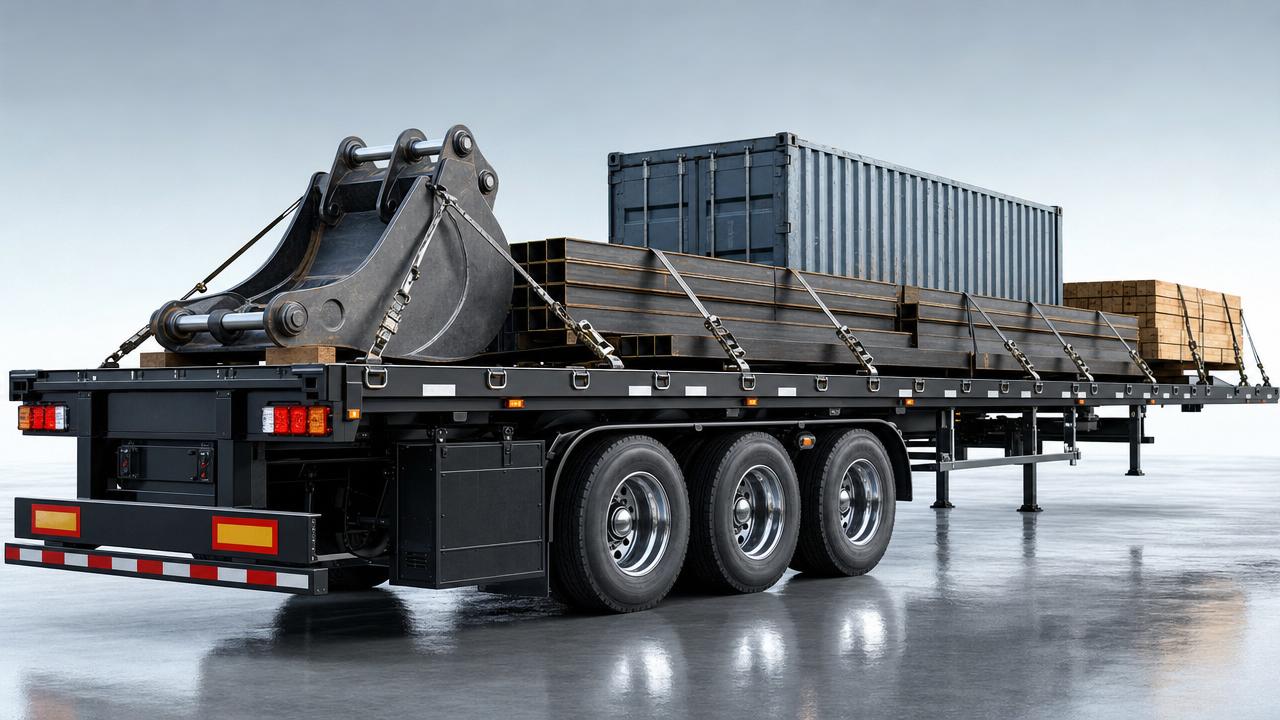
As global logistics and construction demands evolve, the Flatbed Semi-Trailer is becoming a strategic asset for businesses seeking greater equipment compatibility and cargo flexibility in 2026.
In engineering vehicle transport, trend awareness now affects uptime, route planning, compliance, and total operating cost. The right trailer specification can improve loading efficiency and reduce cargo handling limits.
This guide answers the most practical questions about Flatbed Semi-Trailer trends, buying logic, risk points, and export-ready supply considerations for the coming year.
What is changing in the 2026 Flatbed Semi-Trailer market?
The 2026 Flatbed Semi-Trailer market is shifting from basic transport capacity toward multi-scenario adaptability. Buyers increasingly want one platform to handle machinery, steel, containers, timber, and project cargo.
This change is driven by tighter delivery schedules, mixed cargo demand, and pressure to maximize trailer utilization. A trailer parked between specialized jobs is a cost burden.
As a result, design priorities now include modular lashing points, stronger deck materials, optimized axle layouts, and compatibility with loading equipment used on construction sites.
Another trend is export-oriented standardization. Many buyers want a Flatbed Semi-Trailer that can be adapted for local regulations without major structural redesign.
Digital fleet management also matters more. Trailer traceability, maintenance scheduling, and component sourcing influence lifecycle reliability, especially for cross-border engineering transport operations.
Key 2026 trend signals
- Higher demand for cargo flexibility across industries
- More attention to tare weight versus payload balance
- Growing preference for durable, maintenance-friendly structures
- Increased need for export documents and technical customization
- Stronger focus on long-term parts support and delivery stability
Why does cargo flexibility matter more for engineering vehicle operations?
Engineering transport rarely follows a single cargo pattern. One week may require moving excavator attachments, and the next may involve pipes, plate materials, or prefabricated structures.
A flexible Flatbed Semi-Trailer reduces dependence on multiple trailer types. That supports better fleet scheduling and lowers idle asset pressure during project transitions.
Flat deck accessibility is another advantage. Loading from the side, rear, or top allows easier coordination with cranes, forklifts, and site-based lifting equipment.
For oversized or irregular cargo, proper tie-down distribution is critical. A well-designed Flatbed Semi-Trailer helps secure machinery safely without forcing unsafe compromise points.
This matters in construction corridors, mining support routes, port transfers, and regional infrastructure projects where cargo dimensions change frequently.
Typical applications with high flexibility requirements
- Construction machinery and spare attachments
- Steel coils, beams, and fabricated frames
- Timber, pallets, and industrial components
- Container-compatible general cargo movements
- Project materials for road, bridge, and energy works
How should a Flatbed Semi-Trailer be selected for 2026 equipment compatibility?
Selection should begin with cargo reality, not only brochure specifications. Length, deck height, axle number, suspension type, and steel grade must match actual transport conditions.
Deck structure is a top priority. Equipment with concentrated wheel loads requires a stronger platform than general building materials or pallet cargo.
Axle configuration should be judged by legal road limits and terrain. Overbuilding raises tare weight, while underspecification can shorten service life.
Suspension choices also affect use cases. Mechanical suspension often offers simplicity and ruggedness, while air suspension may improve cargo protection on sensitive loads.
Tie-down system layout deserves close review. More lashing positions create better adaptability when handling mixed shapes or changing center-of-gravity conditions.
For export orders, dimensions and compliance details should be confirmed early. That includes braking systems, lighting, reflective markings, and documentation standards.
Selection checklist
- Define cargo categories and maximum load concentration
- Confirm route restrictions and legal payload limits
- Choose deck length and height for loading practicality
- Match axle and suspension to road and site conditions
- Review spare parts availability and after-sales response
- Verify export documents and customization feasibility
What are the main differences between a standard trailer and a more future-ready Flatbed Semi-Trailer?
The difference is not only stronger steel or higher payload. A future-ready Flatbed Semi-Trailer is designed for variable operating scenarios and easier lifecycle management.
Standard versions may handle routine loads well, but they often lack optimized securing options, service-friendly parts arrangements, or market-specific customization support.
Future-ready models usually deliver better compatibility with engineering cargo, faster parts replacement, and more efficient adaptation for international shipment requirements.
What risks and buying mistakes should be avoided?
A common mistake is selecting only by purchase price. A low-cost Flatbed Semi-Trailer can create hidden losses through poor durability, repair delays, or limited cargo adaptability.
Another risk is ignoring deck load distribution. Payload capacity on paper does not guarantee safe transport for heavy equipment with concentrated contact points.
Some buyers also underestimate compliance details. Lighting, brake standards, plate positions, and customs documents can delay delivery or local registration.
After-sales capability is equally important. Even a durable Flatbed Semi-Trailer needs wear parts, service guidance, and responsive communication over time.
Finally, avoid choosing a supplier without stable inventory or export coordination experience. Delays in production, paperwork, or shipping can disrupt project schedules.
Risk reminder table
How can a reliable export partner improve Flatbed Semi-Trailer results in 2026?
A reliable exporter does more than arrange shipment. It supports model selection, customization planning, quality inspection, documentation, customs coordination, and delivery scheduling.
This becomes especially valuable when the Flatbed Semi-Trailer must align with engineering vehicle operations, local road conditions, and destination market regulations.
Shandong Livol Truck International Trade Co., Ltd. provides this integrated approach. Based in Shandong, China, the company offers strong industry resources and practical export experience.
As an authorized domestic and overseas dealer for FOTON, SHACMAN, and SINOTRUK, it supports stable sourcing through extensive 4S networks and sufficient inventory.
Its export team manages vehicle selection, customization, documentation, customs clearance, and logistics. That helps reduce uncertainty across the delivery process.
For buyers evaluating a Flatbed Semi-Trailer for 2026, this kind of full-process support can shorten lead times and improve fit between trailer specification and real operating demand.
Quick FAQ summary
The 2026 Flatbed Semi-Trailer is no longer a simple hauling platform. It is becoming a flexible engineering transport solution shaped by cargo diversity, equipment compatibility, and export readiness.
A better decision starts with real operating data, clear compliance checks, and dependable supply support. That approach improves utilization and reduces avoidable lifecycle risk.
If the next project requires a Flatbed Semi-Trailer matched to construction transport realities, the next step is to review cargo profiles, route limits, and customization needs in detail.
Search Starts Here