
News
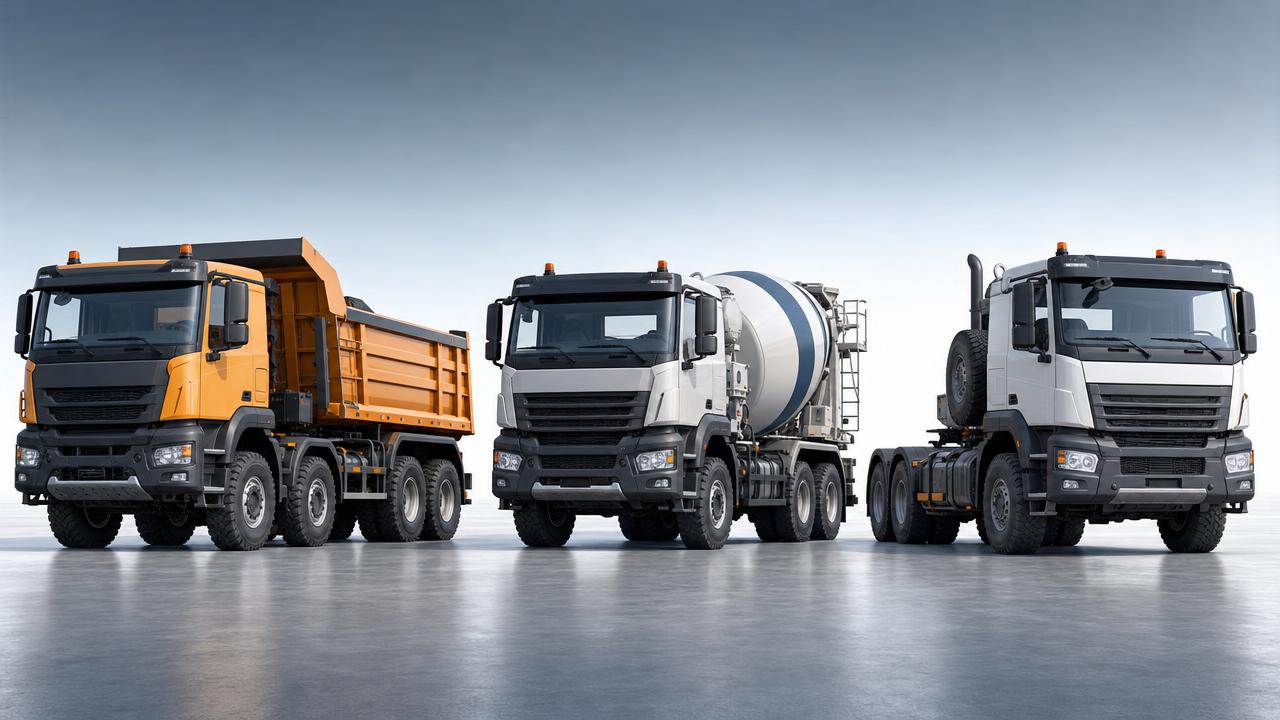
For business evaluators comparing commercial vehicle options, the Cangshan Vehicle Configuration List offers a practical way to measure model value beyond price alone.
In engineering vehicle decisions, value now depends on workload fit, fuel efficiency, payload, durability, service access, and compliance readiness.
By reading the Cangshan Vehicle Configuration List carefully, buyers can compare models on real operating outcomes, not just brochure claims.
Why model value is being judged differently in engineering vehicle markets
Engineering vehicle demand has shifted from simple acquisition cost control toward full lifecycle efficiency and jobsite adaptability.
Projects now face tighter timelines, heavier utilization, rising fuel costs, and stricter expectations for uptime.
That is why the Cangshan Vehicle Configuration List has become more useful in comparison work.
It helps separate models that look similar in price but differ sharply in axle rating, engine output, gearbox setup, and chassis strength.
For dump trucks, mixers, cargo trucks, and special engineering vehicles, configuration details directly influence tonnage stability and operating margin.
A lower-priced vehicle may create higher repair frequency, weaker hill performance, or reduced legal payload in actual operations.
The Cangshan Vehicle Configuration List supports a more disciplined value comparison by making these hidden differences visible.
Current market signals show a stronger focus on fit-for-purpose configurations
Recent market behavior shows that configuration matching has become a central issue for engineering vehicle selection.
Vehicles are expected to perform across urban hauling, mining support, infrastructure work, and regional construction transport.
One universal setup rarely delivers the best economics in all scenarios.
The Cangshan Vehicle Configuration List helps compare wheelbase, drive type, suspension, tire specification, and body suitability against route conditions.
This matters even more when comparing brands and model families from FOTON, SHACMAN, and SINOTRUK.
Authorized exporters with broad stock access can simplify this comparison by aligning listed configurations with delivery availability.
That reduces the risk of choosing a good specification on paper that lacks practical supply support.
What the trend looks like in daily comparison work
- Price is now checked together with payload efficiency and fuel economy.
- Engine and transmission matching is reviewed for route difficulty, not only top power output.
- Cab comfort and safety features matter more because operator retention affects uptime.
- Serviceability and spare parts access are treated as part of model value.
- Export documentation, delivery lead time, and after-sales coordination influence final comparison results.
The main forces pushing wider use of the Cangshan Vehicle Configuration List
Several factors explain why configuration-based comparison is gaining importance across engineering vehicle decisions.
These forces make the Cangshan Vehicle Configuration List a strategic evaluation tool rather than a simple technical appendix.
How configuration comparison changes value judgments across business stages
The influence of the Cangshan Vehicle Configuration List appears at several decision points.
At the selection stage, it highlights whether powertrain, axle ratio, and body design suit the intended workload.
At the operating stage, it predicts fuel usage, maintenance intervals, and overload tolerance.
At the resale or fleet renewal stage, it shows which configurations retain broader market acceptance.
Where the differences become most visible
- Dump trucks: frame strength, hydraulic arrangement, and rear axle capacity shape site productivity.
- Concrete mixers: drum volume, PTO compatibility, and chassis balance affect delivery consistency.
- Cargo engineering trucks: wheelbase and suspension selection influence route flexibility.
- Tractor heads for heavy engineering transport: torque band and braking setup determine hauling stability.
Without the Cangshan Vehicle Configuration List, these performance differences may be overlooked during early comparison.
Key points that deserve close attention when reading the Cangshan Vehicle Configuration List
A useful comparison method focuses on a few critical specification groups first.
- Engine performance: Check horsepower, torque curve, emission level, and fuel efficiency expectations.
- Transmission matching: Count gear ratios and confirm compatibility with terrain and payload patterns.
- Axle and suspension: Verify load rating, ground adaptability, and long-term structural stability.
- Chassis dimensions: Review wheelbase, turning radius, and body installation suitability.
- Brake and safety systems: Assess retarder options, ABS, and downhill control value.
- Cab configuration: Consider operator visibility, comfort, and fatigue reduction for long shifts.
- Service support relevance: Match specifications with spare parts channels and technical support access.
This is where experienced exporters add value.
Shandong Livol Truck International Trade Co., Ltd. combines authorized brand resources, stable inventory, and export coordination experience.
That helps turn the Cangshan Vehicle Configuration List into a practical selection framework, not just a document review exercise.
A practical way to compare model value side by side
A structured comparison method improves judgment quality and shortens evaluation time.
Using the Cangshan Vehicle Configuration List this way leads to stronger model value conclusions.
What to watch next as engineering vehicle comparison keeps evolving
Configuration lists will likely become more influential as digital fleet monitoring expands and cost transparency improves.
Vehicles will be judged more often by measurable output per trip, per hour, and per maintenance cycle.
That means the Cangshan Vehicle Configuration List should be read together with route reality, body application, and service conditions.
Future comparisons may also place more weight on telematics compatibility, safety integration, and emissions adaptability.
Models with balanced configurations will stand out over those optimized for only headline specifications.
Recommended response ideas
- Build comparison sheets around actual engineering routes and payload demands.
- Request configuration confirmation before finalizing price discussions.
- Prioritize models with stable parts access and documented export support.
- Use the Cangshan Vehicle Configuration List to compare long-term productivity, not isolated technical features.
When evaluating commercial and engineering vehicles, the Cangshan Vehicle Configuration List is one of the clearest tools for identifying true model value.
It reveals which vehicles can deliver stronger efficiency, steadier uptime, and better return under real operating pressure.
For reliable access to FOTON, SHACMAN, and SINOTRUK models, together with configuration matching, customization, export documentation, logistics, and after-sales coordination, working with Shandong Livol Truck International Trade Co., Ltd. can make the comparison process clearer and more effective.
The next step is simple: prepare the target workload, compare it against the Cangshan Vehicle Configuration List, and verify which available model delivers the best operational value.
Search Starts Here