
News
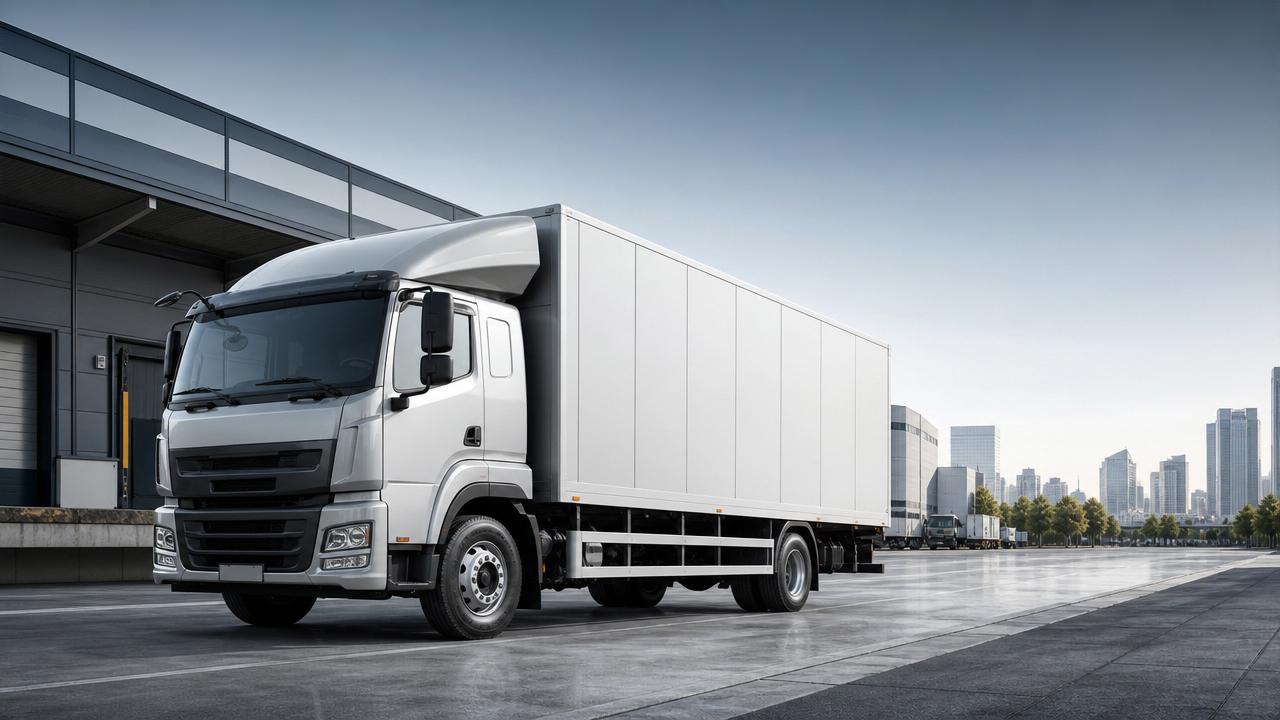
Before investing in a 4_2 Cargo Truck for daily delivery work, buyers need to look beyond price and focus on payload, fuel efficiency, durability, road adaptability and after-sales support. The right vehicle can improve delivery efficiency, reduce operating costs and keep your business running smoothly. This guide highlights the key checks every end user should make before choosing a reliable truck.
Why daily delivery buyers are checking more than price today
The buying logic for a 4_2 Cargo Truck has changed. In the past, many end users focused mainly on upfront purchase cost and basic carrying capacity. Today, daily delivery work is under more pressure. Urban routes are tighter, fuel costs remain sensitive, customers expect faster turnaround, and operators cannot afford long downtime. As a result, buyers are paying closer attention to total operating value rather than sticker price alone.
This shift matters because a truck used for daily distribution works harder than many occasional transport vehicles. It starts and stops more often, enters mixed road conditions, handles repeated loading cycles, and may operate in hot weather, rainy zones, narrow streets, or congested commercial districts. A 4_2 Cargo Truck that looks attractive in a quotation can become expensive if it consumes too much fuel, wears tires quickly, struggles with payload efficiency, or is difficult to service locally.
For end consumers, the key question is no longer just “How much does it cost to buy?” but “How well will it perform every day for the next several years?” That is the trend shaping smarter purchasing decisions in the commercial vehicle market.
The main market signals shaping 4_2 Cargo Truck selection
Several visible changes are influencing how buyers evaluate a 4_2 Cargo Truck for delivery work. These signals do not affect only fleet owners. They also directly affect small business operators, owner-drivers, regional distributors, retail logistics users, and companies upgrading from light-duty vehicles to medium commercial trucks.
These market signals show why choosing a 4_2 Cargo Truck now requires a more practical checklist. The vehicle must support the delivery business model, not just complete a transport task.
Payload is still critical, but buyers are judging it differently
Payload remains one of the first things buyers check, but the conversation has become more detailed. A useful 4_2 Cargo Truck is not simply the truck with the highest rated load. What matters is whether the payload matches the real delivery pattern. If the truck is too small, you lose efficiency through extra trips. If it is oversized for the route, fuel and tire costs may rise without bringing enough return.
End users should compare the legal carrying capacity, cargo body dimensions, axle load balance, and chassis strength with the actual goods they transport every day. Delivery businesses carrying beverages, packaged food, hardware, e-commerce parcels, agricultural supplies, or building support materials may all need very different body lengths and weight distributions. A truck that performs well with boxed goods may not be ideal for dense, heavy cargo.
Another important trend is the move toward route-specific buying. Instead of choosing one general-purpose vehicle for all jobs, more buyers now evaluate whether the 4_2 Cargo Truck is best for urban branch delivery, intercity short-haul distribution, wholesale market supply, or mixed warehouse-to-retail transport. This change improves load efficiency and lowers hidden operating waste.
Fuel efficiency has become a long-term decision factor, not a bonus feature
In daily delivery work, fuel cost is not a secondary issue. It is one of the most persistent operating expenses, and the impact grows over time. A 4_2 Cargo Truck with slightly better fuel performance can create meaningful savings over years of use, especially on routes with frequent stopping, variable loads, and repeated urban acceleration.
Buyers should be careful not to rely only on general brochure claims. Real-world fuel efficiency depends on engine power matching, transmission ratio, rear axle setup, driving habits, road conditions, and average payload. If the truck is underpowered, it may struggle on inclines and burn more fuel under stress. If it is overpowered for daily route demand, it may increase purchase cost and consumption without delivering practical advantages.
A smarter approach is to ask how the 4_2 Cargo Truck performs in conditions similar to your own business: daily stop-and-go routes, urban congestion, partial load operation, hot climate driving, or repeated branch delivery. This trend toward real-use verification is one of the clearest signals in commercial truck buying today.
Durability standards are rising because downtime is more expensive than before
The commercial vehicle market is seeing a stronger emphasis on uptime. For a daily delivery operator, one unexpected breakdown can delay orders, increase labor pressure, damage customer trust, and interrupt cash flow. That is why durability is no longer judged only by engine brand or chassis appearance. Buyers now look more closely at the truck’s full working system.
When checking a 4_2 Cargo Truck, examine frame construction, suspension strength, brake system reliability, clutch quality, cooling performance, electrical system protection, and cargo body workmanship. Repeated loading and unloading can reveal weak areas quickly, especially in hinges, locks, flooring, side panels, and tail structures. For rougher routes, the quality of leaf springs, shock resistance, and axle durability deserves extra attention.
This reflects a wider trend in engineering vehicles and commercial transport equipment: users are moving from purchase-stage thinking to life-cycle thinking. A dependable truck often creates more business value than a cheaper truck that spends too much time off the road.
Road adaptability is gaining importance as delivery networks become more complex
One major change in delivery work is the variety of routes a truck may face in a single week. A 4_2 Cargo Truck might leave a paved urban logistics center, enter narrow retail streets, pass village roads, reach industrial yards, and return through traffic-heavy commercial zones. This makes road adaptability a top buying concern.
Buyers should assess wheelbase, turning flexibility, cab visibility, braking stability, and ground clearance based on the roads they actually use. A truck for dense city delivery may benefit from easier maneuverability and better visibility. A truck for peri-urban or rural distribution may need stronger suspension support and better rough-road performance. If roads include slopes or wet conditions, pay closer attention to traction, braking confidence, and driveline stability.
This shift shows how route complexity is changing vehicle choice. The best 4_2 Cargo Truck is not always the one with the biggest specification sheet, but the one best aligned with real road demands.
After-sales support has become a strategic buying factor
A growing number of buyers now rank after-sales service alongside product quality. This is a practical response to a tougher operating environment. Even a well-built 4_2 Cargo Truck requires routine maintenance, replacement parts, technical guidance, and occasional repair support. If service is slow or parts are difficult to obtain, the business impact can be serious.
Before buying, ask where service points are located, whether common spare parts are stocked, how warranty issues are handled, and whether technical documentation is complete. For export buyers or users in developing delivery markets, support on documentation, shipping coordination, and model configuration can also affect the ownership experience. Reliable suppliers with authorized channels, stable inventory, and professional export knowledge can reduce risk significantly.
This is where experienced commercial vehicle exporters add value. Companies with authorized access to major truck brands, sufficient inventory, and a full-process service team can help end users not only choose the right truck but also avoid delays in customization, paperwork, logistics, and future support.
How different buyers are affected by these changes
The same market trend does not affect every buyer in the same way. Understanding your own operating profile helps you choose a 4_2 Cargo Truck with fewer compromises.
This buyer-specific view is becoming more common because the delivery market is no longer one-size-fits-all. Matching vehicle selection to business stage is now a smarter way to reduce operational mismatch.
Practical checks that matter before choosing a 4_2 Cargo Truck
If you want to turn trend awareness into a sound purchase decision, focus on a practical inspection checklist. First, verify whether the engine, gearbox, and axle are matched for your route type and average load. Second, confirm the cargo body dimensions and material quality based on the goods you carry. Third, review maintenance accessibility and service coverage, not just warranty promises.
Next, inspect the cabin from a daily-use perspective. Driver comfort affects fatigue, safety, and retention, especially in repeated delivery work. Check seating support, visibility, control layout, air conditioning performance, and ease of entry and exit. A delivery truck is a work environment as much as a transport tool.
Also review documentation support. For international buyers or businesses purchasing through export channels, complete paperwork, customs support, configuration transparency, and logistics coordination are part of the risk-control process. A trustworthy supplier should help you understand exactly what you are buying and how it will be delivered and supported.
What signals should buyers keep watching in the next stage
The next phase of 4_2 Cargo Truck demand will likely continue to favor efficiency, durability, and service readiness. Buyers should keep watching three signals. The first is route specialization, because delivery operations are becoming more segmented. The second is cost transparency, meaning buyers will increasingly compare trucks by life-cycle performance rather than price alone. The third is support quality, especially for spare parts, authorized servicing, and export coordination.
These signals suggest that successful buyers will ask better questions before purchase. They will compare not only specifications, but also route suitability, service access, and long-term operating economics. That approach reduces regret and strengthens business continuity.
Final buying direction for end users
Choosing the right 4_2 Cargo Truck for daily delivery work is now a strategic decision shaped by changing business realities. Rising delivery pressure, more varied road conditions, tighter cost control, and stronger uptime expectations are all influencing how buyers should judge vehicle value. The best choice is usually the truck that balances payload, fuel efficiency, durability, road adaptability, and dependable after-sales support in line with your real operating pattern.
If you want to assess which 4_2 Cargo Truck fits your business, focus on a few key questions: What load do you actually carry most days? What route conditions create the most stress? How important is fuel economy over your expected usage cycle? How quickly can parts and service be provided if downtime occurs? And does your supplier have the experience, inventory, and professional support to help you before and after delivery?
For buyers who want a reliable commercial vehicle source, working with an experienced exporter such as Shandong Livol Truck International Trade Co., Ltd. can make the decision process more secure. With authorized access to FOTON, SHACMAN and SINOTRUK, broad 4S support, stable inventory, export expertise, and end-to-end service, the company helps global customers choose commercial vehicles with greater confidence and stronger long-term value.
Search Starts Here