
News
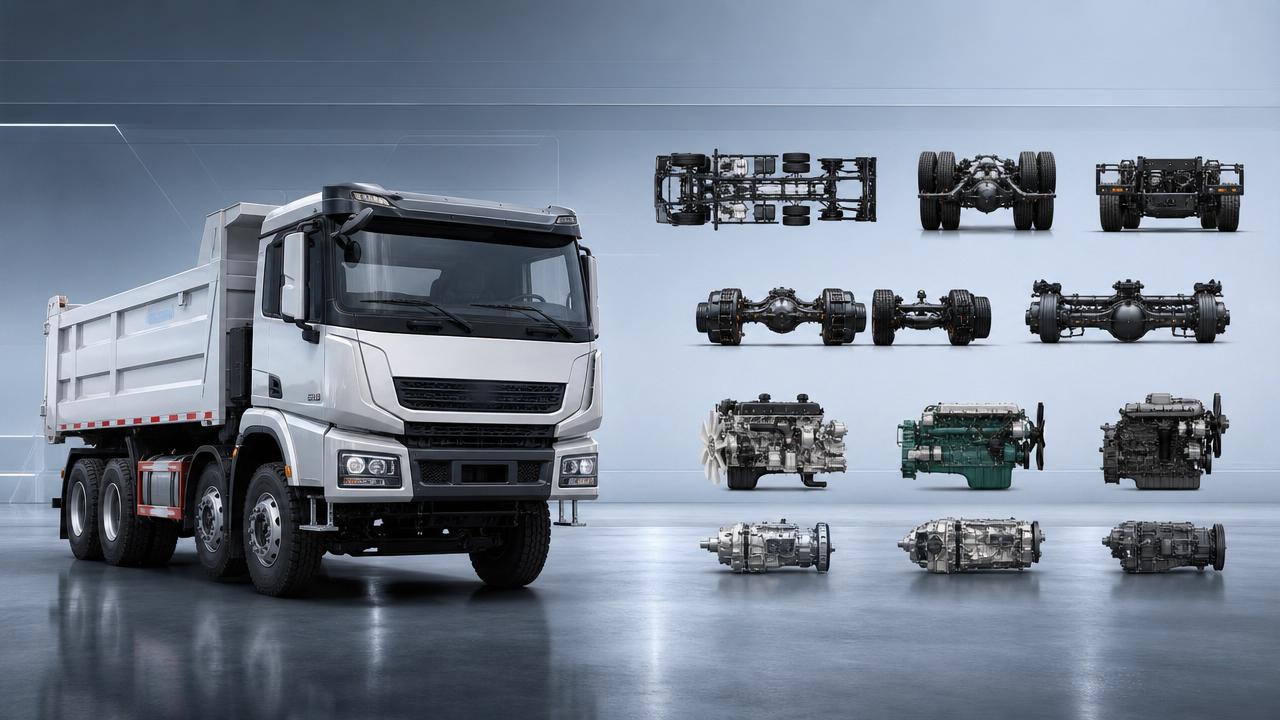
If you're comparing commercial vehicle models, understanding the Cangshan Vehicle Configuration List is the first step to making a smarter decision. This guide helps information-focused buyers quickly identify key differences in specifications, features, and practical performance, so you can evaluate options with more confidence and efficiency before moving on to deeper model analysis.
What Is the Real Search Intent Behind the Cangshan Vehicle Configuration List?
Most readers searching for the Cangshan Vehicle Configuration List are not looking for a simple definition. They want a practical way to compare vehicle models accurately and avoid costly misunderstandings.
For information-focused buyers, the list is valuable because it condenses key model data into one structured reference. The real goal is to translate technical configuration terms into useful purchasing judgment.
In other words, the reader usually wants to know which model fits a transport task, whether two similar versions differ in meaningful ways, and which specification gaps may affect cost or usability.
Why This List Matters More Than a Basic Brochure
A brochure often highlights selling points, but a configuration list reveals the details that shape real-world performance. That includes chassis structure, engine output, transmission type, axle ratio, dimensions, and load-related figures.
When comparing commercial vehicles, small specification differences can lead to major operational impacts. A slightly different wheelbase, rear axle ratio, or suspension setup may change payload behavior, fuel efficiency, and road suitability.
This is why reading the Cangshan Vehicle Configuration List carefully is essential before drawing conclusions from price alone. A lower quoted price may reflect a simpler or less suitable configuration, not a better deal.
What Information-Focused Buyers Usually Care About Most
Readers at the research stage usually care less about marketing language and more about clear comparison logic. They want to know which fields matter first and which differences are only secondary.
The biggest concerns typically include engine and transmission matching, payload capacity, cabin type, axle configuration, tire specification, emissions standard, and optional features relevant to actual operating conditions.
They also want to reduce risk. That means checking whether a model number hides multiple trims, whether standard and optional equipment are clearly separated, and whether the listed configuration fits the target market.
How to Read the Cangshan Vehicle Configuration List in the Right Order
The most effective way to read the list is not from top to bottom without context. Start with the application scenario, then map each configuration item back to that scenario.
First, identify the vehicle category and intended use. Is the model designed for urban distribution, regional hauling, construction support, long-distance logistics, or specialized industrial work?
Second, confirm the core structural indicators. These usually include drive type, gross vehicle weight, wheelbase, body dimensions, cargo body compatibility, and axle layout.
Third, move to the powertrain section. Check engine brand, horsepower, torque, displacement, emissions level, transmission model, and any notes on power matching or gear ratios.
Fourth, review practical support items such as fuel tank size, tire size, suspension form, braking system, cab equipment, and safety features. These often influence daily operating comfort and maintenance planning.
Finally, compare optional and standard equipment separately. This is one of the most common sources of confusion when two models appear similar at first glance.
How to Compare Model Codes Without Getting Misled
Many buyers assume that similar model names mean nearly identical vehicles. In reality, one base model can branch into several configuration variants intended for different routes, loads, or compliance requirements.
When reviewing the Cangshan Vehicle Configuration List, pay close attention to suffixes, axle descriptions, engine versions, and cab annotations. These often carry more meaning than the main model family name.
For example, two trucks may share the same cab style and gross appearance, yet differ in rear axle ratio, horsepower, or cargo body compatibility. Those differences may directly affect climbing performance or fuel use.
Instead of comparing names only, build a side-by-side table using application-critical items. This method quickly shows whether you are choosing between real alternatives or between vehicles designed for different jobs.
The Most Important Fields to Check First
If time is limited, focus on the specification fields most likely to influence use value. These should always be reviewed before comfort features or cosmetic details.
Start with engine output and torque because they affect acceleration, gradeability, and working efficiency. Horsepower alone is not enough; torque and matching transmission ratios matter just as much.
Next, check wheelbase and overall dimensions. These determine maneuverability, cargo body options, turning radius, and route suitability, especially for urban or site-based operations.
Then review axle configuration and load ratings. These help confirm whether the vehicle is structurally aligned with your intended payload and road conditions.
After that, examine tire specification, suspension, and braking system. These influence durability, handling stability, and service life under different terrain or duty cycles.
Finally, verify cabin features and electrical configuration if driver comfort, climate needs, or long working hours are part of the use scenario.
How to Tell Which Differences Actually Matter in Real Use
Not every specification difference is equally important. The key is to separate decision-grade differences from minor variations that have limited impact on your specific operation.
A meaningful difference is one that changes efficiency, legal compliance, maintenance cost, route access, payload capability, or driver usability. Those are the fields that deserve the closest attention.
For example, a change in emission standard matters greatly if the destination market has strict registration rules. A change in seat fabric usually does not affect the purchase decision at the research stage.
Likewise, a different axle ratio can be critical for heavy-duty climbing or fuel economy. But a small dashboard feature difference may matter only after the technical fit has already been confirmed.
Common Misunderstandings When Reading a Configuration List
One common mistake is treating all listed items as standard equipment. In many cases, some features are optional, market-dependent, or only available on certain trims.
Another mistake is comparing engine horsepower without checking total drivetrain matching. A stronger engine paired with an unsuitable transmission or ratio may not deliver better overall operating value.
Buyers also sometimes focus too much on maximum payload figures without checking chassis suitability, legal operating limits, or route conditions. Paper capacity and sustainable working performance are not always the same.
Another risk is ignoring localization factors. A configuration suitable for one country may require changes in tires, emissions setup, warning devices, or cooling systems for another destination.
A Practical Method for Side-by-Side Model Comparison
If you are reviewing multiple models, create a structured comparison sheet with only the fields that influence selection. This is more effective than reading several lists separately.
Recommended comparison columns include model code, drive type, wheelbase, engine, horsepower, torque, transmission, axle ratio, gross weight, payload range, tire size, fuel tank, and cab features.
Add another column for route or use-case fit. Mark whether each model is suitable for city delivery, mixed regional transport, construction usage, or long-haul work.
This extra use-case column is important because the best vehicle on paper is not always the best vehicle for a specific operating environment. Relevance matters more than isolated specification strength.
How This Helps Before Contacting a Supplier
Understanding the Cangshan Vehicle Configuration List before reaching out to an exporter or dealer makes communication faster and more accurate. It allows you to ask better questions from the start.
Instead of saying you need a truck with a certain appearance or price range, you can specify your preferred wheelbase, engine power band, axle setup, or compliance requirement.
This saves time for both sides and reduces the risk of receiving unsuitable quotations. It also makes customization discussions easier when you already understand which items are negotiable and which are core structural features.
For a company involved in commercial vehicle export, this kind of informed dialogue is especially valuable because cross-border transactions often involve documentation, technical adaptation, and logistics planning.
Why Trusted Export Support Still Matters After You Understand the List
Even if you read the configuration list well, final selection still benefits from experienced supplier support. Some details require confirmation beyond the document itself, especially for export-oriented purchases.
Authorized dealers and professional exporters can help clarify trim differences, current stock status, lead time, compliance options, and customization feasibility based on the destination market.
For buyers evaluating Chinese commercial vehicle brands such as FOTON, SHACMAN, and SINOTRUK, strong supplier support also matters for documentation accuracy, after-sales coordination, and shipment execution.
That is where an experienced exporter with inventory strength, authorization, and full-process service can improve purchasing efficiency. The configuration list supports the decision, but execution quality supports the result.
Final Thoughts: Use the List as a Decision Tool, Not Just a Data Sheet
The Cangshan Vehicle Configuration List is most useful when treated as a comparison tool tied to real operating needs. It helps buyers move from surface-level model browsing to structured technical evaluation.
If you focus first on application, then on drivetrain, structure, load-related figures, and market-specific requirements, the list becomes much easier to interpret. You can quickly identify which differences matter and which do not.
For information researchers comparing commercial vehicle models, this approach reduces confusion, improves shortlist quality, and prepares you for more productive discussions with suppliers or export partners.
In short, the smartest way to read the Cangshan Vehicle Configuration List is to connect every specification back to use value. That is how model comparison becomes clear, practical, and genuinely decision-ready.
Search Starts Here