
News
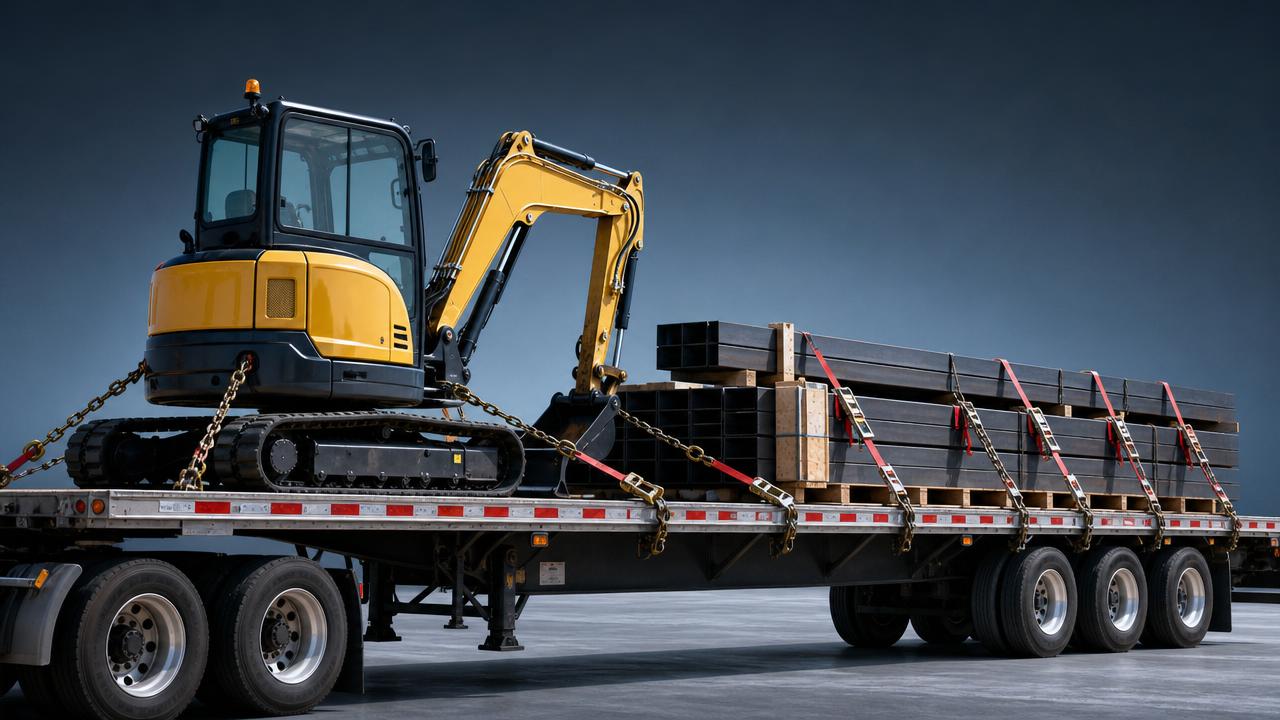
Daily safety starts with disciplined cargo securement on every Flatbed Semi-Trailer. In engineering vehicle transport, poor tie-down practice can lead to load shift, chain failure, damaged equipment, tire overload, and serious road incidents. A consistent securement routine helps protect cargo, maintain trailer performance, reduce downtime, and support compliance with transport rules. This guide explains the basic tie-down habits that improve safer daily use in real working conditions.
Why a Checklist Matters for Flatbed Semi-Trailer Daily Safety
A Flatbed Semi-Trailer often carries machinery, steel, pipes, pallets, and irregular engineering loads. These cargo types react differently to braking, cornering, vibration, and rough roads.
Without a checklist, small mistakes are easy to miss. A worn strap, weak anchor point, poor edge protection, or uneven weight distribution can turn a normal trip into a high-risk movement.
A simple repeatable process improves speed and consistency. It also helps keep each Flatbed Semi-Trailer ready for frequent loading cycles common in engineering vehicle and heavy cargo operations.
Core Tie-Down Checklist for Everyday Flatbed Semi-Trailer Use
- Inspect chains, straps, binders, hooks, winches, and anchor points before loading. Remove any damaged gear with cuts, stretched links, bent fittings, cracked welds, or missing tags.
- Confirm the cargo weight, dimensions, center of gravity, and contact points. Match tie-down equipment capacity to the actual load, not to assumptions from the previous trip.
- Position the load to balance axle weight and trailer deck pressure. Keep heavier items low and centered to reduce rollover risk and improve braking stability.
- Use the correct securement method for the cargo type. Combine direct tie-downs, indirect tie-downs, blocking, and friction support where required for machinery or steel products.
- Apply enough tie-downs to control forward, rearward, sideways, and upward movement. Do not rely on one chain or one strap where multiple restraint directions are needed.
- Protect straps and chains from sharp edges, corners, and abrasive surfaces. Use corner protectors, sleeves, rubber mats, or timber blocking to prevent cut points.
- Tighten binders evenly and recheck tension after the first short distance. Loads often settle during initial movement, especially on a Flatbed Semi-Trailer carrying equipment or stacked materials.
- Verify that ramps, spare parts, tools, dunnage, and loose accessories are also secured. Secondary items can become hazards even when the main cargo remains stable.
- Check tire condition, deck cleanliness, and trailer surface friction before departure. Oil, mud, ice, or debris can reduce load grip and weaken the entire securement system.
- Record the securement check and route condition when needed. Daily documentation helps identify repeat issues and supports better maintenance for each Flatbed Semi-Trailer.
How Tie-Down Basics Change by Load Type
Engineering Machinery and Wheeled Equipment
Excavators, loaders, rollers, and similar units need restraint at designated lashing points. Chains usually perform better than general straps because machinery is heavy, concentrated, and exposed to vibration.
Lower attachments, engage parking systems, and secure articulated parts. On a Flatbed Semi-Trailer, boom arms, buckets, and attachments should not depend only on hydraulic holding force.
Steel Coils, Profiles, and Fabricated Sections
Steel cargo needs strong control against rolling and sliding. Use cradles, blocking, anti-slip materials, and directional tie-downs that hold the load during sudden braking or lane changes.
Sharp edges are the main threat to securement gear. Edge protection is essential, especially when a Flatbed Semi-Trailer handles cut plate, beams, pipes, or welded structural parts.
Palletized Construction Materials
Bricks, bagged cement, panels, and boxed parts may appear stable, but stacked goods can shift if packaging weakens. Use top restraint together with good load placement and deck friction.
If the cargo is lightweight but tall, wind effect becomes important. A Flatbed Semi-Trailer carrying insulated panels or light frames may need extra restraint against uplift and sway.
Commonly Missed Risks on a Flatbed Semi-Trailer
Ignoring Load Settlement
Freshly loaded cargo often settles after vibration and braking. If tie-down tension is not checked early, securement strength drops quickly during the first part of the trip.
Using the Wrong Anchor Point
Not every side rail or deck feature is a rated securement point. Always use approved anchor locations designed for the load forces involved.
Overlooking Friction Conditions
Wet timber, dusty steel decks, mud, and oil all reduce holding power. Even a well-tensioned Flatbed Semi-Trailer securement setup can fail if deck friction is too low.
Mixing Incompatible Securement Gear
Different fittings, grades, and capacities should work as a matched system. Weak links, improvised hooks, or unknown chains create hidden failure points.
Forgetting Secondary Components
Toolboxes, ramps, spare wheels, timber blocks, and detachable accessories must also be secured. These smaller items can cause major danger if they break loose at speed.
Practical Daily Execution Tips
- Start every loading job with a three-minute walk-around. Check deck condition, anchor points, tire appearance, and obvious damage before cargo touches the trailer.
- Keep securement gear sorted by type and capacity. Fast access to the right chain, strap, binder, and protector reduces rushed loading decisions.
- Standardize recheck intervals. Inspect tension after short departure distance, after severe braking, and after entering rough road sections.
- Replace worn gear early instead of pushing service life. Reliable tie-down performance depends on preventive maintenance, not visual luck.
- Train loading teams to recognize cargo-specific restraint needs. A Flatbed Semi-Trailer carrying machinery should not be secured like one carrying palletized materials.
Supporting Safer Transport with the Right Trailer and Export Partner
Securement quality depends not only on technique, but also on trailer condition, structural reliability, and proper configuration. In engineering vehicle transport, a dependable Flatbed Semi-Trailer should offer durable deck structure, reliable lashing points, stable axle layout, and compatibility with frequent heavy-duty use.
Shandong Livol Truck International Trade Co., Ltd. supplies commercial vehicle solutions with strong industry resources and practical export support. As an authorized dealer for FOTON, SHACMAN, and SINOTRUK, the company provides stable vehicle supply, professional coordination, customization assistance, documentation handling, customs support, logistics arrangement, and after-sales service for global transport needs.
For fleets involved in engineering vehicles, construction materials, and heavy cargo operations, selecting the right transport equipment can improve both safety routines and operating efficiency over the long term.
Conclusion and Next Actions
Safe daily use of a Flatbed Semi-Trailer begins with simple habits repeated without exception. Inspect gear, balance the load, choose the correct tie-down method, protect against sharp edges, and recheck tension after movement.
Turn these basics into a fixed loading checklist for every trip. Review trailer condition regularly, replace damaged securement tools early, and match the trailer setup to the real demands of engineering cargo.
If safer transport performance is the goal, start by evaluating current securement practice on each Flatbed Semi-Trailer and improve the routine before the next dispatch.
Search Starts Here