
News
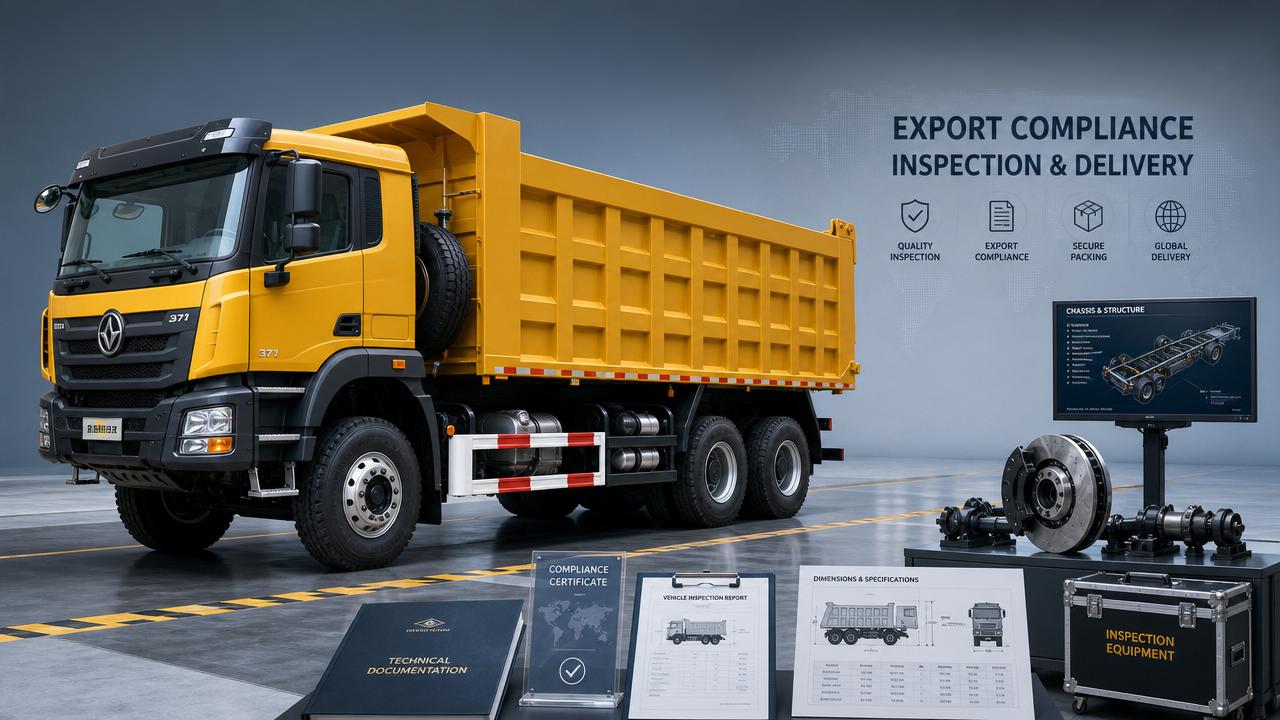
Cangshan Vehicle Configuration List: Key Specs That Affect Compliance and Delivery
For quality control and safety management teams, the Cangshan Vehicle Configuration List is more than a technical checklist—it directly influences regulatory compliance, delivery timelines, and operational reliability.
A small mismatch in axle rating, braking setup, or body dimensions can trigger approval issues, port holds, or costly rework after arrival.
That is why a practical review matters.
This guide explains how to read a Cangshan Vehicle Configuration List, which specifications affect compliance most, and how those choices shape delivery performance.
In real export work, the right configuration review often saves more time than any logistics shortcut.
Why the Cangshan Vehicle Configuration List Matters Early
The Cangshan Vehicle Configuration List is the reference point for production, inspection, customs documents, and destination registration.
If the list is incomplete or inconsistent, every downstream step becomes slower.
From recent market changes, one clearer signal stands out.
Importing countries are paying closer attention to technical detail, not just brand, model, or invoice value.
This means the Cangshan Vehicle Configuration List should be reviewed before purchase confirmation, not after factory release.
When reviewed early, it supports three goals at once: compliance, shipment readiness, and predictable field use.
Core Specifications That Affect Compliance
Not every line in a Cangshan Vehicle Configuration List carries the same compliance weight.
Some specifications directly affect legal entry, inspection approval, and on-road permission.
1. Vehicle dimensions and weight ratings
Overall length, width, height, wheelbase, curb weight, payload, and GVW are basic but critical.
Many destination markets apply strict limits to body overhang, axle load distribution, and total operating mass.
If the Cangshan Vehicle Configuration List shows values outside local thresholds, approval can stop immediately.
2. Axle configuration and suspension
Axle brand, axle capacity, drive form, and suspension type strongly influence safety acceptance.
Leaf spring and air suspension may lead to different regulatory treatment in different applications.
The Cangshan Vehicle Configuration List should match both intended load profile and local road rules.
3. Brake system and safety devices
Brake chamber type, ABS, ESC, retarder options, and parking brake design are frequent inspection points.
Some markets require ABS as standard.
Others require specific warning devices, side guards, reflective markings, or underrun protection.
If these items are missing on the Cangshan Vehicle Configuration List, the truck may need modification before release.
Engine, Emissions, and Powertrain Checks
Powertrain details often look straightforward, but they create some of the biggest export risks.
On a Cangshan Vehicle Configuration List, engine and transmission data must be checked against actual market rules.
Engine model and rated output
Rated horsepower should fit operating conditions, but also match any licensing category used by the destination market.
Overpowered or underpowered units can both create issues.
In practice, the wrong engine choice may not fail customs, but it can fail the project.
Emission standard alignment
This is one of the first items to verify on a Cangshan Vehicle Configuration List.
Euro II, Euro III, Euro V, or higher standards may be accepted differently depending on local policy and fuel quality.
A compliant engine on paper is not enough.
The aftertreatment system, fuel sulfur tolerance, and available maintenance support must also fit the destination environment.
Transmission and PTO compatibility
Manual or automated transmission selection affects driver acceptance, maintenance, and delivery planning.
For engineering vehicles, PTO configuration is equally important.
If the Cangshan Vehicle Configuration List does not confirm PTO speed, interface, and output direction, body integration delays are common.
Body, Chassis, and Application Matching
Engineering vehicles do not pass review based on chassis data alone.
The body structure and working application must also align with the Cangshan Vehicle Configuration List.
Body dimensions and material
For dump trucks, mixers, or special-purpose units, body volume, steel grade, floor thickness, and side plate thickness matter.
These values affect payload logic, durability, and legal use classification.
A mismatch between body size and declared payload often raises inspection questions.
Chassis reinforcement and ground clearance
Projects in mining, rough-road, or remote construction areas need stronger frame reinforcement and practical clearance.
The Cangshan Vehicle Configuration List should show whether the chassis matches real terrain, not just catalog conditions.
Tire and rim specification
Tire size, ply rating, load index, and rim compatibility affect both compliance and site readiness.
In some regions, tire brand origin or certification also influences acceptance, so this part of the Cangshan Vehicle Configuration List deserves close checking.
Documentation Points That Delay Delivery
Delivery problems are often caused by document gaps, not factory production speed.
This is where the Cangshan Vehicle Configuration List becomes a control document for cross-checking.
- Confirm the configuration list matches the proforma invoice and final contract.
- Check that VIN, engine model, axle data, and body description remain consistent across export files.
- Verify certificates for emissions, conformity, inspection, and any market-specific safety requirements.
- Review whether optional parts change customs coding or approval classification.
- Make sure translated technical descriptions keep the same meaning as the original configuration sheet.
Even one inconsistent item can stop release at customs or delay registration after arrival.
That is why experienced exporters treat the Cangshan Vehicle Configuration List as a delivery control tool, not only a sales document.
A Practical Review Method Before Order Confirmation
A useful review process should be simple enough to repeat and strict enough to catch risk early.
- Start with destination rules for dimensions, emissions, safety devices, and road access.
- Match those rules line by line against the Cangshan Vehicle Configuration List.
- Separate mandatory compliance items from project preference items.
- Check whether each option affects lead time, stock availability, or factory modification.
- Confirm all technical changes are updated in documents before production lock.
- Schedule final inspection based on the approved Cangshan Vehicle Configuration List, not verbal confirmation.
This approach reduces last-minute surprises.
It also helps purchasing, technical, and logistics teams work from the same baseline.
How Reliable Export Support Improves Configuration Accuracy
A strong supplier does more than provide a vehicle quote.
The supplier should help interpret the Cangshan Vehicle Configuration List in the context of compliance and delivery risk.
Shandong Livol Truck International Trade Co., Ltd. supports this process through authorized access to FOTON, SHACMAN, and SINOTRUK resources.
With authorized 4S networks, available inventory, and export experience, the team can help verify configurations before vehicles move into shipment planning.
That matters because the best delivery result usually starts with the right technical sheet.
When vehicle selection, customization, documentation, customs clearance, and logistics are managed together, configuration errors are easier to prevent.
Final Takeaway
The Cangshan Vehicle Configuration List should never be treated as a routine attachment.
It is a working checklist that connects legal compliance, technical fit, delivery speed, and lifecycle reliability.
The most important specifications usually involve dimensions, weight, axles, brakes, emissions, body structure, and document consistency.
Review those items early, and many downstream risks become easier to control.
If a project depends on fast approval and stable delivery, start with a full technical check of the Cangshan Vehicle Configuration List before confirming the order.
That single step often makes the difference between a smooth export and a preventable delay.
Search Starts Here