
News
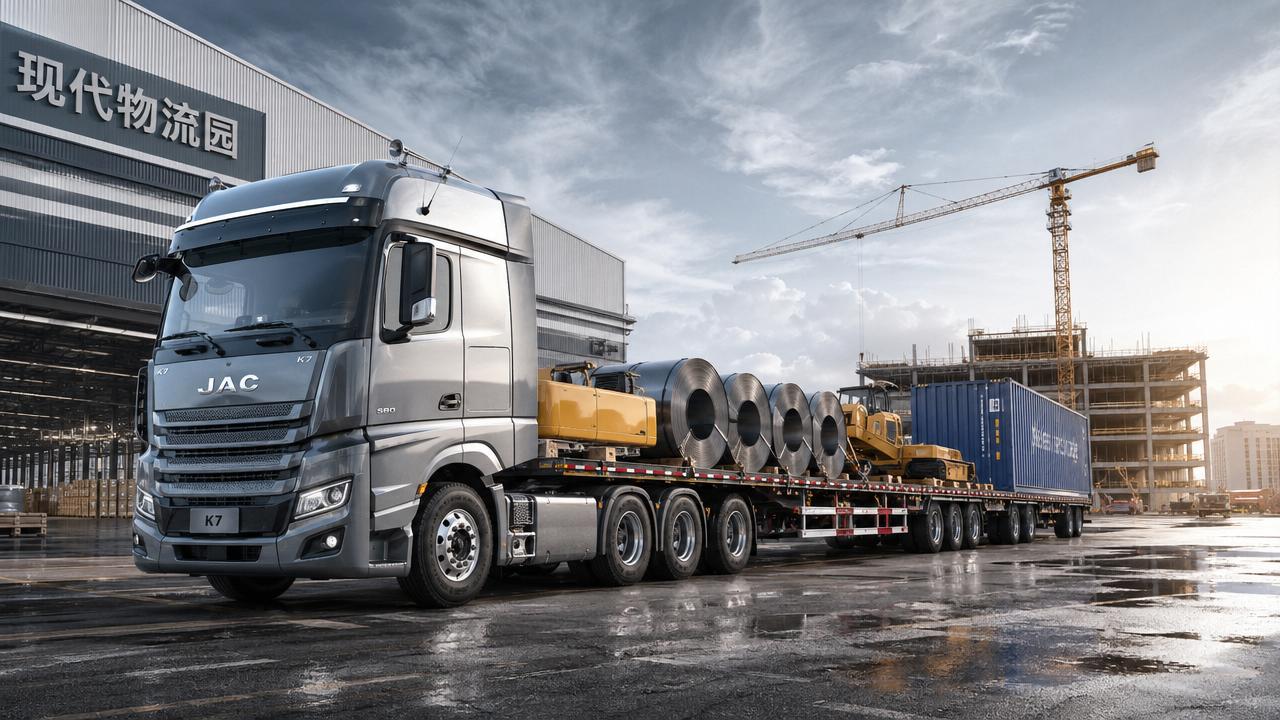
In 2026, more dealers are expanding their Flatbed Semi-Trailer line to meet rising demand from construction, logistics and heavy equipment transport markets. For distributors and agents, this shift is not only about broader product coverage, but also about securing faster delivery, reliable supply and stronger brand competitiveness. With proven export capability and access to leading Chinese commercial vehicle resources, choosing the right partner can turn this growing category into a long-term profit driver.
Understanding the role of the Flatbed Semi-Trailer in commercial transport
A Flatbed Semi-Trailer is one of the most practical transport solutions in the engineering vehicle and heavy-duty logistics sector. Its open platform structure allows efficient loading and unloading of construction materials, steel products, machinery, containers, timber and oversized industrial cargo. Unlike enclosed trailers, a flatbed design offers greater flexibility for irregular or heavy loads that require crane loading, side access or top lifting.
For dealers, this product category is no longer a simple add-on to a truck portfolio. It has become a strategic line that connects road transport demand with real activity in infrastructure development, mining support, regional distribution and cross-border logistics. As road freight networks expand and project cargo becomes more diverse, the Flatbed Semi-Trailer is increasingly viewed as a core asset rather than a niche option.
This explains why many distributors and agents are paying closer attention to trailer configuration, axle options, payload design, structural durability and after-sales service capacity. In 2026, the market is rewarding suppliers that can combine reliable products with stable inventory and export-ready support.
Why the market is paying more attention in 2026
Several industry factors are driving stronger interest in the Flatbed Semi-Trailer segment. First, construction and infrastructure investment remains active in many developing and emerging markets. Roads, bridges, industrial parks, mining projects and energy installations all require frequent movement of bulky materials and equipment. That creates steady demand for trailer solutions that are versatile and easy to deploy.
Second, logistics operators are under pressure to improve utilization rates. A flatbed trailer can support multiple cargo types across different routes, helping fleet owners reduce idle time. This versatility is highly attractive in markets where transport companies need one platform to handle steel coils one week, machinery the next and palletized project cargo after that.
Third, more buyers are looking for dependable Chinese supply channels. Dealers want product lines that can be replenished quickly, customized for local regulations and backed by documentation, spare parts coordination and professional export handling. This is where experienced commercial vehicle exporters stand out. A company with authorized resources, strong inventory and multi-brand access can help dealers respond faster to actual market demand instead of losing opportunities due to long lead times.
Key business value for dealers, distributors and agents
Expanding a Flatbed Semi-Trailer line is not only about adding another SKU. It directly affects a dealer’s ability to serve broader customer segments and improve deal conversion. In engineering transport, customers often prefer suppliers that can offer both tractor heads and trailer solutions. When a dealer can provide a complete transport package, the sales conversation becomes more efficient and the relationship becomes stickier.
There is also a clear margin opportunity. Flatbed trailers can be positioned across entry-level, standard-duty and heavy-duty specifications. This allows agents to address price-sensitive buyers while still offering premium configurations for fleet operators that prioritize durability, safety and long service life. The category supports upselling through axle brands, suspension systems, deck materials, tire choices, braking systems and load securing accessories.
Another advantage is repeat business. Unlike one-time sales in some equipment categories, trailer demand often grows with fleet expansion, replacement cycles and project-based purchasing. Dealers who establish trust early can benefit from future orders, fleet standardization agreements and referrals within logistics and construction networks.
Industry overview: where demand is coming from
The current demand for Flatbed Semi-Trailer products is spread across several commercial sectors. For dealers planning inventory or market expansion, understanding these demand drivers helps prioritize the right specifications and sales strategy.
Common application categories dealers should understand
Not all flatbed trailers serve the same customer profile. A strong product line should reflect the main operating scenarios in the target market. This helps dealers avoid overstocking unsuitable specifications and improves recommendation accuracy during customer consultations.
What makes a dealer’s Flatbed Semi-Trailer line more competitive
A competitive trailer line depends on more than price. Buyers increasingly compare service life, structural quality, adaptability and supplier reliability. For dealers, the first differentiator is specification clarity. Customers want to know axle load, frame thickness, deck height, braking configuration, tire options and compatibility with local road conditions. A seller that can explain these details clearly earns trust faster.
The second differentiator is supply assurance. In many regions, demand spikes are linked to project launches or seasonal transport cycles. Delays can mean missed contracts for end users. Dealers therefore prefer partners that maintain sufficient stock, coordinate production efficiently and manage export documentation without friction. A stable source is especially important when trailer sales are bundled with tractor units from brands such as FOTON, SHACMAN and SINOTRUK.
The third differentiator is customization. Local markets may require different deck lengths, suspension types, lamp standards, kingpin settings or reflective markings. The ability to tailor a Flatbed Semi-Trailer to customer use conditions makes the product line more relevant and reduces post-delivery issues.
Why exporter capability matters as much as product quality
For overseas distributors and agents, the best product is only valuable when it can be delivered smoothly and supported professionally. This is why exporter capability has become a central part of trailer selection in 2026. Shandong Livol Truck International Trade Co., Ltd., based in Shandong, China, brings an advantage here through its role as an official authorized domestic and overseas dealer for FOTON, SHACMAN and SINOTRUK, along with a network of authorized 4S stores and sufficient vehicle inventory.
That background matters because the Flatbed Semi-Trailer business often intersects with complete vehicle solutions. Dealers may need matching tractor units, coordinated shipping, technical documents, customs clearance support and fast communication across the export process. A professional export team with years of overseas trade experience can reduce operational risk and help local partners move faster from inquiry to delivery.
Equally important is after-sales coordination. Commercial vehicle buyers do not only evaluate the product at the time of purchase; they evaluate the supplier during actual operation. Reliable follow-up, parts support and problem-solving responsiveness can influence whether a dealer wins repeat trailer orders or loses customers to another brand channel.
Practical points dealers should assess before expanding the line
When planning a broader Flatbed Semi-Trailer portfolio, dealers should start with local transport patterns rather than generic product assumptions. Payload expectations, road quality, seasonal climate, regulation limits and dominant cargo types should all shape product selection. A trailer that performs well in one region may not be the best fit in another if terrain, maintenance conditions or loading methods differ significantly.
Dealers should also assess how the trailer line fits their current business structure. Questions worth asking include: Can the sales team explain technical options with confidence? Is there enough service knowledge to support operators after delivery? Are spare parts and replacement components aligned with the chosen configurations? Is the supplier responsive enough for urgent project orders?
In addition, product mix matters. It is usually more effective to stock a focused range built around clear customer segments than to offer too many overlapping models. A balanced combination of standard-duty and heavy-duty Flatbed Semi-Trailer options often gives distributors enough flexibility without creating unnecessary inventory pressure.
A measured growth opportunity for 2026 and beyond
The expansion of the Flatbed Semi-Trailer category reflects a broader shift in commercial transport: buyers want flexible, durable and readily available solutions that match real operating demands. For dealers, distributors and agents, this product line offers more than short-term sales volume. It supports deeper customer relationships, stronger cross-selling opportunities and a more complete position in the engineering vehicle market.
The most successful expansion strategies will come from understanding the application logic behind trailer demand, selecting practical specifications and working with export partners that can ensure supply, customization and service continuity. With strong industry resources, authorized brand access and full-process export support, the right supplier can help transform Flatbed Semi-Trailer demand into a stable and scalable business segment.
If your market is seeing growth in construction transport, machinery hauling or project logistics, now is the right time to review whether your current lineup truly reflects customer demand. A carefully expanded Flatbed Semi-Trailer line can strengthen competitiveness in 2026 while creating a foundation for longer-term distribution growth.
Search Starts Here