
News
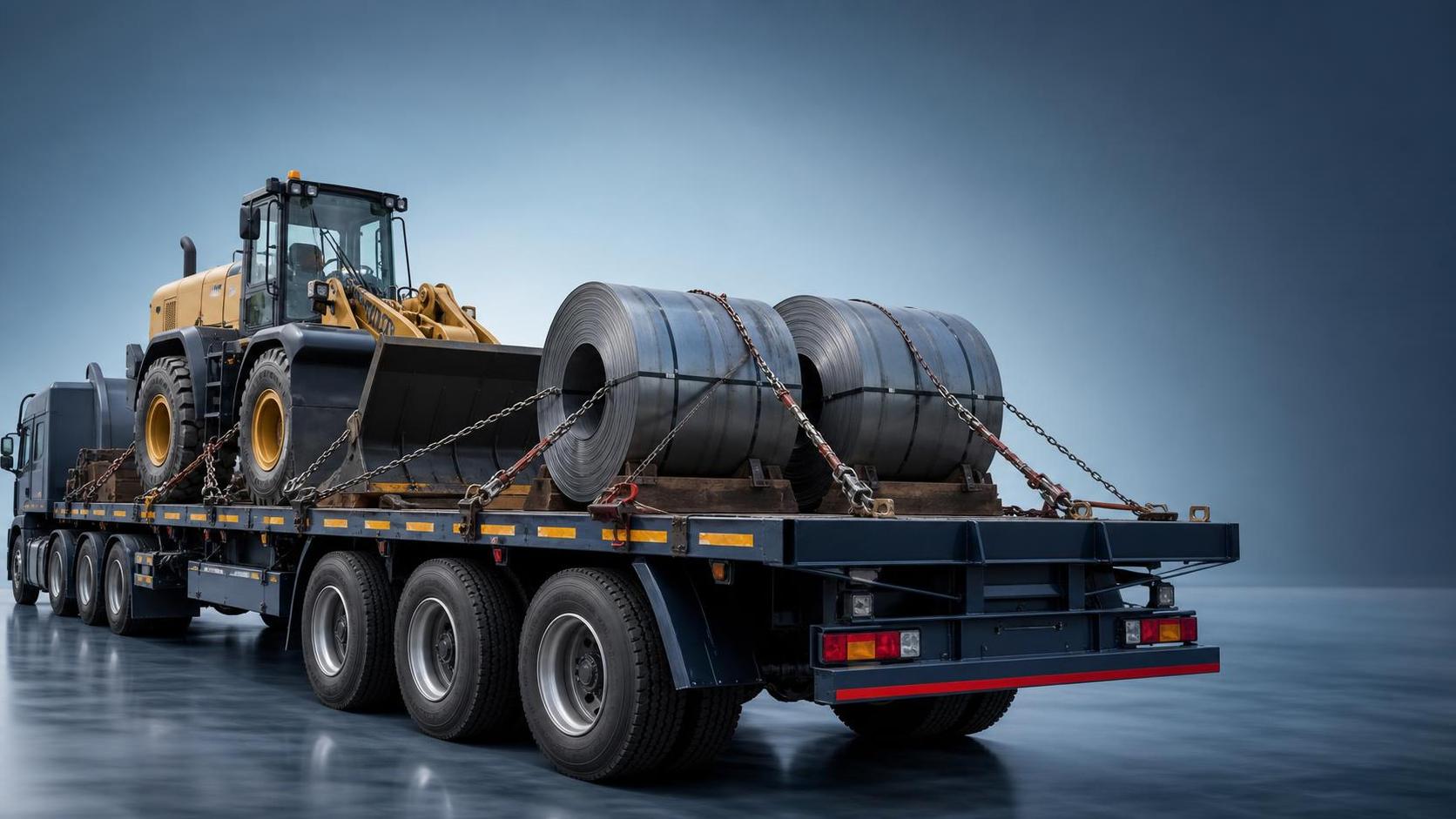
A Flatbed Semi-Trailer is designed for demanding transport work, but its service life depends heavily on how it is loaded in daily operation.
For most operators, the biggest threats are not only extreme overloads, but repeated bad loading habits such as uneven weight distribution, concentrated force, shifting cargo, and frequent impact stress.
These load conditions gradually damage the frame, suspension, axles, tires, deck, and weld points. In many cases, the trailer does not fail suddenly at first.
Instead, it begins with small cracks, abnormal tire wear, bent cross members, loose fasteners, or unstable handling. If ignored, these problems turn into expensive downtime and safety risks.
This article explains what load conditions can shorten the life of a Flatbed Semi-Trailer, how the damage happens, and what drivers and operators should do to prevent premature wear.
Why Load Conditions Matter More Than Many Operators Think
A trailer may appear strong enough to carry almost anything, but every Flatbed Semi-Trailer is engineered around rated capacity, axle load limits, frame strength, and balanced stress distribution.
When the actual cargo condition differs too much from that design assumption, the trailer structure absorbs forces it was never meant to carry repeatedly over time.
That is why some trailers age normally for years, while others develop structural fatigue much earlier even when they are used within a similar transport schedule.
The difference often comes down to load condition management rather than brand alone. Good loading practice directly affects lifespan, repair frequency, and road safety.
Overloading Is the Fastest Way to Reduce Trailer Life
The most obvious harmful condition is overloading. When cargo weight exceeds the rated payload, every major component of the Flatbed Semi-Trailer is pushed beyond its intended working range.
The main beams carry higher bending stress, cross members deform more easily, and the suspension has less travel to absorb vibration from rough roads.
Axles, wheel hubs, bearings, leaf springs, tires, and braking systems also operate under abnormal pressure. Even if no visible failure appears immediately, fatigue damage accumulates much faster.
Operators sometimes focus only on whether the trailer can move, but movement is not proof that the load is safe. A trailer may roll today and still suffer shortened service life.
Repeated overloading often causes permanent frame sagging, cracked welds, loose connections, brake overheating, and severe tire wear. These issues raise both maintenance cost and accident risk.
In practice, occasional small overloads repeated many times can be just as harmful as one extreme overload. Cumulative stress is what quietly destroys equipment durability.
Uneven Weight Distribution Creates Hidden Structural Stress
A Flatbed Semi-Trailer can also wear out early when the total cargo weight is technically acceptable but distributed poorly across the deck.
If too much weight is placed toward the front, rear, or one side, the trailer frame does not share the load evenly. Certain sections then experience much higher stress than others.
Front-heavy loading can overload the kingpin area and tractor connection. Rear-heavy loading can strain rear axles and reduce handling stability, especially during braking or turning.
Side-to-side imbalance is equally dangerous. It causes uneven tire loading, suspension twist, and frame torsion. Over time, this may lead to cracked welds or misalignment.
Operators often miss this issue because the trailer may still look level when parked. However, axle scales, tire wear patterns, and driving feel usually reveal the problem clearly.
If one side’s tires run hotter or wear faster, or if the trailer pulls slightly during travel, uneven weight distribution may already be affecting component life.
Concentrated Point Loads Can Damage the Deck and Frame
Not all cargo applies force in the same way. Some loads are spread over a wide contact area, while others place very high pressure on a small section of the trailer deck.
Machinery with narrow support feet, steel coils, stone blocks, or equipment with hard contact points can create concentrated loads that exceed local structural capacity.
Even when the total cargo weight remains within limits, point loading can bend cross members, dent deck plates, damage timber flooring, or overstress localized frame sections.
This is especially common when operators load heavy equipment without using proper timber mats, steel spreader plates, or support blocks to distribute force.
Repeated concentrated loading shortens trailer life because the same area experiences high stress again and again. Over time, small deformation turns into permanent structural weakness.
For this reason, operators should evaluate not only how heavy the cargo is, but also how the contact pressure is transferred into the trailer structure.
Unstable or Shifting Cargo Increases Dynamic Damage
Static weight is only part of the picture. A Flatbed Semi-Trailer may be loaded within legal limits, yet still suffer severe wear if the cargo shifts during transport.
When cargo moves under braking, cornering, acceleration, or rough road vibration, the trailer experiences changing dynamic forces that are often much harsher than steady load pressure.
These sudden force changes create shock loading in the frame, suspension, tires, and lashing points. They also increase rollover risk and make vehicle control more difficult.
Improperly secured pipes, machinery, containers, timber, or bundled steel can slide or bounce. Every movement transfers impact into the trailer body and fastening system.
Over time, unstable cargo can enlarge tie-down holes, weaken anchor points, loosen fittings, and create stress concentrations around welds and structural joints.
This is why correct cargo securing is not only a compliance issue. It is also a direct factor in preserving the service life of the trailer.
Impact Loading Causes More Damage Than Smooth Transport Loads
Many trailers are not damaged by constant weight alone, but by impact events during loading, unloading, and road travel.
Examples include dropping heavy cargo onto the deck, using forklifts aggressively, driving machinery onto the trailer too fast, or hitting potholes with a heavily loaded platform.
These impacts create short, high-magnitude force spikes. Structural components may survive them once, but repeated impact greatly accelerates fatigue in beams, deck supports, and suspension parts.
Operators often underestimate loading-yard damage because it happens in seconds. However, one careless loading action can do more harm than many kilometers of normal driving.
Watch for dented deck sections, fresh weld cracks, loose U-bolts, or unusual suspension noise after hard impact events. These are common early signs of internal damage.
Smoother handling during both loading and transport is one of the simplest ways to extend Flatbed Semi-Trailer lifespan without major cost.
Off-Center Heavy Loads Increase Torsion and Fatigue
Some cargo cannot be placed exactly in the middle, but large off-center loads should always be treated as a high-risk condition.
When heavy cargo sits too far to one side or is offset diagonally, it twists the trailer frame instead of loading it mainly in vertical compression.
This torsional stress is especially damaging on uneven roads, ramps, and turning maneuvers. The frame, suspension hangers, and weld areas then endure repeated twisting cycles.
Fatigue cracks caused by torsion may begin as small surface lines near joints, beam transitions, or mounting brackets. If missed, they can spread into major structural damage.
Operators should pay close attention when carrying construction equipment, oversized components, or irregular industrial cargo that naturally loads the trailer asymmetrically.
In such cases, careful positioning and weight balancing are far more important than simply fitting the cargo onto the platform.
Repeated Partial Loads Can Also Wear a Trailer Prematurely
Many people assume that only maximum loads are harmful, but repetitive partial loads in the same position can also shorten service life.
If similar cargo is always placed over one axle group or one section of the deck, that area experiences more fatigue cycles than the rest of the trailer.
This uneven long-term usage pattern can produce localized sagging, faster tire wear, and earlier suspension deterioration even though the trailer is not overloaded overall.
For fleets that transport the same type of machinery or material daily, this is a practical maintenance issue rather than a theoretical one.
Changing cargo position when possible, rotating loading patterns, and inspecting high-stress areas regularly can reduce this long-term imbalance effect.
Road Conditions Amplify Bad Loading Practices
Load condition and road condition work together. A load that may seem acceptable on smooth highways can become highly damaging on rough construction roads, gravel routes, or uneven rural surfaces.
When a heavily loaded Flatbed Semi-Trailer travels on poor roads, vertical bounce, frame twist, and axle shock all increase. Bad load placement becomes much more destructive.
That means the same cargo arrangement may have very different effects depending on route quality, travel speed, and driving style.
Operators should reduce speed, recheck tie-down tension, and pay closer attention to load distribution when the route includes broken pavement, sharp ramps, or frequent off-road sections.
In real operations, road shock often turns a manageable load issue into a maintenance problem much faster than expected.
What Parts Usually Wear First Under Harmful Load Conditions
Understanding early failure points helps operators identify trouble before serious damage develops. The first affected parts are often tires, suspension components, deck surfaces, and weld joints.
Uneven or overloaded conditions commonly cause abnormal tire shoulder wear, sidewall heat buildup, broken leaf springs, worn bushings, and loose fasteners.
Frame-related damage may begin as minor deck deformation, cracked paint near welds, local rust around stressed joints, or slight beam misalignment.
Brake wear may also accelerate if axle loading is unbalanced, because some wheels carry more work during stopping than others.
By the time handling becomes obviously poor, damage is usually already progressing. That is why early inspection matters more than waiting for major failure signs.
How Operators Can Reduce Load-Related Trailer Damage
The most effective prevention step is to treat loading as a technical task, not just a routine step before departure.
Always confirm rated payload, axle limits, and cargo dimensions before loading. Do not rely on visual judgment alone for heavy or dense goods.
Distribute cargo weight as evenly as possible across the deck and between axle groups. Keep the center of gravity stable and avoid unnecessary side offset.
Use dunnage, timber mats, or spreader plates when transporting machinery or cargo with small contact areas. This reduces concentrated pressure on deck structures.
Secure cargo correctly with suitable chains, straps, blocking, and anti-slip measures. Recheck tie-down tension after the first stage of travel, especially on rough roads.
Load and unload slowly to prevent impact damage. Operators should also inspect the trailer regularly for cracks, tire wear, bent members, and abnormal suspension behavior.
Where available, axle weighing and standardized loading procedures can reduce guesswork and improve consistency across drivers and shifts.
Why Good Loading Practice Saves More Than Repair Cost
Extending trailer life is only one benefit. Better load management also improves road safety, reduces downtime, lowers tire and suspension replacement frequency, and protects cargo itself.
For operators, this means fewer unexpected stoppages and more predictable vehicle performance. For fleet owners, it means better asset utilization and lower lifetime operating cost.
A well-maintained Flatbed Semi-Trailer does not stay healthy by accident. It stays healthy because load conditions are controlled day after day.
That is the practical difference between a trailer that remains reliable for years and one that becomes a repair burden much earlier than expected.
Conclusion
So, what load conditions can shorten the life of a Flatbed Semi-Trailer? The main causes are overloading, uneven weight distribution, concentrated point pressure, unstable cargo, impact loading, and repeated torsional stress.
For drivers and operators, the key lesson is clear: trailer lifespan depends not only on manufacturing quality, but on how the load is placed, secured, and managed every trip.
When you control load conditions carefully, you protect the frame, axles, suspension, tires, and deck from unnecessary fatigue. That leads to safer transport, lower maintenance cost, and longer service life.
In daily work, small loading decisions have long-term consequences. Paying attention to them is one of the most effective ways to get full value from your trailer.
Search Starts Here