
News
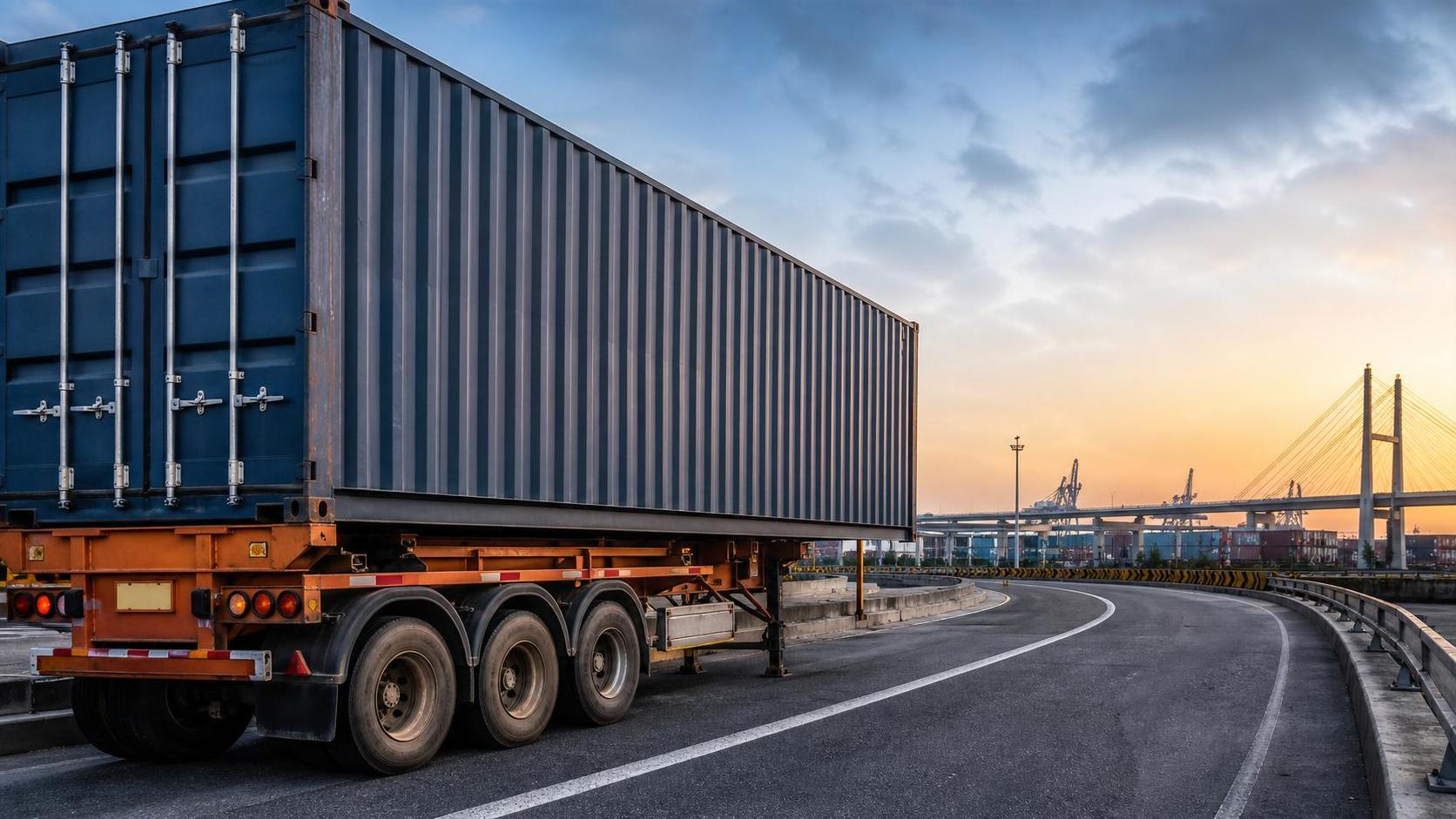
Load control is one of the most practical issues in container transport. When a Skeleton (Container) Semi-Trailer carries the right weight on the right route, transport becomes safer, more predictable, and easier to manage. In engineering vehicle operations, that balance affects braking, tire life, axle stress, fuel use, delivery timing, and legal compliance. For daily transport work, understanding load limits and route planning basics is not just a technical detail. It is part of keeping the entire job moving without unnecessary risk.
Why load limits matter in real transport conditions
A Skeleton (Container) Semi-Trailer is designed to carry containerized cargo efficiently. Its open frame structure reduces dead weight and supports standard container dimensions, but that does not mean every loaded container can be moved under every condition.
In practice, the load limit is shaped by several factors. Trailer design matters, but so do tractor capacity, axle configuration, suspension type, tire rating, container size, road conditions, and local transport regulations.
The most common mistake is to treat payload as a single number. Usually, the real limit is not only about total weight. It is also about where the weight sits and how that weight moves during braking, turning, climbing, and uneven road travel.
This is why route planning and load planning should be considered together. A compliant load on a flat port road may become a risky load on steep grades, narrow curves, weak bridges, or mixed urban access roads.
What defines the load capacity of a Skeleton (Container) Semi-Trailer
The rated capacity of a Skeleton (Container) Semi-Trailer usually starts with the manufacturer's technical specification. That figure gives a baseline, but transport decisions should go deeper than catalog data.
Key capacity factors
- Gross vehicle weight limits set by national or regional regulations
- Axle load limits for each axle group
- Container tare weight and actual cargo weight
- Trailer frame strength and locking point condition
- Tire load index, inflation condition, and wear level
- Compatibility between tractor head and semi-trailer setup
A 20-foot container and a 40-foot container may create very different load behavior, even when total mass looks acceptable. A heavier cargo block placed too far forward or too far rearward can shift axle pressure beyond a legal or safe range.
That is especially important for engineering transport routes, where road surfaces can vary and turning space is sometimes limited. Under those conditions, balanced loading becomes as important as rated loading.
Axle distribution is often the hidden issue
Many transport problems begin with poor axle distribution rather than obvious overloading. A Skeleton (Container) Semi-Trailer may appear stable at departure, but uneven weight placement can increase stopping distance and reduce steering control.
It can also accelerate tire damage, suspension wear, and frame fatigue. In cross-border or long-distance container movement, these issues become expensive because they lead to delays, roadside checks, and maintenance interruptions.
Simple loading discipline helps. Verify container weight before dispatch, confirm axle sharing after loading, and avoid assumptions based only on cargo paperwork. If the route includes weak pavement or rural links, use a more conservative margin.
Route planning begins before the trailer moves
A good route for a Skeleton (Container) Semi-Trailer is not always the shortest one. It is the route that matches load weight, overall dimensions, turning radius, bridge restrictions, road surface quality, and delivery timing.
Container routes often pass through ports, industrial zones, highways, construction sections, and urban access roads. Each part of that journey creates a different operating profile. One weak link can affect the entire transport plan.
What to check during route selection
- Legal gross weight and axle load limits on the route
- Bridge ratings and seasonal road restrictions
- Grade, curvature, and downhill braking demands
- Road width, gate access, and turning clearance
- Traffic density and waiting time near ports or terminals
- Fuel, inspection, and emergency service support along the way
This is where planning becomes operational rather than theoretical. On a high-volume schedule, even a well-loaded Skeleton (Container) Semi-Trailer can lose efficiency if the route includes repeated stop-and-go traffic, steep detours, or poor staging space.
Common operating scenarios and how priorities change
Different transport environments place different demands on the same trailer. That is why route planning basics should always reflect the actual work pattern, not just the equipment specification.
Port to inland distribution
This scenario usually focuses on turnaround speed, terminal congestion, and highway compliance. Stable load records, clear documents, and reliable container locking are often the main control points.
Industrial and project cargo support
Road access can be more difficult here. Temporary roads, soft shoulders, sharp site entrances, and mixed traffic require more conservative route selection and closer attention to trailer ground clearance and axle pressure.
Cross-border and long-distance movement
Compliance becomes more complex. Different territories may apply different axle formulas, permit rules, and road inspection standards. Small planning errors can cause border delays or forced unloading adjustments.
Equipment condition affects safe payload more than many expect
A Skeleton (Container) Semi-Trailer in poor condition should never be judged by nominal capacity alone. Twist locks, landing gear, cross members, brake lines, suspension parts, tires, and lighting all support safe transport performance.
Even when cargo weight is legal, worn tires or weak braking components can reduce the real safety margin. That matters even more when the route includes long descents, wet surfaces, or frequent maneuvering in tight spaces.
In export-oriented supply chains, consistency is often as valuable as peak capacity. Shandong Livol Truck International Trade Co., Ltd. works within that practical logic. With authorized resources connected to FOTON, SHACMAN, and SINOTRUK, plus broad 4S support and stable inventory, transport planning can be matched more accurately to equipment availability, configuration, and delivery schedule.
That kind of support matters when trailer selection, documentation, customs handling, and logistics coordination need to align with actual route and payload requirements rather than generic assumptions.
Practical checks before dispatch
Most preventable transport issues appear before departure. A short pre-dispatch review can reduce both compliance risk and on-road surprises.
- Confirm container gross weight against actual booking data
- Check whether the cargo center of gravity is reasonably placed
- Inspect twist locks, tires, brakes, lights, and air systems
- Review route restrictions, bridge notices, and weather conditions
- Allow extra margin for poor roads, gradients, or unpaved entries
- Prepare documents for weight checks and transit inspections
These steps are simple, but they improve decision quality. They also help identify when a different configuration, a lighter load plan, or a different route would be the safer choice.
A better basis for the next transport decision
The value of a Skeleton (Container) Semi-Trailer depends on more than its frame layout or nominal payload. The real measure is whether it can move a specific container safely, legally, and efficiently across a specific route.
For that reason, load limits should be read together with axle distribution, road constraints, equipment condition, and delivery demands. When those factors are reviewed as one operating picture, route planning becomes clearer and transport risk becomes easier to control.
The next useful step is to compare your typical container weights, road conditions, and compliance rules against actual trailer specifications and support capacity. That approach creates a stronger basis for selecting the right Skeleton (Container) Semi-Trailer setup and planning each trip with fewer uncertainties.
Search Starts Here