
News
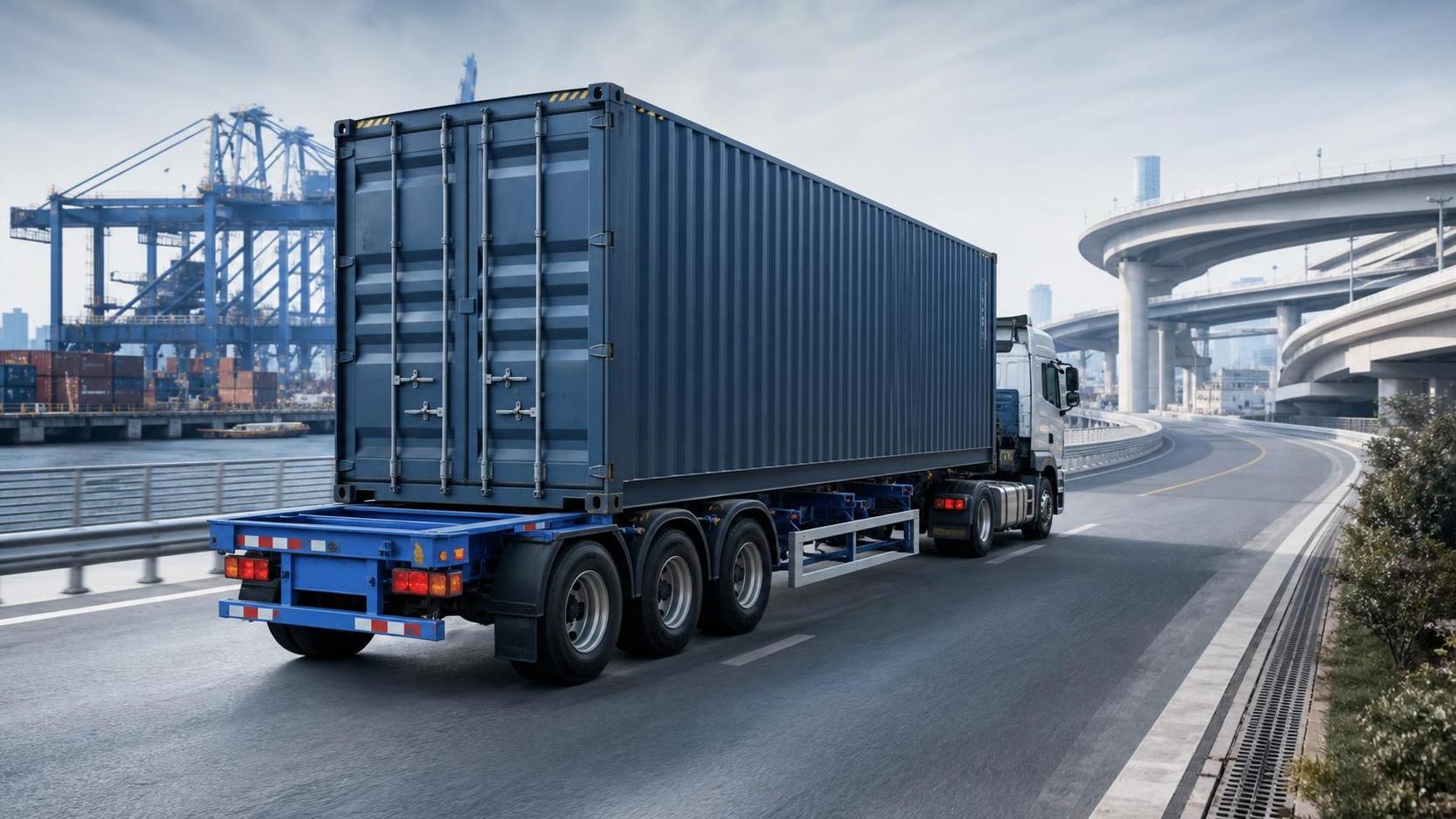
Why route and load checks matter before a Skeleton (Container) Semi-Trailer moves
A Skeleton (Container) Semi-Trailer works well only when the transport task matches its real operating limits.
That sounds obvious, yet many dispatch risks start before the trailer even leaves the yard.
Load rating, axle distribution, container lock position, bridge limits, and local road rules can change the whole transport plan.
In engineering vehicle operations, those details affect safety, permit compliance, tire wear, and delivery reliability.
In actual export and fleet deployment, the same Skeleton (Container) Semi-Trailer may behave very differently on port roads, mining access roads, or inland highways.
That is why pre-dispatch review should not stop at catalog specifications.
It needs a route-based judgment that connects the trailer, the container, the tractor head, and the road environment.
For companies handling international vehicle supply and configuration, this check is also part of reducing downtime after delivery.
Shandong Livol Truck International Trade Co., Ltd. works in that practical space, where vehicle selection, customization, documentation, and logistics must stay aligned.
The same trailer does not face the same limits in every transport setting
A Skeleton (Container) Semi-Trailer is often chosen for flexibility, but flexibility does not mean every route is equal.
The first variable is container type.
A 20-foot loaded container can create a concentrated axle load, while a 40-foot container changes turning behavior and rear overhang exposure.
The second variable is road condition.
Smooth expressways allow predictable load transfer, but uneven industrial roads amplify torsion, suspension stress, and twist lock fatigue.
Then comes regulation.
Gross vehicle weight rules, axle group limits, height caps, and port entry standards vary between countries and even between regions.
This is where many wrong assumptions appear.
A trailer that is legal on one corridor may need a different loading plan on another.
A route that looks short on paper may impose more stress because of bridge joints, tight turns, or steep terminal ramps.
What usually changes the judgment
- Container length, tare weight, and actual cargo distribution
- Trailer axle count, suspension type, and kingpin position
- Road grade, turning radius, and bridge or tunnel restrictions
- Local enforcement focus on axle load or overall combination weight
- Frequency of trips, because repetitive stress matters more than one-time movement
Port drayage and short-haul container transfer need fast but precise checks
Port and terminal work often looks simple because distances are short.
In reality, this is where a Skeleton (Container) Semi-Trailer faces dense traffic, frequent queuing, repeated docking, and constant low-speed maneuvering.
The key concern here is not only maximum rated payload.
It is whether the trailer locks the correct container length securely, holds alignment under repeated coupling, and keeps axle load balanced during stop-start movement.
A common mistake is assuming a short port route reduces risk.
Short routes usually mean more cycles per day, and more cycles expose weak landing gear, worn twist locks, and brake imbalance faster.
For this setting, a practical check should include lock engagement, brake response consistency, and container fit tolerance, not just legal weight.
Highway container transport puts more pressure on axle math and route legality
Long-distance highway work changes the priority.
At higher speeds, the Skeleton (Container) Semi-Trailer must stay stable during lane changes, crosswinds, and braking from full load conditions.
This is where axle capacity and load distribution should be checked together, not separately.
A legal overall gross weight can still fail an axle inspection if the container center of gravity sits too far forward or rearward.
That is especially important with 20-foot heavy containers on multi-axle trailer layouts.
Route review also needs more than map distance.
Bridge postings, seasonal road limits, toll station height controls, and local oversize enforcement can reshape dispatch decisions.
Where cross-border movement is involved, document readiness matters as much as hardware readiness.
That is one reason integrated exporters with stock access, customization support, and logistics coordination can reduce friction during delivery planning.
Industrial yards and rough access roads require a different kind of caution
Not every Skeleton (Container) Semi-Trailer spends most of its time on clean paved corridors.
Construction supply routes, quarry service roads, and temporary logistics yards create a different risk profile.
In these cases, the question is less about top-speed transport efficiency.
The more useful question is whether the trailer can maintain structural integrity under twisting movement and repeated uneven loading.
Ground clearance, suspension travel, tire specification, and frame reinforcement become more relevant.
A route may still be legally open, yet operationally unsuitable for a lightly configured container chassis.
This is where field conditions should guide configuration choices.
If a trailer will regularly cross ramps, potholes, or uneven slabs, checking only static payload figures misses the real issue.
The real issue is dynamic stress over time.
Useful adaptation points for rougher routes
- Confirm whether the frame design suits repeated torsional loading
- Check suspension and tire choices against actual road surface quality
- Review ramp angles and underbody clearance before dispatch
- Inspect twist lock wear more frequently when routes are uneven
Where teams often misread Skeleton (Container) Semi-Trailer suitability
One frequent misjudgment is treating similar container jobs as identical transport tasks.
Two routes may carry the same box size but create different axle behavior, braking demand, and clearance risks.
Another mistake is focusing on purchase specification without checking full combination behavior.
The tractor head, fifth wheel height, kingpin setting, and trailer geometry must work together.
There is also a cost-side blind spot.
A cheaper Skeleton (Container) Semi-Trailer can become more expensive if tire wear, lock replacement, or compliance delays rise.
For export projects, one more issue deserves attention.
Documentation, homologation expectations, and destination road rules should be checked before final configuration, not after arrival.
That is why experienced vehicle exporters often add value through pre-shipment review, stable inventory support, and route-aware customization rather than through simple unit supply.
A practical way to match route, load, and trailer setup
The most reliable approach is to build a dispatch checklist around real operating conditions.
That checklist should stay short enough to use, but detailed enough to catch route conflicts early.
- Confirm container size, loaded weight, and cargo balance before assigning the trailer
- Calculate axle loads across the full tractor and trailer combination
- Review bridge, tunnel, height, and local axle restrictions on the planned route
- Match suspension, tires, and frame configuration to pavement quality and trip frequency
- Verify twist lock condition, brake status, lighting, and landing gear before dispatch
- Check destination compliance documents when the unit is entering another market
In practice, this method helps avoid the false choice between operational speed and safety control.
It also makes trailer selection more defensible when comparing standard and customized configurations.
What to review next before final dispatch decisions
A Skeleton (Container) Semi-Trailer performs best when dispatch decisions reflect the route it will actually run.
Load limits, axle capacity, container fit, and road restrictions are connected, not separate checklist items.
When those factors are checked together, fleets usually see fewer compliance interruptions and more stable operating life.
The next useful step is to sort transport tasks by route type, container profile, and surface condition.
Then compare each task against trailer geometry, axle layout, and maintenance demands.
That kind of scenario-based review leads to better equipment matching and fewer surprises after deployment.
For operations involving export supply, it is also worth confirming whether customization, documentation, and logistics support remain aligned from factory release to final road use.
Search Starts Here