
News
How to Read the Cangshan Vehicle Configuration List Without Missing Key Specs
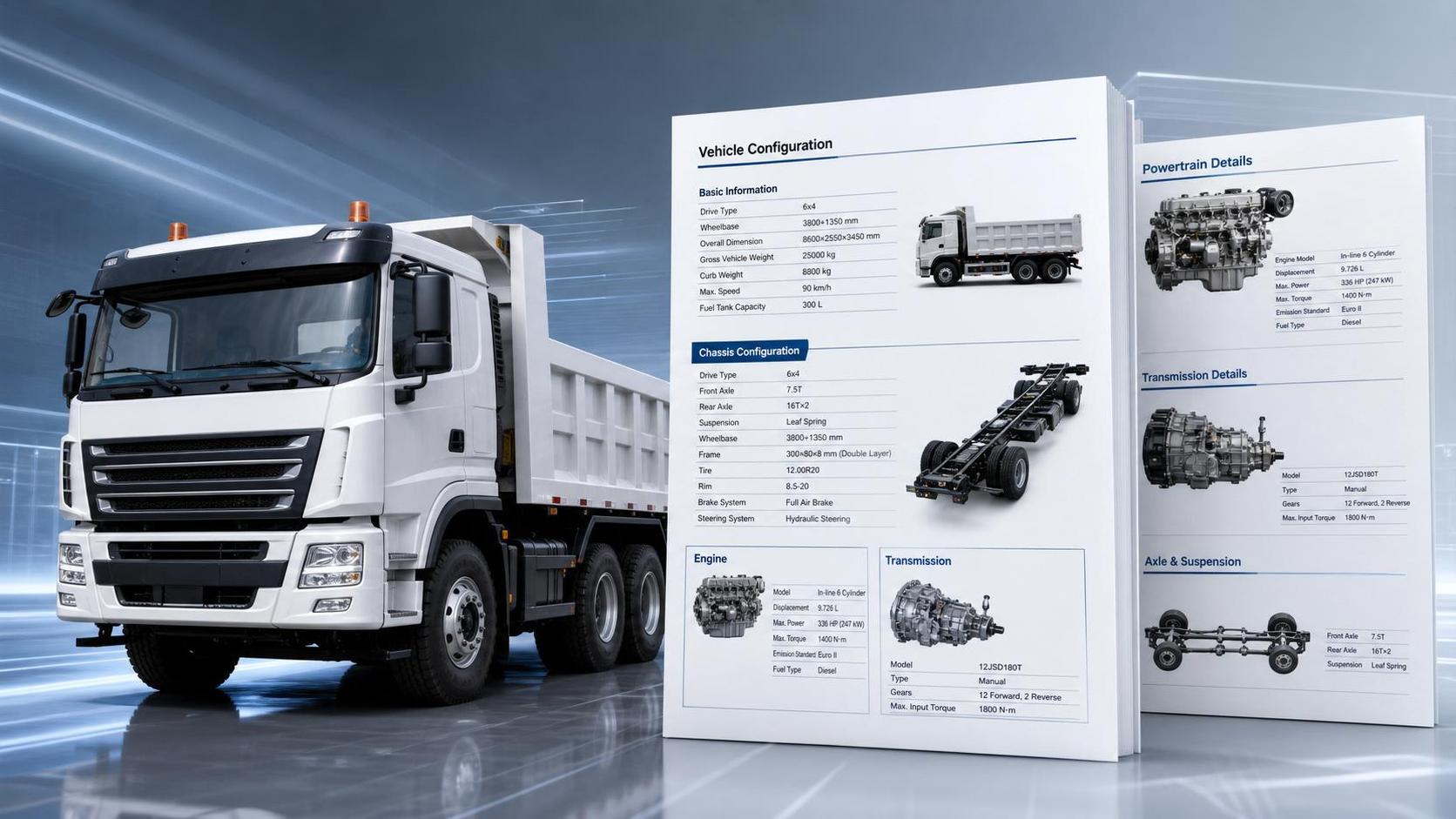
For technical evaluators, learning how to read the Cangshan Vehicle Configuration List correctly is essential to avoid overlooking critical specs that affect performance, compliance, and total operating cost.
This guide explains how to identify key parameters, compare configurations efficiently, and make more accurate vehicle assessments when reviewing commercial vehicle options for export procurement or fleet planning.
Why the Cangshan Vehicle Configuration List Matters
A vehicle configuration list is more than a sales sheet. It is a technical summary that connects specification, usage scenario, and operating risk.
When reading the Cangshan Vehicle Configuration List, small details often drive major cost differences later. A missing axle ratio or tire rating can change performance in real work.
This also means the list should never be reviewed in isolation. It must be checked against route conditions, payload targets, local regulations, and maintenance capability.
In export procurement, this step becomes even more important. Different markets may require different emissions levels, braking systems, lighting rules, or body dimensions.
Start With the Vehicle Identity Section
Begin with the top section of the Cangshan Vehicle Configuration List. Confirm model code, drive type, cab version, and intended application before reading deeper.
Many evaluation errors start here. Two vehicles may look similar, yet one code may indicate a different axle layout or suspension package.
Check these identity items first:
- Model designation and series
- 4x2, 6x4, 8x4, or other drivetrain format
- Cab type, roof height, and seating layout
- Intended use such as dump, cargo, mixer, or tractor
- Gross vehicle weight rating and curb weight
If the identity block is unclear, every later comparison becomes weaker. In practice, this is the foundation for all technical screening.
Read Powertrain Specs in Context
The powertrain section is usually the most discussed part of the Cangshan Vehicle Configuration List. It is also the most misunderstood when read too quickly.
Do not stop at engine horsepower. Horsepower alone cannot predict gradeability, fuel use, or low-speed pulling performance.
Focus on the combined effect of several items:
- Engine displacement and rated power
- Peak torque and torque band
- Emission standard
- Transmission type and gear count
- Rear axle ratio
- PTO availability if auxiliary equipment is used
For example, a truck with moderate horsepower and a suitable axle ratio may outperform a higher-power model in heavy start-stop duty.
A useful habit is to ask one question. Does this powertrain match the actual terrain, payload, and average speed of the target operation?
That question turns the Cangshan Vehicle Configuration List from a data sheet into a decision tool.
Do Not Overlook Chassis and Suspension Data
Another common mistake is treating chassis data as secondary. In reality, this part often determines durability and legal payload performance.
When reviewing the Cangshan Vehicle Configuration List, inspect frame dimensions, axle capacities, suspension design, and wheelbase very carefully.
Pay special attention to these items:
- Frame section size and reinforcement design
- Front and rear axle load ratings
- Leaf spring count or air suspension setup
- Wheelbase and rear overhang
- Tire size, ply rating, and brand option
These details affect body compatibility, turning radius, ride stability, and maintenance intervals. They also influence whether the truck suits rough roads or paved logistics routes.
From recent market changes, one clearer signal stands out. Buyers now compare lifecycle suitability more closely than headline engine figures.
Check Dimensions, Weights, and Body Interface
The Cangshan Vehicle Configuration List should always be matched with operating space and body requirements. A vehicle can be technically strong and still fail site access rules.
Review external dimensions and body interface points line by line. This is especially important for dump trucks, cranes, refrigerated bodies, and municipal applications.
If body builders are involved, verify mounting points early. It saves time and prevents expensive rework after vehicle arrival.
Review Safety, Compliance, and Standard Equipment
A strong Cangshan Vehicle Configuration List review includes safety and compliance, not only mechanical capability. This is where export projects often face avoidable delays.
Check whether the list shows ABS, ESC, brake type, retarder options, lighting specification, and required reflective markings.
Also verify:
- Emission compliance for the destination country
- Fuel tank material and capacity
- Battery voltage and electrical interface
- Seat belts, mirrors, camera systems, or reversing alarms
- Fire extinguisher or emergency kit requirements
In actual business, missing one compliance item can delay customs release or local registration. That risk should be identified during configuration review, not after shipment.
Compare Optional Items With Real Use Cases
The optional equipment section of the Cangshan Vehicle Configuration List deserves careful attention. It often contains the items that shape driver comfort, uptime, and maintenance convenience.
Do not approve options because they sound advanced. Approve them only when they improve the target application in measurable ways.
Useful examples include:
- Air suspension for fragile or high-value cargo
- Heavier cooling package for hot climate operation
- Retarder for mountainous routes
- Dual fuel tanks for long-distance transport
- Cab comfort upgrades for long-haul driver retention
This approach helps separate useful upgrades from cost-heavy additions that bring little operational value.
A Simple Method to Audit the Cangshan Vehicle Configuration List
A practical review method makes the process faster and more consistent. Many teams use a three-step check before final approval.
- Confirm identity and mission fit.
- Validate powertrain, chassis, and legal limits.
- Check optional items against route and maintenance conditions.
Then create a short risk note for each unit. Record unclear values, missing standards, and any assumption that still needs written confirmation.
This method improves communication between procurement, engineering, body builders, and logistics teams. It also reduces reliance on memory or verbal clarification.
Why Supplier Support Still Matters
Even with a detailed Cangshan Vehicle Configuration List, technical review works better when the supplier can explain model logic clearly and provide supporting documents quickly.
Shandong Livol Truck International Trade Co., Ltd. brings this advantage through strong commercial vehicle experience and stable cooperation with FOTON, SHACMAN, and SINOTRUK.
With authorized 4S store resources, sufficient stock, and export service capability, the company supports vehicle selection, customization, documents, customs clearance, logistics, and after-sales coordination.
That support is valuable when a configuration list needs deeper clarification before purchase, especially for multi-unit export or fleet planning projects.
Final Takeaway
Reading the Cangshan Vehicle Configuration List well is not about scanning numbers quickly. It is about linking every spec to work conditions, compliance, and long-term operating cost.
When you review identity data, powertrain matching, chassis strength, legal dimensions, safety items, and options in one sequence, weak points become easier to spot.
That leads to sharper technical judgments and fewer surprises after delivery. If you are comparing export-ready commercial vehicles, use the Cangshan Vehicle Configuration List as a working decision document, not just a product attachment.
A careful review today can prevent specification gaps, compliance issues, and operating losses tomorrow.
Search Starts Here