
News
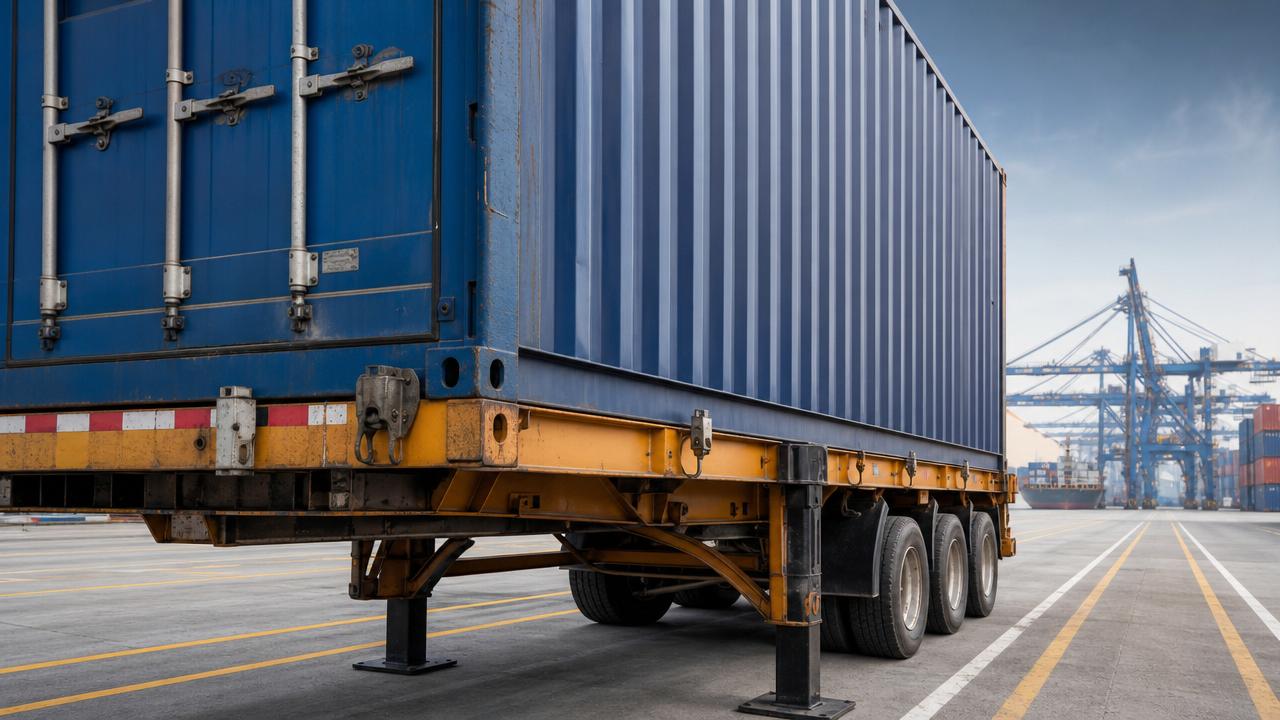
Before a Skeleton (Container) Semi-Trailer enters port haulage service, basic road legality is not enough. Container retention, axle balance, brake response, and structural condition directly influence safety, terminal efficiency, and lifecycle cost. A disciplined inspection routine helps keep a Skeleton (Container) Semi-Trailer reliable under heavy container rotation, rough yard surfaces, and strict port compliance checks.
Why a Checklist Matters Before Port Haulage
Port transport places a Skeleton (Container) Semi-Trailer under different stress than general road freight. Repeated loading, uneven pavement, curb contact, and tight turning angles can expose hidden defects quickly.
A checklist reduces missed items during busy dispatch cycles. It also creates a repeatable standard for container security, legal loading, brake readiness, and trailer uptime.
For export users and fleet operators, clear inspection points also support documentation, maintenance planning, and smoother handover between yard, road, and terminal operations.
Core Inspection Checklist for a Skeleton (Container) Semi-Trailer
- Inspect the main frame for cracks, deformation, corrosion, and poor welds around cross-members, kingpin plate, gooseneck area, rear structure, and high-stress lifting points.
- Check all twist locks for full movement, firm locking, worn heads, spring return, and precise alignment with 20ft or 40ft container corner castings.
- Confirm the container support points are flat and intact. Uneven pads or damaged guides can create container tilt, lock misfit, and unstable axle loading.
- Verify kingpin condition, mounting bolts, and wear limits. Excess play between tractor and trailer can reduce directional stability during yard shunting and road braking.
- Test the air brake system for leakage, hose damage, chamber condition, relay valve response, and balanced braking force across all axles.
- Measure brake lining thickness and inspect drums or discs for overheating marks, cracks, scoring, or contamination from grease and oil.
- Examine axles, suspension hangers, U-bolts, equalizers, and bushings. Any looseness or fatigue can increase tire scrub and reduce stability under container weight shifts.
- Check tires for pressure consistency, sidewall damage, tread separation, irregular wear, and matching load rating suitable for the expected container payload.
- Inspect rims, wheel studs, and hub assemblies for cracks, loose nuts, oil leakage, or overheated bearings after recent operation.
- Confirm landing gear lifts smoothly, locks correctly, and shows no bent legs, gear damage, or footpad distortion from rough ground contact.
- Check electrical lines, lamps, reflectors, and ABS connections. Port and highway movements require visible signaling and dependable fault-free connections.
- Review rated payload, axle distribution, and local compliance limits. An overloaded Skeleton (Container) Semi-Trailer can face detention, fines, tire failure, or frame fatigue.
Key Areas That Deserve Closer Attention
Twist Locks and Container Retention
Twist locks are the first critical checkpoint on any Skeleton (Container) Semi-Trailer. A lock may appear usable yet still fail to rotate fully or seat correctly under a loaded container.
Look for bent lock heads, seized rotation, weak springs, and poor alignment. During port haulage, frequent loading cycles make even small locking defects a serious operational risk.
Frame Strength and Torsional Stress
A Skeleton (Container) Semi-Trailer often carries concentrated loads through specific points rather than a full deck. That makes structural rigidity especially important during turning, reversing, and uneven surface travel.
Pay close attention to weld seams near suspension mounts, kingpin plate connections, and rear end beams. Surface rust may hide fatigue that spreads quickly under port duty cycles.
Brake Stability in Stop-and-Go Operation
Port routes involve repeated low-speed braking, queue stops, ramp approaches, and short shuttle movement. Weak brake balance can overheat one axle and shorten tire and lining life.
A practical test should include air retention, brake application timing, and release consistency. Delayed response may not be obvious in the yard, but becomes dangerous on public roads.
Checks for Different Operating Scenarios
Short-Distance Port Shuttle
Short shuttle work often causes inspection discipline to drop because routes are familiar and speeds are lower. In reality, high trip frequency raises wear on locks, tires, landing gear, and brake chambers.
For this scenario, prioritize fast pre-trip checks after every container cycle. Focus on lock engagement, tire cuts, air leaks, and visible frame contact damage.
Port-to-Inland Highway Movement
When a Skeleton (Container) Semi-Trailer leaves the terminal for inland delivery, highway speed changes the risk profile. Aerodynamic sway, emergency braking, and legal axle weight become more critical.
This scenario requires stricter confirmation of brake balance, kingpin wear, lamp function, and compliance with road regulations for gross combination weight.
Heavy or Off-Center Container Loads
Some containers do not load evenly, even when gross weight stays within limits. Off-center cargo can increase frame twist, one-sided tire wear, and instability during turning or sudden lane correction.
In this case, inspect suspension symmetry, lock seating, and support point contact more carefully. Uneven load behavior should never be treated as routine trailer movement.
Commonly Missed Risks
Ignoring small air leaks is a frequent mistake. Minor leakage can become major brake delay after repeated stop-start operations and long idling periods at terminal gates.
Overlooking container guide wear is another issue. Guides that no longer center the box properly can place abnormal force on twist locks and chassis members.
Using mismatched tires on one axle group also creates avoidable trouble. Different rolling diameters affect load sharing, heat build-up, and braking consistency.
Skipping landing gear inspection can lead to yard delays. Bent or hard-to-operate legs may not stop movement, but they can disrupt coupling and uncoupling efficiency.
Assuming all visible cracks are cosmetic is risky. Even a small fracture near a suspension bracket can expand quickly under a loaded Skeleton (Container) Semi-Trailer.
Practical Execution Tips
- Build a fixed pre-dispatch routine and follow the same inspection order every time, starting from kingpin, then frame, locks, axles, brakes, tires, and lights.
- Record defects with simple photos and short notes. Trend records help identify repeated weak points on the same Skeleton (Container) Semi-Trailer.
- Separate immediate safety faults from scheduled repairs. Critical items include cracked structure, failed locks, brake defects, and serious tire damage.
- Recheck after loading when the container is already seated. Some alignment, lock, and suspension issues only appear under actual payload.
- Match the trailer specification to container type, route condition, and legal limit rather than treating all port haulage duty as identical.
Reliable Supply and Export Support
For users evaluating a new Skeleton (Container) Semi-Trailer, supply stability and technical support matter as much as the trailer itself. Shandong Livol Truck International Trade Co., Ltd. provides commercial vehicle export services backed by strong industry resources in China.
As an authorized domestic and overseas dealer for FOTON, SHACMAN, and SINOTRUK, the company supports vehicle selection, customization, documentation, customs procedures, logistics coordination, and after-sales service for global transport projects.
Conclusion and Next Step
A Skeleton (Container) Semi-Trailer used in port haulage should be checked as a load retention and structural system, not just as a road trailer. Locks, frame integrity, brake response, axle condition, and legal load distribution all deserve disciplined attention.
Use a written checklist before each operating cycle, especially when handling frequent terminal moves or mixed container weights. A few consistent checks can prevent downtime, cargo incidents, and unnecessary repair cost.
If a new Skeleton (Container) Semi-Trailer is being planned for export or fleet deployment, confirm technical specifications, route demands, and service support before final selection. That step usually determines long-term operating efficiency more than price alone.
Search Starts Here