
News
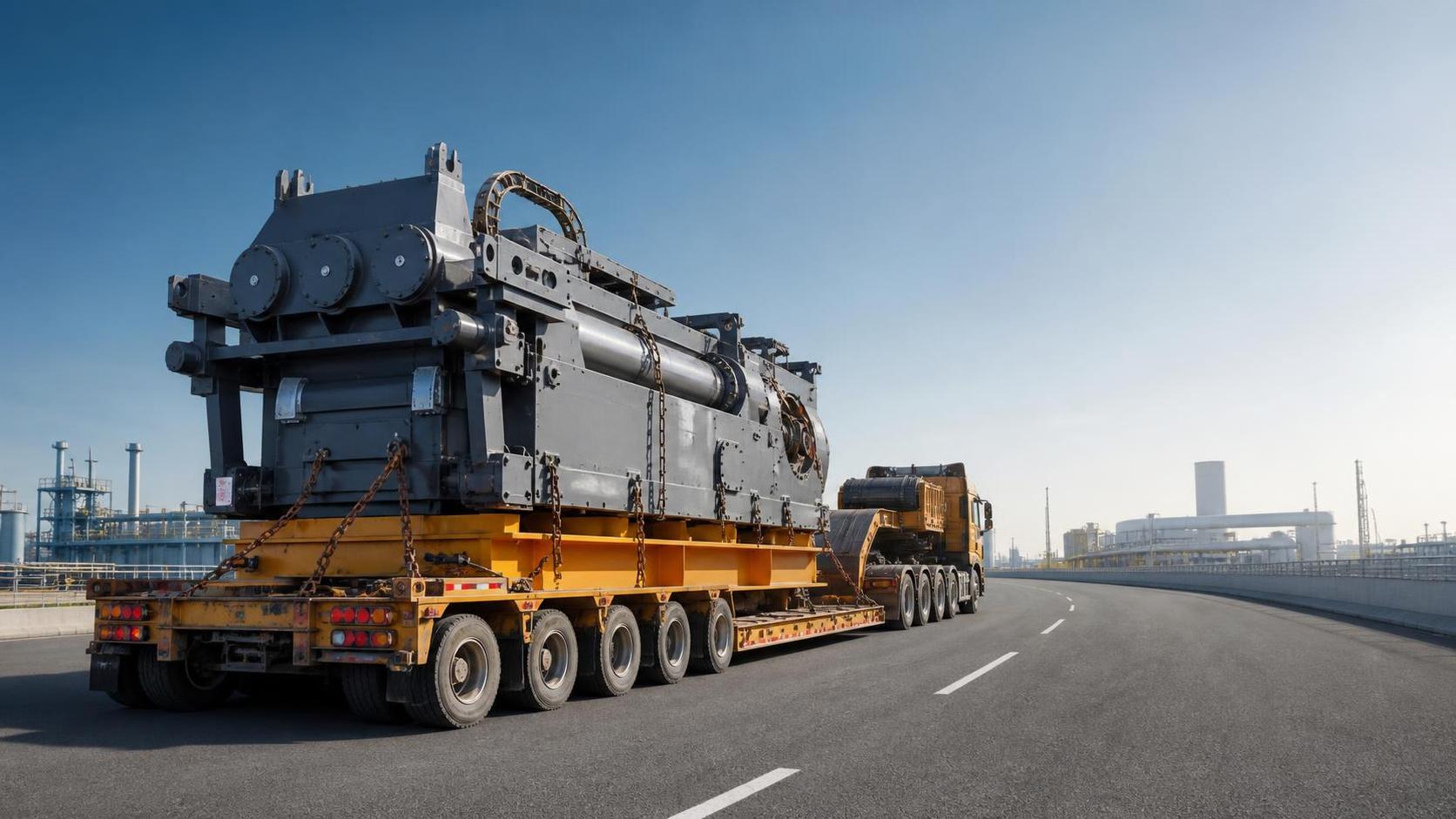
Selecting a Low Plate trailer is not just a capacity decision. For quality control and safety teams, the real question is whether the trailer can move oversize cargo with enough ground clearance, manageable loading height, and controlled route risk to prevent damage, delays, and compliance problems.
In practice, the best trailer is the one that matches cargo geometry, loading method, axle configuration, and road conditions without creating hidden hazards. This guide focuses on the checks that matter before dispatch, so you can evaluate a Low Plate trailer with operational confidence.
What Buyers Really Need to Confirm
When people search for Low Plate trailer selection, they usually want a practical answer: how low is low enough, and how much clearance is still safe on real roads? That is the right starting point.
A lower deck can improve cargo stability and reduce overall transport height, but it also increases exposure to road irregularities, ramps, and site obstacles. The goal is not the lowest possible deck; it is the lowest workable deck for the route and load.
For quality and safety teams, the decision should be based on three linked factors: ground clearance, loading height, and oversize cargo risk. Treat them as one system, because changing one often affects the others.
Ground Clearance: The First Safety Filter
Ground clearance determines whether the trailer can pass over uneven pavement, yard transitions, speed bumps, bridge approaches, and construction access points without contact or loss of control.
Too little clearance increases the chance of undercarriage strike, suspension stress, and trailer damage during low-speed movements. That risk becomes more serious when the route includes rural roads, temporary access surfaces, or sites with frequent grade changes.
Quality control teams should ask for the minimum clearance under full rated load, not just the empty value. A trailer may look acceptable on paper, but the real issue appears after payload compression and suspension settlement.
It is also important to review clearance together with tire size, suspension type, and axle placement. These elements affect stability, turning behavior, and how much margin remains when the cargo shifts under braking or uneven loading.
Loading Height and Transport Stability
Loading height affects both the center of gravity and the permitted overall transport height. A lower loading platform helps oversized cargo stay within legal height limits and usually improves stability during cornering and emergency braking.
However, the lowest deck is not always the most efficient choice. If loading height is too low for the cargo handling equipment, the team may need extra ramps, longer setup time, or more complicated loading procedures.
Safety managers should verify the height from ground to deck, from deck to cargo top, and from ground to the final transport envelope. This is especially important for machinery, transformers, tanks, and other tall loads where a few centimeters can decide compliance.
Also check whether the deck structure supports the loading method used in your operation. Forklifts, cranes, and roll-on loading each place different stress on the trailer, and a strong deck profile does not automatically mean safe handling.
Oversize Cargo Risk Starts Before the Route
Oversize cargo risk is often created before the trailer even leaves the yard. If clearance, height, and load distribution are not verified early, the shipment may face rerouting, permit problems, or damage claims later.
The main risks include side contact on narrow roads, overhead interference with bridges or cables, instability on curves, and excessive deck flex under concentrated loads. Each of these can be reduced by matching the trailer design to the cargo profile.
For quality control, the most useful approach is to compare cargo dimensions against the full transport envelope, not just the cargo itself. That means reviewing width, height, length, overhang, axle load, and turning clearance together.
Route surveys matter as much as equipment choice. A Low Plate trailer that works well on a planned industrial corridor may perform poorly on older roads, port terminals, or cross-border routes with inconsistent infrastructure.
How to Evaluate a Trailer Before Dispatch
Start with the cargo drawing and actual weight distribution. Confirm the heaviest point, the contact footprint, and whether the load needs a center-positioned deck or a special support frame.
Next, check the trailer’s rated capacity, deck length, axle configuration, suspension behavior, and braking performance. These specifications should match the real operating environment, not only the brochure data.
Then verify the loading process. Ask who loads the cargo, what lifting equipment is used, how the load is secured, and whether the tie-down points are positioned for the actual cargo shape. Poor securing practice can turn a good trailer into a liability.
Finally, test the route logic. Review slope, turning radius, road roughness, local clearance limits, and stopping points. A trailer choice is only complete when the route and handling plan are verified together.
What Quality and Safety Teams Should Put in the Checklist
A practical checklist should include the minimum loaded ground clearance, deck height, total transport height, axle load distribution, and cargo fastening method. These are the numbers that directly affect risk.
It should also include route conditions, loading equipment compatibility, and site access constraints. Many transport problems begin at the origin or destination gate, not on the main highway.
For oversize cargo, require a pre-dispatch review and photo record of the loaded condition. This gives the team a defensible baseline if vibration, contact, or shift damage is later reported.
Where the cargo is high-value or difficult to replace, add a margin policy. In other words, do not approve a trailer that only barely meets the minimum. Leave enough reserve for road variation, suspension movement, and operator error.
Choosing the Right Trailer for Stable Operations
The best Low Plate trailer is the one that protects the cargo, fits the route, and supports repeatable loading without forcing the team into risky workarounds. That is the standard most quality and safety teams should apply.
Ground clearance protects the underside, loading height controls the transport envelope, and route risk determines whether the plan works in the real world. When these three factors are reviewed together, dispatch decisions become more reliable.
For companies handling heavy-haul or oversize cargo regularly, the right trailer selection improves delivery consistency, reduces damage exposure, and supports compliance across more routes. That makes it a quality control decision as much as an equipment decision.
In short, do not choose a Low Plate trailer by deck height alone. Choose it by how well it manages clearance, loading, and route risk as one operating system.
Search Starts Here