
News
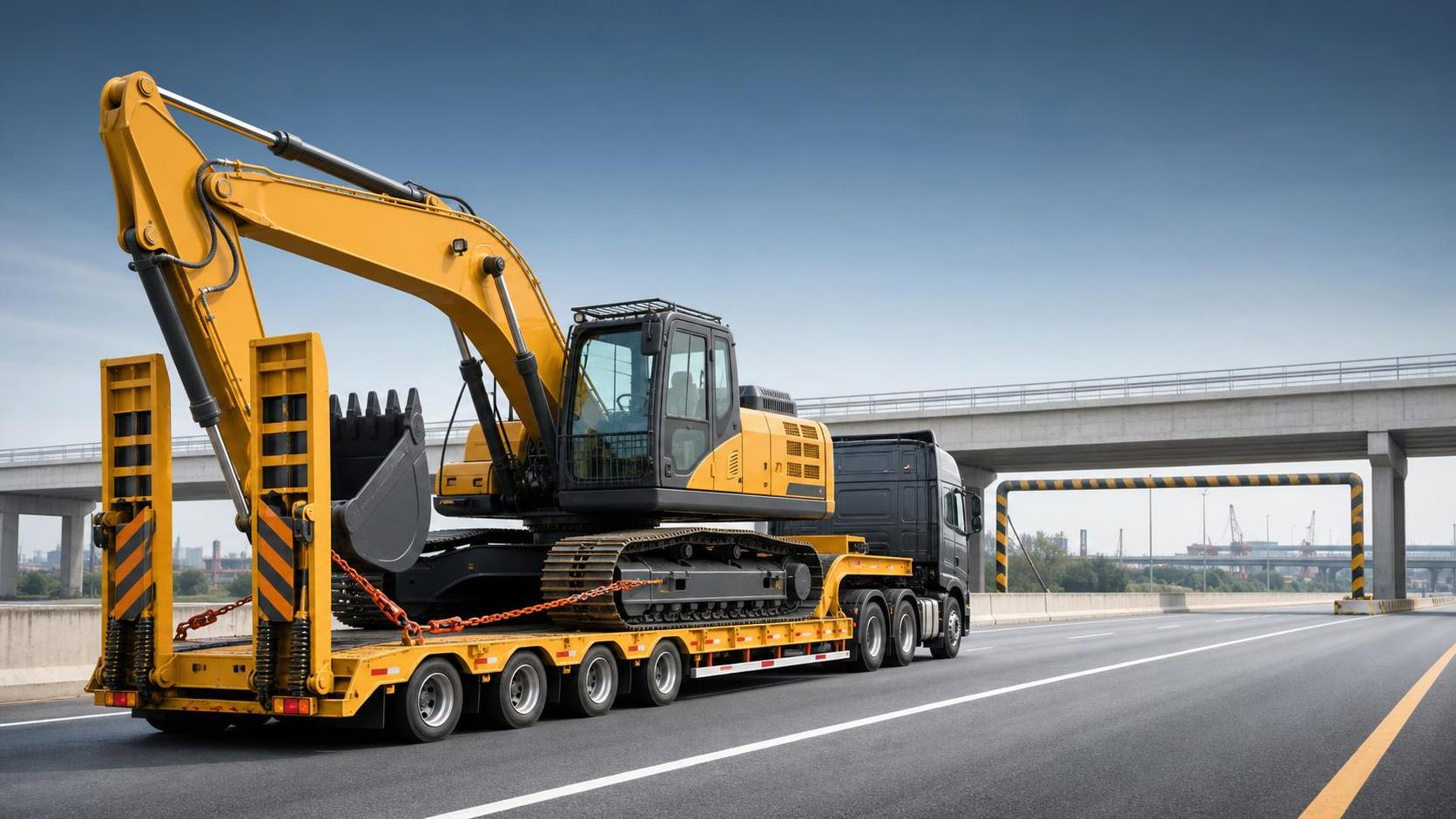
Why does Low Plate trailer height attract so much compliance attention?
Low Plate transport looks simple on paper, yet height control is rarely a minor detail. It affects road legality, bridge clearance, loading stability, and even insurance exposure.
In engineering vehicle logistics, a few centimeters can change route approval, escort needs, and whether a shipment moves on schedule. That is why height checks sit close to both quality review and road safety control.
The practical issue is that Low Plate height limits are never judged by the trailer deck alone. Authorities usually look at total vehicle height after loading, including tires, suspension behavior, cargo blocking, and tie-down effect.
For cross-border or multi-region projects, the challenge grows. Different markets apply different maximum heights, permit thresholds, and escort rules. A trailer that works in one corridor may become non-compliant in another.
This is also where experienced exporters add value. Companies handling FOTON, SHACMAN, and SINOTRUK units for overseas delivery often review transport dimensions early, because loading feasibility and document accuracy must match the actual road condition.
What counts as trailer height when people talk about Low Plate limits?
A common misunderstanding is to treat Low Plate height as deck height only. In compliance work, the more useful definition is overall loaded height from the road surface to the highest fixed point.
That highest point may be the machine cab, boom rest, exhaust stack, protective frame, or temporary packaging. Even a loose tarp frame can change the measured result.
In actual operations, three measurements matter together:
- Unladen Low Plate deck height.
- Loaded overall transport height.
- Dynamic height change after suspension compression.
The last point is often ignored. A heavy excavator or roller can compress suspension and alter axle balance. Sometimes the loaded height falls slightly, but deck angle and axle pressure become the real compliance concern.
More careful teams also verify the machine in transport posture. Folding mirrors, lowering booms, removing attachments, and reducing tire pressure where permitted can change the final Low Plate profile without changing the trailer itself.
A quick judgment table for Low Plate height review
Before route booking or permit application, this table helps separate a normal shipment from one needing extra review.
How do road rules usually define acceptable Low Plate height?
There is no single global number for Low Plate road compliance. Many jurisdictions use a standard overall vehicle height limit, while others allow exceptions through special permits.
A practical approach is to separate standard transport from over-dimension transport. If the loaded Low Plate unit stays within the general height limit, normal routing may be possible. If not, permit procedures usually begin.
Road agencies often review more than raw height:
- Bridge and tunnel clearances on the chosen route.
- Axle spacing and gross vehicle weight.
- Visibility, lighting, and warning marking.
- Escort vehicle requirements for special moves.
- Travel time windows, especially in urban areas.
This is why a compliant Low Plate on one route may still fail on another route with low overpasses. Height compliance is always route-specific, not only trailer-specific.
For exported engineering vehicles, document coordination matters as much as measurement. If invoice data, packing details, and permit values do not match, road inspections can turn into shipment delays.
When is a Low Plate trailer the right choice, and when is it not enough?
Low Plate trailers are chosen mainly to lower the center of gravity and reduce loaded height. They are well suited for excavators, loaders, rollers, and other engineering machines with tall structures.
Even so, choosing Low Plate equipment does not automatically solve every height issue. Some machines remain oversized because the equipment itself is too tall, not because the trailer deck is too high.
A better selection question is this: can the equipment reach legal transport height after proper preparation? If the answer is still no, permit transport or partial disassembly may be necessary.
This comparison helps during evaluation:
In international supply programs, this decision often starts during vehicle sourcing. Exporters with available stock and customization support can confirm deck options, tire configuration, and loading documents before dispatch begins.
What inspection points usually prevent Low Plate compliance failures?
Most failures come from routine omissions rather than unusual technical faults. The measurements are available, but they were taken too early, or without the final securing arrangement.
In practice, the stronger method is to inspect the transport set as a whole. That means trailer, machine, accessories, securing parts, and route paperwork should be checked together.
Points worth verifying before release
- Measure total Low Plate height after final lashing, not before.
- Confirm that removable parts are actually removed and recorded.
- Check tire condition and pressure consistency on trailer and cargo.
- Review suspension settling after the unit stands loaded for a short period.
- Verify route permits against real dimensions, not catalog dimensions.
- Photograph measured height points for traceability.
The photo record matters more than many teams expect. When customs, road officers, or overseas receivers question transport dimensions, a dated inspection set often resolves the issue quickly.
For shipments involving multiple commercial vehicle brands or varied machine bodies, a standardized checklist keeps measurements consistent across batches. That is especially useful when deliveries move through different ports and inland routes.
Which mistakes create hidden risk even when the Low Plate looks compliant?
One frequent mistake is relying on brochure dimensions. Published machine height often reflects parking condition, not transport condition. Attachments, protection frames, and shipping saddles can all change the number.
Another problem is checking legal height but ignoring lateral stability. A Low Plate setup may clear height rules while remaining poorly balanced, which increases rollover risk on ramps and uneven roads.
There is also a paperwork trap. If the exporter, hauler, and consignee use different dimension references, the same Low Plate load can be described three different ways across transport documents.
More careful organizations usually avoid these errors by setting a simple rule: one final measured value becomes the control value for permit filing, dispatch release, and receiving confirmation.
That discipline is especially relevant in integrated export work. When vehicle selection, customs paperwork, and logistics are handled together, dimension control becomes easier to trace and easier to defend.
So what is the practical next step when evaluating a Low Plate move?
Start with the loaded transport height, not the trailer brochure. Then compare that measured Low Plate figure with the actual route limit and permit threshold in the destination corridor.
If the margin is narrow, review whether machine posture, attachment removal, or a different deck setup can reduce total height safely. Small changes made early are usually cheaper than permit delays later.
It also helps to align sourcing, inspection, and logistics before shipment. Where supply, customization, documentation, and transport support are coordinated, dimension errors are less likely to travel downstream.
In short, Low Plate compliance is not just about owning a lower trailer. It is about measuring the complete transport condition, checking the route reality, and keeping every document tied to the same verified number.
That approach gives a firmer basis for route planning, safer handling, and cleaner delivery execution across domestic and export engineering vehicle operations.
Search Starts Here