
News
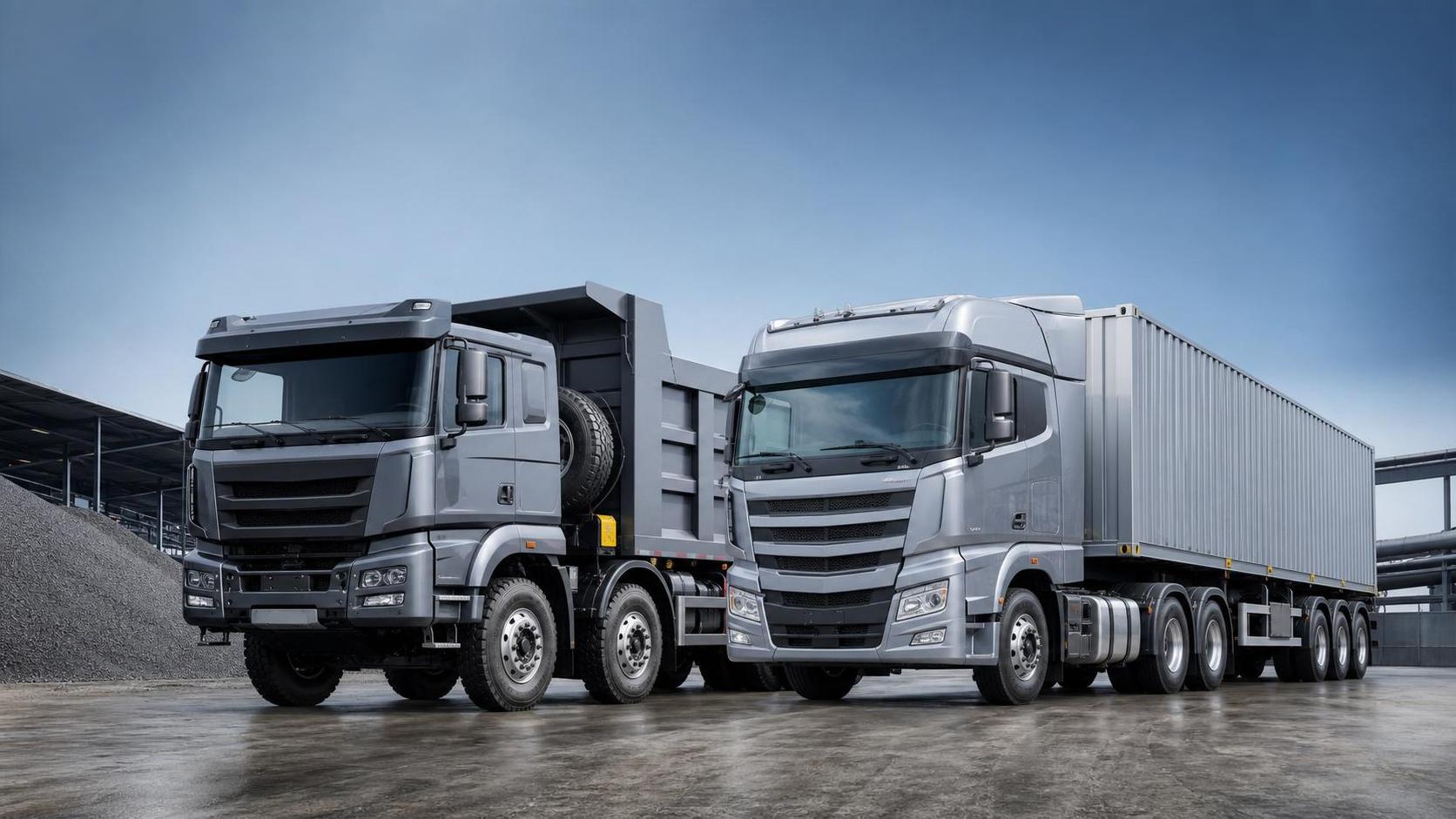
Cangshan Vehicle Configuration List: Key Specs That Affect Fleet Planning
For fleet buyers and business decision-makers, the Cangshan Vehicle Configuration List is more than a technical reference.
It is a working tool for cost control, route matching, and long-term capacity planning.
A vehicle may look competitive on price, yet become expensive once fuel use, tire wear, and downtime are added.
That is why the Cangshan Vehicle Configuration List deserves a closer reading before any fleet expansion decision.
From engine output to axle ratio, every line in the configuration sheet affects operating results in the field.
In practical fleet management, the right specification often matters more than buying the highest specification.
This article explains how to read the Cangshan Vehicle Configuration List and use it for smarter planning.
Why the Cangshan Vehicle Configuration List Matters
Many buyers focus first on purchase cost, delivery time, and visible body dimensions.
Those factors matter, but they do not show the full operating picture.
The Cangshan Vehicle Configuration List helps compare vehicles at a deeper technical level.
It clarifies whether a truck is designed for overload resistance, fuel savings, urban delivery, or long-distance haulage.
More importantly, it reduces the risk of buying vehicles that do not fit actual road, load, or climate conditions.
From recent market changes, a clearer signal is that transport demand is becoming more segmented.
That means one standard vehicle setup no longer works for every route or business model.
Engine and Powertrain: The First Planning Filter
When reading a Cangshan Vehicle Configuration List, engine data usually comes first for a reason.
Horsepower alone is not enough.
Torque, displacement, emission standard, and fuel type all shape real-world performance.
What to check first
- Rated power and peak torque for climbing, acceleration, and load response.
- Engine brand and service support availability in destination markets.
- Emission level compliance with local registration and operating rules.
- Fuel consumption data under standard and mixed operating conditions.
A high-power setup may improve cycle time, but it can also raise fuel cost and maintenance spending.
On flat regional routes, moderate power with strong torque can be a better business choice.
So the Cangshan Vehicle Configuration List should be matched to route profile, not just performance preference.
Axle Layout, Wheelbase, and Chassis Strength
Another core part of the Cangshan Vehicle Configuration List is the chassis section.
This area often decides whether the vehicle stays productive over several operating years.
Axle arrangement affects payload distribution, turning ability, tire life, and legal road compliance.
A 4x2 layout may work well for lighter loads and urban routes.
A 6x4 or 8x4 setup is usually better for construction materials, mining support, or heavy regional transport.
Wheelbase also matters more than many buyers expect.
A longer wheelbase can improve straight-line stability and cargo body space.
At the same time, it may reduce maneuverability on narrow roads or crowded job sites.
The Cangshan Vehicle Configuration List should therefore be checked against turning radius, road access, and body requirements together.
Payload Capacity and Body Matching
Payload figures are often the most attractive numbers on any specification sheet.
Still, those figures need careful interpretation.
The Cangshan Vehicle Configuration List should show gross vehicle weight, curb weight, and rated payload clearly.
A higher nominal payload does not always mean higher transport efficiency.
If loading time, road restrictions, or material density limit each trip, excess capacity may sit unused.
Common matching mistakes
- Choosing a dump body too large for the axle rating.
- Ignoring legal gross weight limits in export markets.
- Selecting cargo volume without checking material density.
- Using the same body design for very different route conditions.
In daily operations, body design and payload specification must work as one system.
That is where the Cangshan Vehicle Configuration List becomes a planning document, not just a catalog page.
Fuel Economy, Transmission, and Lifetime Cost
For most fleets, operating cost matters more than initial purchase price after the first year.
This is why the Cangshan Vehicle Configuration List should always be reviewed with total cost in mind.
Transmission type, gear ratio, and engine calibration directly affect fuel use.
A well-matched gearbox keeps the engine in an efficient speed range for longer periods.
That lowers consumption and can reduce wear on the driveline.
In actual business operations, small specification differences can create large annual cost gaps.
That is another reason the Cangshan Vehicle Configuration List should be reviewed line by line, not scanned quickly.
Braking, Suspension, and Safety Readiness
Safety-related specifications often receive less attention during procurement, yet they strongly affect uptime.
The Cangshan Vehicle Configuration List should show brake type, suspension structure, and control features clearly.
Air brakes, ABS, retarder options, and reinforced leaf spring systems all matter in demanding transport conditions.
For construction and engineering vehicles, rough roads increase stress on suspension and steering components.
A specification that looks acceptable on paper may perform poorly under repeated overload cycles or steep descent routes.
So a complete Cangshan Vehicle Configuration List review should include real operating risks, not just legal minimum standards.
How to Use the Cangshan Vehicle Configuration List in Procurement
The best way to use the Cangshan Vehicle Configuration List is to connect specifications with operating scenarios.
That process is simple, but it needs discipline.
- List route types, average load, road quality, and annual mileage.
- Shortlist vehicles by axle layout, payload class, and engine range.
- Compare the Cangshan Vehicle Configuration List against local compliance requirements.
- Estimate fuel, maintenance, and tire cost over the planned service cycle.
- Confirm spare parts access, service response, and delivery reliability.
This approach helps avoid buying vehicles that are technically impressive but commercially inefficient.
It also supports clearer communication between procurement, operations, and maintenance teams.
When specification review is structured, the Cangshan Vehicle Configuration List becomes part of a repeatable fleet planning method.
A Practical Supplier Perspective
Specification analysis is most useful when backed by stable supply and export execution.
Shandong Livol Truck International Trade Co., Ltd. supports this process with practical industry resources.
Based in Shandong, China, the company is a professional commercial vehicle exporter with strong trade experience.
It is the official authorized domestic and overseas dealer for FOTON, SHACMAN, and SINOTRUK.
A broad network of authorized 4S stores and sufficient vehicle inventory supports stable supply and faster delivery.
Its export team also handles vehicle selection, customization, documentation, customs clearance, and logistics coordination.
That matters because the value of a Cangshan Vehicle Configuration List depends on how accurately it is translated into delivered vehicles.
Final Takeaway
The Cangshan Vehicle Configuration List should be treated as a decision tool, not a technical formality.
It helps connect engine choice, axle layout, payload class, safety setup, and lifetime cost into one clear planning view.
When used properly, it reduces procurement risk and improves long-term fleet efficiency.
Before placing an order, review the Cangshan Vehicle Configuration List against actual routes, legal limits, and maintenance capacity.
That final check often makes the difference between a good purchase and a durable fleet strategy.
Search Starts Here