
News
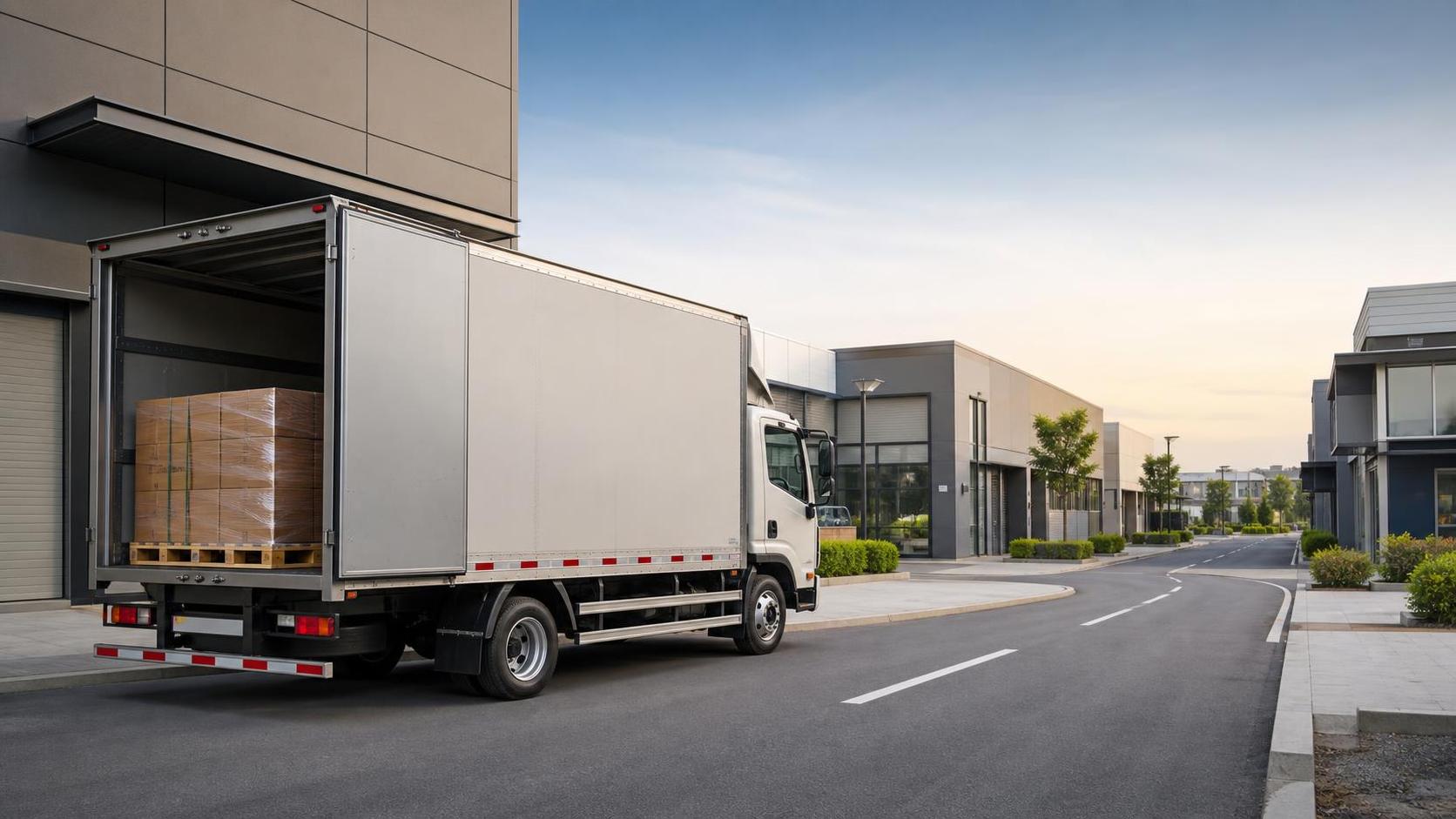
Is a 4x2 Cargo Truck Suitable for Urban Delivery Routes?
For many distribution businesses, the question is not whether a 4x2 cargo truck can operate in a city. It usually can. The harder question is whether it is the most economical and workable vehicle for the specific mix of routes, freight, delivery windows, and local restrictions involved.
A 4x2 Cargo Truck often sits in a practical middle ground. It normally provides more payload capacity and body flexibility than a light van, while remaining easier to maneuver and less costly to operate than a larger multi-axle truck. For retailers, wholesalers, e-commerce operators, food distributors, construction-material suppliers, and service contractors, that balance can be attractive. Yet the same vehicle that performs well on a suburban distribution run may be a poor fit for a dense city center with strict weight limits, narrow loading bays, or frequent stop-start traffic.
The decision should therefore begin with route reality rather than a payload figure on a brochure. A truck is suitable for urban delivery only when its dimensions, axle loading, cargo body, drivetrain, and operating model fit the streets where it will work every day.
What “4x2” Means in a Delivery Decision
In commercial vehicle terminology, 4x2 generally means the truck has two axles and four wheel positions, with one driven axle. In a conventional cargo-truck layout, the rear axle provides traction and the front axle steers. This is the familiar configuration for many medium-duty distribution trucks because it is mechanically straightforward, comparatively light, and well suited to paved roads.
That definition alone does not tell a buyer enough. A 4x2 chassis can be configured in very different ways depending on the manufacturer, wheelbase, cab design, gross vehicle weight rating, suspension, tire specification, and body type. Two trucks described as 4x2 may have very different turning circles, floor heights, usable body lengths, and payload potential. For city logistics, these differences are often more important than the axle formula itself.
Decision-makers should also avoid assuming that a 4x2 is automatically a “small truck.” In some markets, a 4x2 rigid truck can be a substantial vehicle. It may still be restricted from certain streets, time windows, bridges, underground loading areas, or central business districts. Local legal limits and access rules must be checked before selecting the chassis and body.
Where a 4x2 Cargo Truck Usually Makes Sense
A 4x2 Cargo Truck is commonly a sensible choice where delivery points are spread across urban and suburban areas, goods are too bulky for vans, and route distances make frequent reloading inefficient. It works particularly well when a business needs one vehicle to cover several operational demands: collecting goods from a warehouse, traveling on arterial roads, and making deliveries to stores, workshops, job sites, or neighborhood distribution points.
Typical suitable operations include palletized consumer goods, packaged food and beverages, spare parts, household appliances, furniture, building supplies, and general wholesale distribution. A box body can protect dry goods, a curtain-side body can speed up side loading, and a dropside or stake body may suit materials that need forklift access. Refrigerated, insulated, liftgate-equipped, and specialized service bodies are also possible, although each additional feature affects tare weight, cost, and usable payload.
The truck is often most efficient when loads are consolidated. If a vehicle leaves a depot with a well-planned load, serves multiple stops in one zone, and returns with reusable packaging or collected goods, the larger capacity of a rigid 4x2 truck can reduce the number of trips required. On the other hand, if deliveries are small, dispersed, and highly time-sensitive, a fleet of lighter vehicles may offer better route flexibility.
The Urban Constraints That Can Change the Answer
Urban delivery is defined by constraints that are easy to underestimate during vehicle selection. The most visible issue is physical access. Tight intersections, low overhead structures, crowded curbside spaces, ramps, and limited reversing room can turn an otherwise capable truck into an operational problem. Body length matters, but so do cab-over design, wheelbase, front overhang, rear overhang, and steering geometry.
Loading access deserves equal attention. A distribution truck may fit on the road but fail at the customer site if the dock height is incompatible, the receiving area cannot accept its turning path, or the unloading method requires equipment that is not available. Businesses delivering to independent shops, older industrial premises, and city-center properties should map actual delivery points rather than relying only on general road classifications.
Traffic restrictions can be just as decisive. Cities may apply rules based on gross vehicle weight, axle load, emissions category, time of day, vehicle length, or commercial access permits. These rules vary widely and can change. A truck specification that is acceptable in one municipality may limit service coverage in another. Before ordering, fleets should confirm the applicable requirements with relevant local authorities, customers, or transport compliance advisers.
Congestion adds another layer. Stop-start operation raises fuel use and puts more demand on brakes, clutch components in manual vehicles, cooling systems, and driver concentration. For routes with frequent short stops, an automated manual transmission or automatic transmission may be worth evaluating, not as a luxury feature but as an operational tool. The right choice depends on available service support, driver preferences, terrain, and total ownership cost.
Payload Is Important, but Volume Can Be the Real Limitation
Many truck purchases begin with a target payload. That is necessary, but urban distribution loads are frequently volume-limited before they are weight-limited. Cartons of paper products, furniture, packaged consumer goods, and some e-commerce shipments can fill a body long before the truck reaches its legal mass limit. In those cases, a longer or taller body may be useful, provided it remains compatible with access restrictions and vehicle stability requirements.
Conversely, dense freight such as beverages, metal components, tiles, machinery parts, or construction materials can reach axle or gross-weight limits quickly. Loading patterns matter. A load that is legal in total may still create an axle-load problem if too much weight sits toward the front or rear of the body. This is especially relevant when fitting a tail lift, refrigeration equipment, cranes, or other equipment that adds weight behind the rear axle.
The most useful pre-purchase exercise is to review several weeks of real dispatch data: shipment weights, cubic volume, number of stops, loading method, return loads, route mileage, and missed-delivery causes. A single “average payload” can hide the operational peaks that actually determine the vehicle requirement.
Questions worth answering before finalizing the body
- What is the heaviest realistic load, including pallets, securing equipment, and body accessories?
- What is the largest cubic load, and does it need internal racking, temperature control, or separate compartments?
- Can deliveries be unloaded from the rear only, or is side access needed?
- Are forklifts, docks, pallet jacks, or tail lifts available at most receiving points?
- Will the truck regularly enter roads with low clearance, restricted width, or limited turning space?
- Does the route include poor surfaces, steep ramps, or construction sites where rear-wheel traction needs closer review?
Comparing the 4x2 Option with Alternatives
The right comparison is rarely between one truck and another truck alone. It is usually between a 4x2 rigid vehicle, smaller delivery vehicles, and sometimes a larger truck that can serve fewer but higher-volume runs.
A 4x2 solution is often strongest when it is assigned to the routes it can perform well, rather than being expected to cover every delivery situation. Some fleets use a mixed model: larger rigid trucks replenish local hubs or high-volume customers, while smaller vehicles handle the final dense-mile segment. This can add coordination complexity, but it may improve service reliability where city access is limited.
Specification Choices That Affect Daily Economics
Urban trucks spend a great deal of time not cruising: idling in queues, pulling away from stops, reversing into bays, and waiting during unloading. The best specification is therefore not automatically the one with the highest rated power or the lowest purchase price. Engine output and torque should suit the expected load, terrain, and road speeds. An oversized powertrain may add upfront cost and fuel consumption, while an underspecified one can make loaded urban driving tiring and inefficient.
Cab design affects more than driver comfort. Good visibility, practical mirrors or camera systems where permitted, easy cab entry, effective air conditioning, and useful storage can reduce fatigue on multi-stop routes. Safety-related equipment should be selected with reference to local regulations and fleet risk assessments, rather than treated as a generic option list.
Suspension and tire choices should reflect the roads the truck will actually encounter. A vehicle running between smooth urban arterials and rough warehouse yards may need a different setup from one serving mostly paved retail routes. Likewise, a body must be engineered as part of the vehicle, not added as an afterthought. Its dimensions, mounting method, tail lift, internal fittings, and center-of-gravity implications should be reviewed against the chassis specification and legal limits.
Procurement Should Include Service and Export Readiness
For an overseas buyer, the vehicle decision extends beyond the chassis. Documentation, destination-market requirements, body installation, spare-parts planning, shipping arrangements, and after-sales support can affect when the truck becomes productive. A low initial vehicle price offers little advantage if the delivered configuration cannot be registered, serviced, or operated as intended.
This is where an experienced commercial vehicle exporter can add practical value. Shandong Livol Truck International Trade Co., Ltd. operates from Shandong, China, as an authorized domestic and overseas dealer for FOTON, SHACMAN, and SINOTRUK. Its authorized 4S store network and inventory resources can support stable sourcing, while its export team can coordinate vehicle selection, customization, documentation, customs clearance, and logistics. For a city-delivery project, the useful discussion is not simply which brand is available; it is whether a particular chassis-body combination suits the destination route and support plan.
Before shipment, buyers should request a clear specification review covering the intended cargo body, estimated curb weight after conversion, axle-load implications, local compliance documentation, required spare parts, and service arrangements in the operating market. These are ordinary procurement controls, but they prevent expensive misunderstandings later.
A Practical Conclusion
A 4x2 Cargo Truck is often a strong urban delivery vehicle when freight volumes exceed van capacity but routes still require regular access to commercial districts, local warehouses, and customer sites. Its value comes from balance: useful payload, adaptable body options, relatively straightforward operation, and better maneuverability than larger truck configurations.
It is not automatically the correct answer for every city route. The deciding factors are the real dimensions of delivery sites, local access rules, load density, unloading method, body weight, and the cost of completing each route reliably. Businesses that test the proposed vehicle against actual dispatch records and delivery locations are far less likely to buy either too much truck or too little. The right 4x2 specification should emerge from that operational evidence, not from axle configuration alone.
Search Starts Here