
News
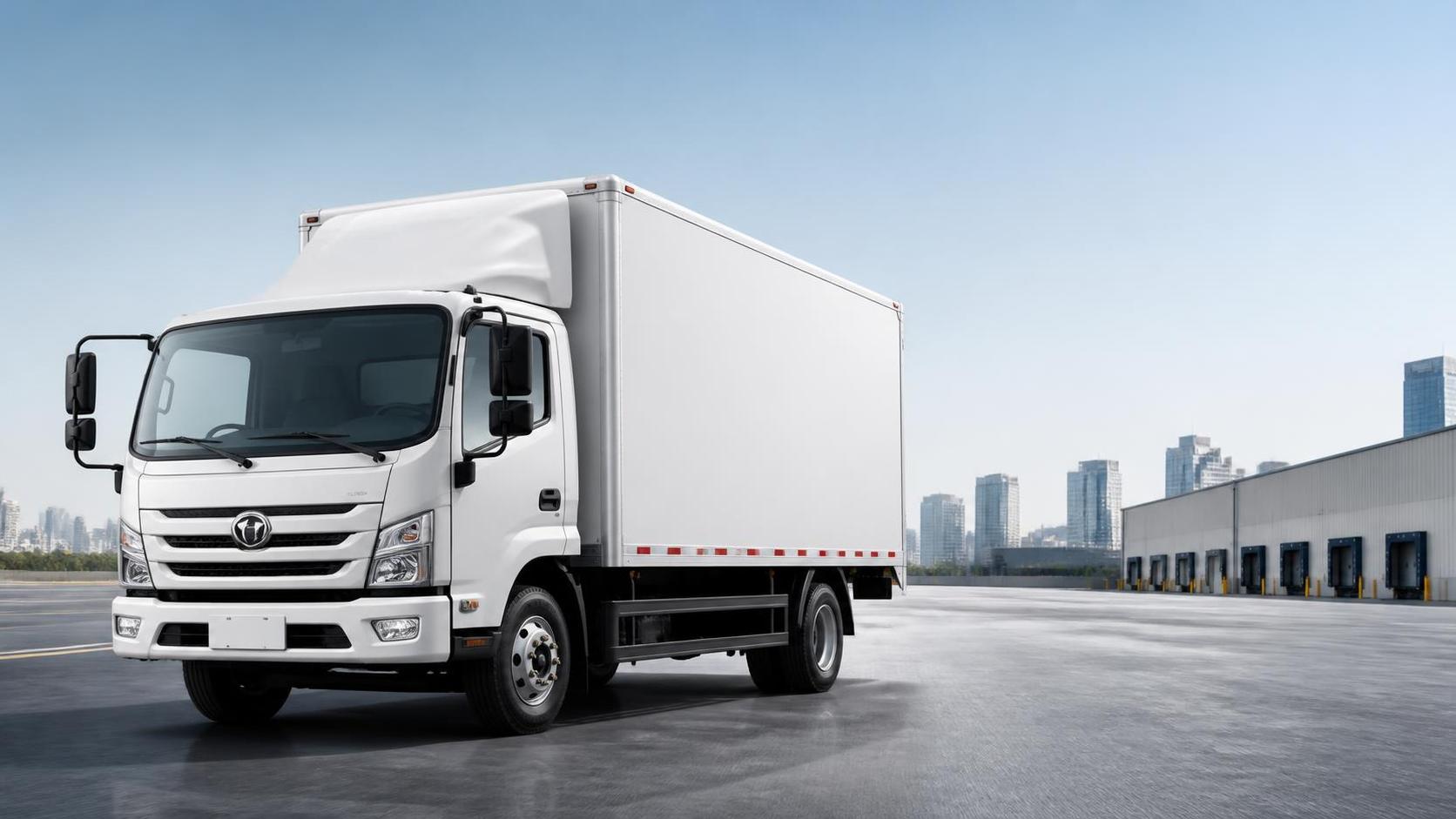
When a 4×2 Cargo Truck Makes Sense—and When It Doesn’t
For many fleets, a 4×2 cargo truck sits in the practical middle ground. It is usually more capable than a light van or pickup-based delivery vehicle, but less expensive and easier to run than a larger multi-axle truck. That sounds straightforward on paper. In actual procurement, though, the right answer depends less on the label “4×2” and more on route profile, body configuration, loading discipline, city restrictions, and how often the truck is expected to leave urban roads for regional runs.
A lot of buyers start with payload and price, which is understandable. But with urban delivery and short-to-medium regional transport, maneuverability, loading height, turning radius, axle load compliance, and service support often matter just as much. A truck that looks economical at purchase can become inconvenient very quickly if it is too long for city streets, too lightly specified for repeated regional work, or too specialized for mixed cargo demands.
That is where the 4×2 cargo truck usually earns attention. In simple terms, it refers to a two-axle truck with one driven axle. In commercial use, this layout is widely chosen for box bodies, stake bodies, curtain-side bodies, refrigerated bodies, and general cargo applications. It is common because it balances usable cargo space with relatively simple driveline design and lower operating complexity than heavier axle configurations.
Urban delivery: the 4×2’s strongest use case
If your daily operation includes supermarkets, retail replenishment, parcel distribution, FMCG delivery, construction materials for city jobsites, or scheduled B2B drop-offs, a 4×2 cargo truck is often a very reasonable fit. Not because it does everything, but because it handles the compromises better than many alternatives.
In dense urban environments, the truck needs to enter side streets, back into loading bays, stop frequently, and keep moving through traffic without becoming an oversized asset. A larger 6×4 or 8×4 truck may carry more, but that extra capacity is wasted if the vehicle cannot access delivery points efficiently or if local restrictions limit entry by size, gross weight, or time window. On the other hand, a smaller vehicle may need too many trips, driving up labor hours, fuel use, and dispatch complexity.
The 4×2 tends to work well when deliveries are regular, route planning is relatively tight, and the cargo is substantial enough to justify a truck body rather than a van. Buyers who operate in cities with narrow roads or mixed commercial-residential districts usually pay close attention to wheelbase and body length. A longer body may improve volume, but if it hurts turning performance or docking convenience, the fleet can lose more in time than it gains in cubic capacity.
This is also where body type matters. For example, a box truck improves cargo protection and security, while a stake or dropside body can be more practical for mixed loading methods. Refrigerated urban distribution is another category entirely, because the chassis must support not only payload but also the weight and power demands of the reefer body. The same 4×2 label can describe very different real-world performance once the body and duty cycle are defined.
Regional loads: suitable, but only within the right duty band
A 4×2 cargo truck can also be a good option for regional transport, especially where distances are moderate and the route mix is mostly paved roads, industrial access roads, and highway connectors. This is common in food distribution, wholesale cargo movement, spare parts supply, agricultural inputs, and factory-to-dealer transport.
Still, regional work exposes the truck to a different kind of pressure. Urban delivery is stop-and-go and access-sensitive. Regional transport adds sustained cruising, more variable road surfaces, and a higher penalty for downtime. In these conditions, the purchasing question shifts from “Can it carry today’s cargo?” to “Can it do this route pattern every week without becoming maintenance-heavy or underpowered?”
If loads regularly approach the upper legal or practical limit for the chosen chassis, or if roads include steep grades, poor surfaces, or long-distance daily operation, some buyers eventually find that a heavier platform would have been the safer decision. This is especially true where overloading is common in the market. A truck should not be selected based on the assumption that it will routinely exceed its intended operating range. That may reduce service life and create compliance issues, depending on local enforcement.
What procurement teams should evaluate beyond the headline price
The usual mistake is to compare quotations without normalizing specifications. Two 4×2 cargo trucks may look similar in a tender table and behave very differently in operation. Before comparing suppliers, it helps to lock down the actual working profile:
- Average payload, not just maximum occasional load
- Typical cargo density and volume requirement
- Urban-to-regional route ratio
- Road quality, gradients, and stop frequency
- Loading method: forklift, manual, side loading, rear dock loading
- Local legal limits for dimensions, emissions, and axle loads
- Service access, parts availability, and expected downtime cost
Engine output and transmission matching should be reviewed in context, not isolation. For a truck that mostly runs in city traffic with moderate loads, a buyer may prioritize fuel economy and drivability over headline horsepower. For regional operation with longer road sections and loaded climbs, under-specifying the powertrain may save money initially but create slower trip times and higher driver fatigue. Suspension specification, tire selection, brake configuration, and frame suitability also deserve attention, especially if the truck will carry uneven or shifting cargo.
A simple way to judge fit
This kind of practical screening is more useful than asking whether a 4×2 truck is “good” in general. It may be the best choice for one route and the wrong choice for another route in the same company.
Common buying mistakes
One recurring issue is buying around the peak load instead of the normal load. If a truck is oversized for 80% of its daily work, the fleet ends up paying for unused capability. Another is assuming every cargo body can be moved from one chassis concept to another without compromise. In reality, body weight distribution, center of gravity, and legal dimension limits can materially affect usability.
There is also a procurement habit of treating export supply as a separate question from vehicle suitability. It shouldn’t be. For international buyers, after-sales support, parts continuity, pre-shipment inspection discipline, and documentation accuracy are part of the truck selection decision. A truck that fits the route but arrives with specification mismatches, incomplete export paperwork, or uncertain spare parts support is not a low-risk purchase.
Why supplier capability matters more than many buyers expect
This is where an experienced commercial vehicle exporter can make the selection process much cleaner. Companies such as Shandong Livol Truck International Trade, which work with established Chinese commercial vehicle brands including FOTON, SHACMAN and SINOTRUK, are in a better position to help buyers compare platform options against actual operating needs rather than just circulate catalog pages. That matters because commercial trucks are rarely bought as standard shelf items in export business. They often involve body selection, wheelbase matching, configuration review, and market-specific documentation.
Livol’s role is relevant not simply because it has vehicle resources, but because integrated export handling reduces friction in the middle of the purchasing process: confirming available stock, aligning specification details, arranging customization where needed, and managing customs and logistics steps that can otherwise slow projects down. For procurement teams buying across borders, that full-process support is often as important as unit price. A delayed or incorrectly configured truck affects operations far more than a small difference in quotation.
This does not remove the buyer’s responsibility to define the duty cycle clearly. It does, however, improve the odds of getting a truck that actually matches the work.
So, is a 4×2 cargo truck the right choice?
In many urban delivery and moderate regional applications, yes. A 4×2 cargo truck is often the sensible choice when the operation needs a practical mix of payload, maneuverability, operating economy, and body flexibility. It is especially suitable where access conditions are tight, trip frequency is high, and the business wants to avoid stepping into a heavier truck class without a real operational reason.
But it stops being the right answer when buyers expect it to behave like a heavier regional hauler, tolerate routine overloading, or cover highly variable duties without careful specification. The smarter approach is to define the route, load, body, and compliance envelope first, then evaluate the chassis. If those basics are clear, the 4×2 category is often easier to judge than many people think. If they are not clear, even a well-known truck brand will not solve the mismatch.
A short technical review before ordering—covering payload reality, body type, road conditions, and support plan—usually saves more trouble than trying to fix a poor selection after delivery.
Search Starts Here